Baby Visa Photo for Religious Head Coverings
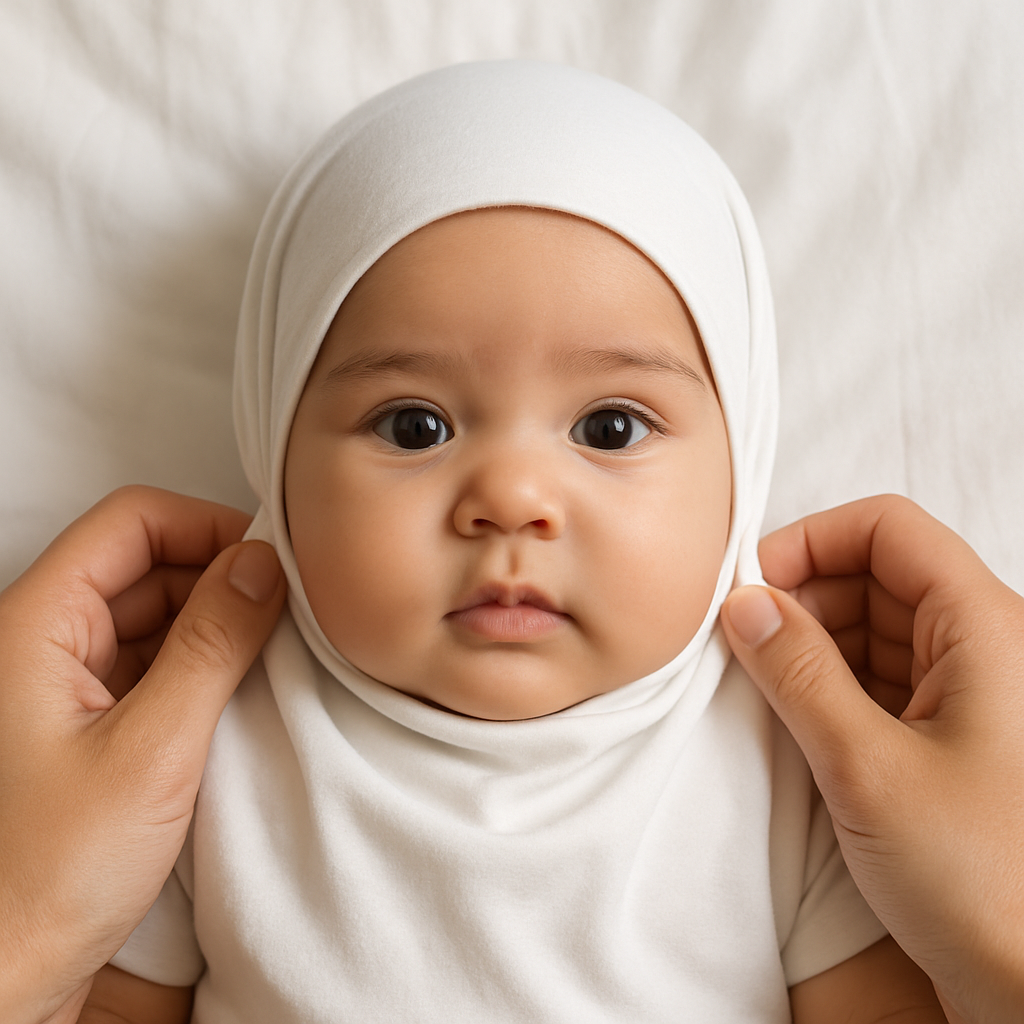
Getting a baby visa photo is already a tiny adventure. Add religious head coverings into the mix, and suddenly it feels like decoding a secret rulebook no one handed out.
Parents want to honor their faith. Authorities want a compliant photo. The baby? The baby just wants a nap.
So how do families balance religious beliefs with strict visa photo requirements? It’s not as complicated as it sounds - but it does require knowing the fine print.
Understanding Baby Visa Photo Requirements
Most countries follow similar biometric photo standards for visa applications. The purpose is simple: clear identification. That means:
- The baby’s full face must be visible
- No shadows covering facial features
- Neutral background, usually white or off-white
- Eyes open and visible
- No glare, no heavy shadows, no obstructions
Sounds straightforward, right?
Now here’s where it gets nuanced. When religious head coverings enter the picture, governments don’t automatically reject them. In fact, most countries explicitly allow them - with conditions.
Are Religious Head Coverings Allowed in Baby Visa Photos?
Short answer? Yes. In most cases, religious head coverings are permitted for infants and adults alike.
Longer answer? They must not obscure facial features.
Immigration authorities typically allow religious garments such as:
- Hijabs
- Yarmulkes
- Patkas
- Headscarves worn for faith reasons
But the baby’s:
- Forehead
- Chin
- Cheeks
must be fully visible from edge to edge.
If the covering casts shadows or hides part of the face, the photo will likely be rejected. And nobody wants delays when travel plans are on the line.
Why Authorities Are Strict - And Why It Makes Sense
Here’s a hot take: the rules aren’t about policing faith. They’re about identification accuracy.
Biometric systems measure facial geometry. Think of it like facial mapping - distances between eyes, shape of jawline, symmetry of features. Even tiny obstructions can interfere with that digital reading.
Imagine trying to unlock your phone with half your face covered. Frustrating, right? Border systems work the same way.
Clarity equals speed. Speed equals smoother travel.
Special Considerations for Infant Visa Photos
Babies are unpredictable. That’s putting it mildly.
They wiggle. They blink. They slump. Sometimes they look deeply offended for no clear reason.
When adding a religious head covering, parents need to pay attention to a few extra details.
1. No Extra Accessories
The head covering should be simple. No decorative pins covering the forehead. No bulky folds near the cheeks. Clean and minimal works best.
2. No Shadowing
Fabric that hangs too low can create subtle shadows under the eyes. Even soft shadows can cause rejection. Good lighting solves most of this problem.
3. Secure but Comfortable Fit
If the covering constantly slips, the photo session becomes chaos. It should sit naturally without squeezing or distorting the baby’s face.
4. Background Contrast
If the fabric is white and the background is white, the edges can blend. Authorities need contrast to distinguish head shape clearly.
Little detail. Big difference.
Common Reasons Baby Visa Photos Get Rejected
Even when families follow religious guidelines carefully, technical mistakes can still happen. The most common issues include:
- Fabric covering eyebrows
- Shadows under the chin
- Baby looking downward
- Mouth wide open in mid-cry
- Blurry image due to movement
Have you ever tried photographing a newborn who refuses to cooperate? Exactly.
That’s why preparation matters more than perfection.
How to Take a Compliant Baby Visa Photo at Home
Professional studios can help, but many parents prefer taking the picture themselves. It’s convenient. It’s faster. Sometimes it’s the only realistic option.
Here’s a practical approach that works.
Step 1 - Choose the Right Time
A well-fed, rested baby is far more cooperative. Not guaranteed. But far more likely.
Step 2 - Lay Baby Flat
Place the infant on a plain white sheet. Ensure the religious head covering is properly positioned before snapping photos.
Step 3 - Use Natural Light
Stand near a window. Avoid direct sunlight. Soft daylight reduces harsh shadows dramatically.
Step 4 - Take Multiple Shots
Don’t rely on one image. Take twenty. Or thirty. Digital storage is cheap. Rejected applications are not.
Step 5 - Check Guidelines Before Submitting
Each country has specific dimensions and cropping rules. Double-check them. Then double-check again.
Or better yet, use a specialized service that understands infant and religious requirements.
Using an Online Baby Visa Photo Service
This is where technology really shines.
Instead of guessing whether the head covering meets regulations, parents can use a professional tool like BabyPassportMaker.com. The platform is designed specifically for infant passport and visa images.
It automatically:
- Adjusts background to meet official standards
- Checks head positioning
- Ensures proper sizing
- Optimizes lighting digitally
Honestly, that kind of assistance removes a huge layer of stress.
Because nothing stalls travel plans faster than a rejected baby visa photo.
Country-Specific Differences to Keep in Mind
While many nations share biometric standards, small differences exist.
- The United States allows religious head coverings as long as facial features remain visible.
- The United Kingdom follows similar visibility rules.
- Schengen countries typically require full face exposure with no shadows.
Some embassies may request a signed statement confirming the head covering is worn for religious reasons. Not always - but occasionally.
It’s wise to check the specific consulate website before submitting anything.
What About Newborns?
Newborn visa photos have slightly relaxed standards regarding facial expression. A perfectly neutral look isn’t mandatory. That’s a relief.
However, the face must still be:
- Fully visible
- Centered
- Unobstructed by fabric
If the baby’s eyes are partially closed due to age, most authorities show flexibility. Still, visibility remains key.
Balancing Faith and Formality
Some parents quietly worry - will including a religious head covering complicate approval?
In general, no.
Immigration systems in many countries are structured to respect religious expression. The requirements are technical, not ideological.
Think of it like airport security. Shoes off. Liquids separated. It’s procedural, not personal.
When guidelines are followed carefully, religious head coverings do not automatically create barriers.
Quick Checklist Before Submission
Before uploading or printing the photo, review this fast checklist:
- Is the entire face visible from chin to forehead?
- Are there zero shadows across facial features?
- Is the background clean and uniform?
- Is the head covering neat and non-obstructive?
- Are the image dimensions correct for the destination country?
If every answer is yes, the chances of approval increase dramatically.
Final Thoughts on Baby Visa Photos with Religious Head Coverings
Travel documents for infants can feel overwhelming. Add cultural considerations and technical standards, and it may seem like walking a tightrope.
But here’s the reassuring truth: religious head coverings are widely accepted in baby visa photos when done correctly.
Clear face. Proper lighting. Correct sizing. That’s the formula.
Preparation turns stress into confidence. And confidence makes the whole process smoother.
After all, the goal isn’t just a compliant photograph. It’s a seamless journey ahead.
And that journey? It starts with one small - perfectly aligned - photo.