Schengen Visa Photo for Infants Requirements
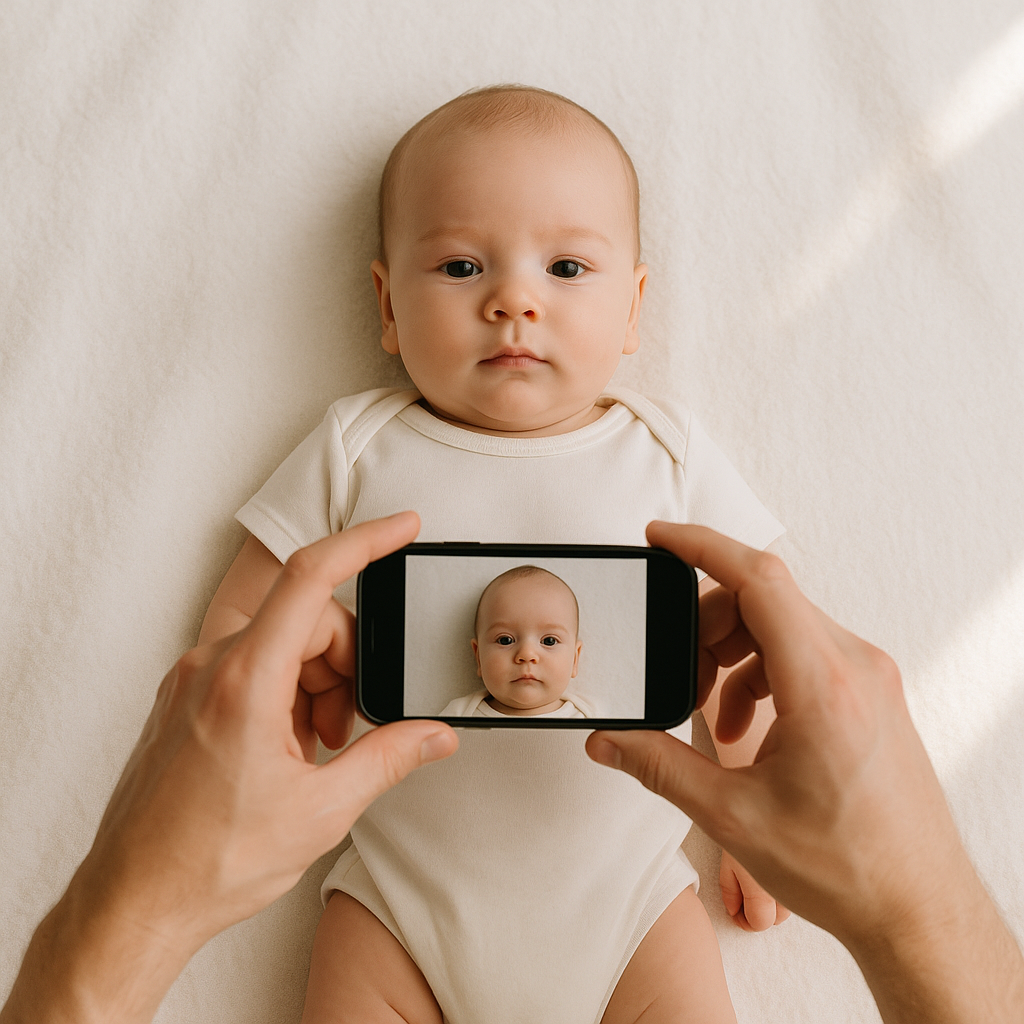
Applying for a Schengen visa is stressful enough. Add a baby to the mix, and suddenly a simple photo requirement feels like rocket science. Tiny humans. Big rules. Zero room for error. Parents often assume infant visa photos are relaxed or flexible. After all, how strict can officials be about a six-month-old who can’t even sit upright yet? Here’s the truth - the rules are just as serious for babies as they are for adults. If anything, they’re more frustrating. This guide breaks down the exact Schengen visa photo requirements for infants, explains common mistakes, and shares practical tips to help parents get it right the first time.
Why Infant Schengen Visa Photos Matter So Much
A visa photo is not a cute keepsake. It’s biometric data. Governments use it for identity verification, border checks, and security systems. That means even a newborn’s photo must meet strict technical standards. No guesswork allowed. Consulates regularly reject applications because of incorrect photos. And when that happens, processing delays follow. Flights don’t wait. Hotels don’t refund easily. Anyone who has dealt with embassy paperwork knows - one small error can snowball quickly. So yes, details matter.
Official Schengen Visa Photo Requirements for Infants
The Schengen area has standardized photo rules across member countries. While minor variations may exist, most embassies follow the same core specifications.
1. Photo Size and Dimensions
The required size is:
- 35mm wide x 45mm high
- Head height between 32mm and 36mm
- Face centered and straight
Sounds simple, right? In reality, getting an infant to align perfectly within millimeter guidelines feels like trying to photograph a squirrel mid-sprint. Precision matters.
2. Background Requirements
The background must be:
- Plain white or very light gray
- Evenly lit
- Free from shadows or patterns
No textured blankets. No nursery wallpaper. No shadows from a parent’s hand hovering nearby. Clean. Neutral. Professional.
3. Facial Expression and Position
Even infants must:
- Face directly toward the camera
- Keep eyes open (if possible)
- Have a neutral expression
- Keep mouth closed
Yes, "neutral expression" for a baby sounds almost funny. But smiling, crying, or wide open mouths can cause rejection. For newborns, slightly relaxed expressions are usually acceptable. However, visible tongue or exaggerated facial movements are not.
4. No Visible Support
This is where many parents slip up. No hands visible. No arms supporting the head. No parent shoulders in frame. No props. The infant must appear alone in the image. Photographers often lay babies on a white sheet and shoot from above. That works - if done correctly and without shadows.
5. Lighting and Image Quality
The photo must be:
- Sharp and in focus
- High resolution
- Free from glare
- Natural skin tones
No heavy editing. No filters. No overexposure. Consulates are trained to spot digital manipulation instantly. Think passport booth clarity, not Instagram aesthetic.
Common Mistakes That Lead to Rejection
Here’s a hot take - most rejected infant visa photos are rejected for totally avoidable reasons. Parents don’t fail because rules are impossible. They fail because details get overlooked in the chaos of managing a baby. Here are the most common errors:
- Visible parental hands - Even a fingertip counts.
- Shadow behind the baby’s head - Caused by overhead lighting.
- Wrong size - Especially when printed at home.
- Baby looking sideways - Eyes not aligned forward.
- Pacifiers or toys in frame - Automatic rejection.
- Open mouth or crying face - Often denied.
Small issues. Big consequences.
Can Infants Close Their Eyes in a Visa Photo?
This question pops up constantly. For newborns under one year, slightly closed eyes may be tolerated in some cases. But fully closed eyes can lead to rejection. Most embassies expect eyes to be open and visible. It’s best to aim for open eyes. Clear gaze. Direct alignment. Yes, that can require patience. Sometimes a lot of it.
What About Head Support for Babies?
Infants who cannot hold their heads upright present a challenge. The Schengen rules still require the face to be vertical and centered. Solutions often include:
- Laying the baby flat on a white blanket
- Taking the photo from directly above
- Ensuring no shadows fall across the face
Parents must double-check edges of the frame. Even a faint outline of someone holding the baby can invalidate the photo. It’s meticulous work.
Professional Studio vs. Online Service
Some families head straight to a photo studio. Others try to DIY at home. Both can work - but only if the final image meets Schengen specifications exactly. Studios may struggle with very young infants who won’t cooperate under bright lights. On the other hand, home photos often fail because of incorrect sizing or lighting. This is where specialized services like BabyPassportMaker.com come into play. They focus specifically on baby passport and visa photos, adjusting images to meet official guidelines while ensuring compliance with biometric standards. Convenience matters when time is tight.
Practical Tips for Taking an Infant Schengen Visa Photo
Parents who want smoother results can follow these realistic tips:
Timing Is Everything
Take the photo when the baby is fed and calm. Not during nap transitions. Not when overstimulated. Calm babies cooperate more. Simple as that.
Use Natural Light
Position the baby near a window with indirect daylight. Avoid harsh sunlight. It creates shadows and uneven tones.
Dress Smartly
Avoid white outfits that blend into the background. Soft colors work better. No hats. No headbands. No decorative accessories.
Take Multiple Shots
Don’t rely on one image. Take twenty. Maybe thirty. Small changes in eye direction can make the difference between approval and rejection.
Check Measurements Before Printing
Printing errors are common. Double-check dimensions with a ruler before submitting. Yes, physically measure it.
Do All Schengen Countries Follow the Same Rules?
Mostly, yes. The Schengen zone includes 27 European countries that share common visa policies. While documentation requirements may differ slightly by embassy, photo specifications are largely standardized. Still, applicants should verify the specific consulate’s website before submission. Minor country-specific nuances can exist. Better safe than scrambling at the last minute.
Digital vs. Printed Infant Visa Photos
Some embassies request printed photos. Others require digital uploads during online application. Digital files must:
- Meet resolution standards
- Have correct aspect ratio
- Be properly cropped
- Remain uncompressed
Printed photos must be on high-quality photo paper. Matte or semi-matte finishes are usually acceptable. Glossy finishes can sometimes cause glare. Attention to detail - again - makes all the difference.
Final Thoughts on Infant Schengen Visa Photos
Applying for a Schengen visa with a baby adds layers of complexity. There’s paperwork. Scheduling. Planning. And then - the photo. It seems small. It isn’t. A compliant Schengen visa photo for infants must follow strict dimensions, lighting rules, and positioning standards. No visible support. Neutral expression. Proper background. Correct sizing. Parents who approach it casually often end up redoing it. Those who treat it seriously from the start save time, stress, and unnecessary embassy visits. Because when travel plans involve flights, hotels, and family schedules, the last thing anyone wants is a rejected application over a 35mm by 45mm rectangle. Small photo. Big responsibility.