Baby Passport Photo for Bus and Train Passes
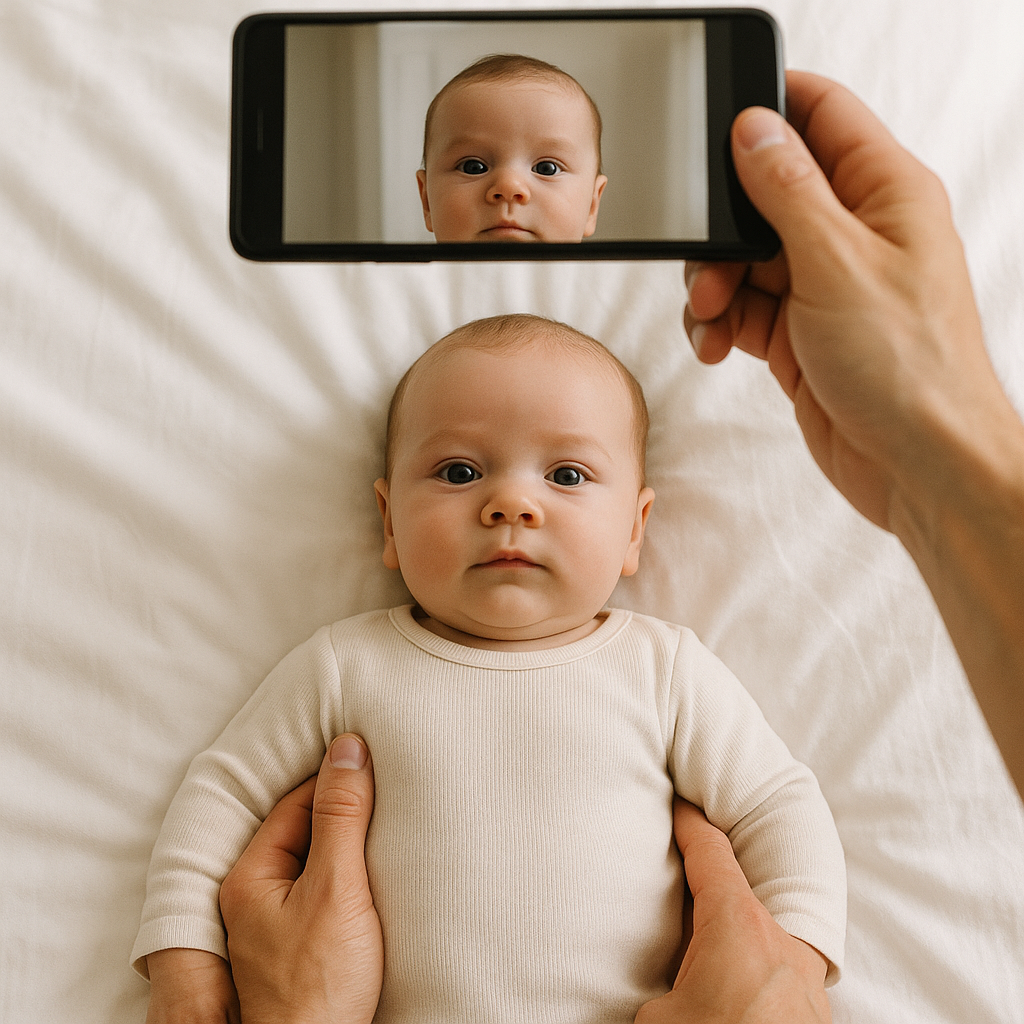
Getting a baby passport photo for bus and train passes sounds simple. Until it isn’t.
One minute, parents are thinking, “It’s just a photo.” The next, they’re juggling nap schedules, wriggly limbs, and a strict list of transit authority rules that read like fine print on a mortgage agreement. Tiny humans. Big requirements.
If you ask most parents, they’ll tell you the same thing - it’s never about the camera. It’s about timing, patience, and knowing exactly what transit services expect.
This guide breaks down everything families need to know about baby passport photos for bus and train passes. No fluff. No confusing jargon. Just practical advice, with a few honest opinions along the way.
Why Bus and Train Passes Require Baby Passport Photos
Some people are surprised to learn that even infants sometimes need identification photos for public transportation passes. "They’re babies," they say. "They don’t even look the same two months later." True. But transit systems operate on consistency and verification, not sentiment.
Many public transport authorities require:
- Infant rail passes for discounted family travel
- Child travel cards linked to parental accounts
- Long-term bus passes with photo identification
- International train passes for cross-border travel
The photo acts as a visual anchor. It prevents misuse and ensures the pass belongs to the right child. Think of it as a tiny security measure for a tiny passenger.
What Makes a Baby Passport Photo Different?
Here’s where things get interesting.
A baby passport photo for bus and train passes isn’t just a cute snapshot. It must meet specific technical guidelines. And babies, well, they don’t exactly follow instructions.
Common Photo Requirements
While rules vary slightly by region, most transport authorities expect:
- A plain white or light-colored background
- The baby facing forward
- Eyes open (yes, even for newborns in some cases)
- No shadows across the face
- No visible hands supporting the baby
- No pacifiers, toys, or headwear
Sounds straightforward. In reality? It can feel like staging a very small, very unpredictable photoshoot.
Babies slouch. They blink. They decide this exact moment is perfect for a dramatic yawn. And yet, the standards remain non-negotiable.
The Challenge of Getting It Right
Photographing an adult for ID takes five minutes. Photographing a baby? That’s more like trying to capture a butterfly mid-flight.
Lighting must be even. The background can’t have texture. The baby’s head must be centered and upright. No tilted angles. No dramatic expressions.
Honestly, it’s a bit like assembling furniture without instructions. Technically doable. Emotionally exhausting.
This is why many parents skip DIY attempts and use professional online services like BabyPassportMaker.com. It simplifies the process by adjusting backgrounds, ensuring proper sizing, and checking compliance with transit guidelines.
Sometimes outsourcing isn’t laziness - it’s efficiency.
How to Take a Baby Passport Photo at Home
For parents determined to try it themselves, here’s what works best.
1. Pick the Right Time
Timing is everything. A well-rested, recently fed baby is more cooperative. Attempting photos during a hunger meltdown? Bold move. Risky.
2. Use Natural Light
Position the baby near a window with indirect daylight. Avoid harsh overhead lighting that creates shadows under the chin or around the eyes.
3. Create a Plain Background
A simple white sheet laid flat works well. Place the baby on their back if they can’t sit upright yet. Make sure the fabric is smooth - wrinkles can cause rejection.
4. Keep the Frame Tight
The head and shoulders should fill most of the frame. Too much empty space and the image won’t meet sizing requirements.
5. Take Multiple Shots
Don’t settle for one photo. Take ten. Or twenty. Digital storage is generous - use it.
Afterward, double-check dimensions required by the specific bus or train authority. Each may have slight variations in photo size.
Common Reasons Baby Passport Photos Get Rejected
Here’s a hard truth: many baby photos are rejected on the first submission.
Why?
- Shadows behind the head
- Visible parental hands
- Improper photo size
- Background not plain enough
- Baby looking sideways
- Blurry image quality
Transit systems don’t bend rules for cuteness. They assess based on technical compliance. That’s it.
This is where tools and services that specialize in baby passport photo adjustments can save time. Instead of guessing, parents receive confirmation that the image meets official guidelines before submission.
Digital vs Printed Photos for Transit Passes
Some bus and train passes now accept digital uploads. Others still require printed copies attached to application forms.
Digital submissions typically demand:
- Specific pixel dimensions
- File size limits
- JPEG format
- High resolution (usually 300 DPI)
Printed photos must meet exact measurements - often 2x2 inches, though regional standards differ.
It’s smart to check the transport provider’s website before snapping the picture. Assumptions lead to delays.
Tips for Keeping Baby Calm During the Photo
Babies sense tension. The more stressed the adult feels, the more chaotic the session becomes. Strange but true.
Here are a few sanity-saving strategies:
- Play soft music in the background
- Use a neutral sound to get the baby’s attention (a soft click works)
- Maintain eye contact just above the camera lens
- Stay relaxed - babies mirror energy
Some parents try exaggerated smiles or loud noises. That usually backfires. Subtle works better.
Are Professional Studios Necessary?
Not always.
Traditional photo studios can take compliant infant ID pictures, but they’re often more expensive and require scheduling around business hours. For a quick transit pass photo, that can feel excessive.
Online solutions provide flexibility. Parents snap a photo at home, upload it, and receive a properly formatted image ready for bus or train pass applications.
Convenience matters - especially with infants.
How Often Does a Baby Transit Photo Need Updating?
Here’s an interesting nuance.
Some transit authorities require updated photos every few years. Others allow the pass to remain valid for its full duration, even if the baby looks dramatically different later.
Babies change fast. Chubby cheeks slim down. Hair appears out of nowhere. Expressions evolve.
But identification focuses on structural features - eye spacing, facial proportions - which remain more consistent than people realize.
Still, parents should review renewal policies regularly to avoid travel disruptions.
Final Thoughts on Baby Passport Photos for Bus and Train Passes
At first glance, it’s just a photo.
In practice, it’s a small but essential step in smooth family travel. The difference between boarding confidently and scrambling at the ticket counter often comes down to preparation.
When parents understand the requirements, choose proper lighting, follow sizing rules, and verify compliance, the process becomes manageable. Maybe not effortless - but manageable.
And if simplifying the experience means using a dedicated service like BabyPassportMaker.com, that’s a practical choice, not a shortcut.
Because travel with a baby already includes enough surprises. The passport photo doesn’t need to be one of them.
Small photo. Big relief.