Baby Passport Photo for School and Healthcare Cards
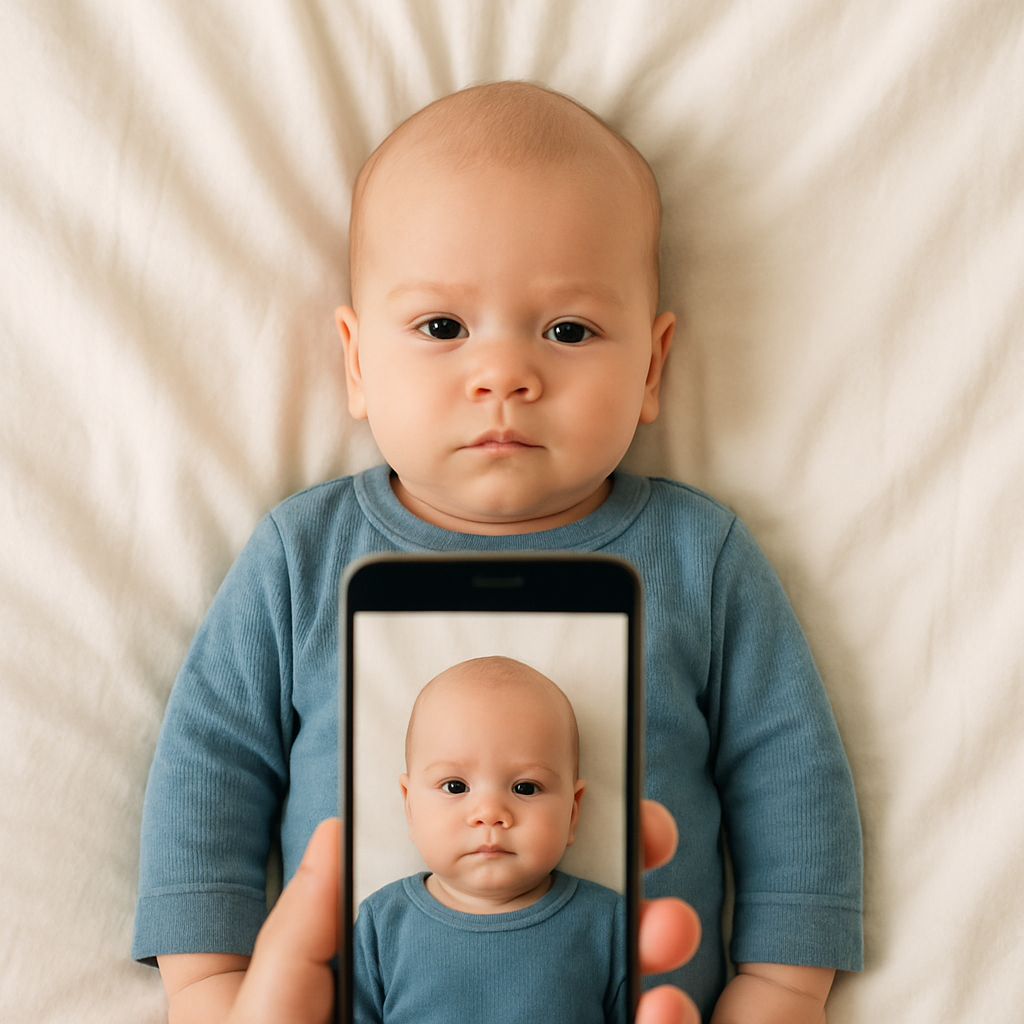
There’s something oddly stressful about getting a baby passport photo. Not because it’s complicated - it isn’t, really - but because babies don’t exactly follow instructions. They wiggle. They blink. They decide, at the worst possible moment, that smiling wildly or crying dramatically is the only acceptable option. And yet, that tiny photo? It matters. A baby passport photo for school and healthcare cards is often required for enrollment, medical records, insurance documentation, and identification systems. It seems like a small detail, but it can hold up paperwork faster than you’d expect. So let’s talk about how this works, what’s required, and how to make it painless - or at least less chaotic.
Why Babies Need Passport-Style Photos for School and Healthcare
Some parents are surprised when daycare centers, preschools, or healthcare providers ask for a passport-style photo. Why so official for someone who can’t even tie their shoes yet? Here’s the reason: identification and security. Schools and childcare centers use baby photos for:
- Student ID cards
- Security verification systems
- Emergency records
- Authorized pickup verification
- Medical and allergy documentation
Healthcare providers may require a baby passport photo for:
- Insurance cards
- Patient files
- Government healthcare programs
- Vaccination records
It’s not about formality. It’s about safety. And honestly? In today’s world, accurate identification is non-negotiable.
What Makes a Baby Passport Photo Different?
A baby passport photo isn’t just a cute snapshot taken on a phone while the baby giggles in a high chair. It follows specific guidelines. Typically, schools and healthcare systems require photos that mirror official passport standards:
- Plain white or light background
- Neutral facial expression
- Eyes open and visible
- No hats, bows, or headbands
- No shadows across the face
- Proper sizing (often 2x2 inches in the U.S.)
Sounds simple, right? Now try explaining “neutral expression” to a six-month-old.
The Background Matters More Than You Think
Here’s a common mistake: using a patterned blanket or crib sheet. It looks adorable. It feels harmless. It’s also usually rejected. Think of the background like a blank canvas in a museum. It shouldn’t compete with the artwork. The baby is the artwork. A plain white wall, a smooth sheet taped flat, or a professional digital background works best. Clean. Simple. Distraction-free.
Expression - The Tricky Part
Passport-style photos require a neutral face. That doesn’t mean serious or stern. Just relaxed. No wide grins. No tongue sticking out. No dramatic mid-cry meltdown (if possible). The goal is clarity. Facial features must be fully visible so the image can be used reliably for identification over time. And yes, even babies change fast. But structure matters.
Common Mistakes Parents Make
Let’s save some frustration. Here are the usual pitfalls when taking a baby passport photo for school or healthcare cards:
- Using flash directly - It creates harsh shadows or red-eye.
- Holding the baby in the frame - Visible hands or shoulders mean rejection.
- Accessories - Even cute headbands often violate requirements.
- Improper cropping - The head must fit within specific dimensions.
- Low resolution images - Blurry photos don’t pass.
It’s like baking a cake and eyeballing the measurements. Sometimes it works. Often it doesn’t.
How to Take a Baby Passport Photo at Home
Here’s the practical part. If someone wants to capture the image at home, this step-by-step approach helps:
1. Choose the Right Time
Avoid nap transitions. Avoid hunger. Avoid the "I refuse to cooperate" window. Mid-morning often works best when babies are alert but calm.
2. Use Natural Light
Place the baby near a window with indirect sunlight. Turn off overhead lights to prevent color distortion. Lighting should be soft and even - like cloudy-day brightness.
3. Lay Baby Down for Stability
For infants who can’t sit independently, lay them on a flat white sheet. Make sure it’s wrinkle-free. Stand directly above and shoot straight down. No angles.
4. Keep It Simple
Dress the baby in solid, darker colors to contrast with a light background. Avoid white clothing that blends in.
5. Take Multiple Shots
And then take more. Digital photos cost nothing. Capture 20. Maybe 40. One will work.
The Easier Option - Professional Online Services
Let’s be honest. Sometimes DIY becomes DI-Why-am-I-doing-this. That’s where professional services step in. Platforms like BabyPassportMaker.com specialize in compliant baby passport photos for schools, healthcare cards, and official documents. The process is straightforward:
- Upload a photo
- Experts adjust background and sizing
- Receive a compliant digital file
- Print or submit online
No guessing about dimensions. No second-guessing lighting. No rejected applications. For busy parents juggling enrollment forms, immunization records, and daily chaos, that convenience feels less like luxury and more like survival.
Why Accuracy Matters for School Enrollment
Many school systems now digitize student IDs. Photos get uploaded into databases, linked to attendance systems, connected to emergency contact profiles. If the image doesn’t meet specifications, the administrative process slows down. And schools rarely chase parents for corrections gently. They send reminders. Then follow-ups. Then final notices. Getting it right the first time saves everyone energy.
Healthcare Card Photo Requirements
Healthcare systems often mirror government ID standards. The baby passport photo must:
- Show full face
- Have even lighting
- Be recent
- Accurately represent current appearance
Some insurance providers also require digital format specifications - JPEG size limits, resolution minimums, or specific pixel measurements. It’s technical. Slightly annoying. Entirely necessary. Think of it like a barcode. If the image doesn’t scan cleanly in their system, processing slows down.
How Often Should a Baby Photo Be Updated?
Babies transform fast. One month they’re tiny and round. Six months later, completely different face shape. For school and healthcare cards, updates are usually required when:
- The appearance changes significantly
- The child advances to a new school level
- A new healthcare card is issued
- The existing image becomes outdated or unclear
It’s not about perfection. It’s about recognition.
Digital vs Printed Baby Passport Photos
This depends on the institution. Some schools accept:
- Digital uploads via enrollment portals
- Email submissions
- USB file delivery
Others still request printed 2x2 photos attached to forms. Before submitting anything, double-check requirements. It takes two minutes and prevents unnecessary rework.
Final Thoughts on Baby Passport Photos
A baby passport photo for school and healthcare cards might feel like a tiny administrative chore in a sea of bigger parenting tasks. But small details stack up. A clear, compliant photo means smoother enrollment. Faster healthcare processing. Less back-and-forth with administrators. If someone wants to tackle it at home, it’s absolutely doable with patience and good lighting. If they’d rather skip the trial-and-error stage, services like BabyPassportMaker.com exist for a reason. At the end of the day, it’s just a photo. A small square image. But it represents access - to education, to healthcare, to safety systems designed to protect children. And that makes it worth doing right.