Baby Passport Photo for Go and Ventra Cards
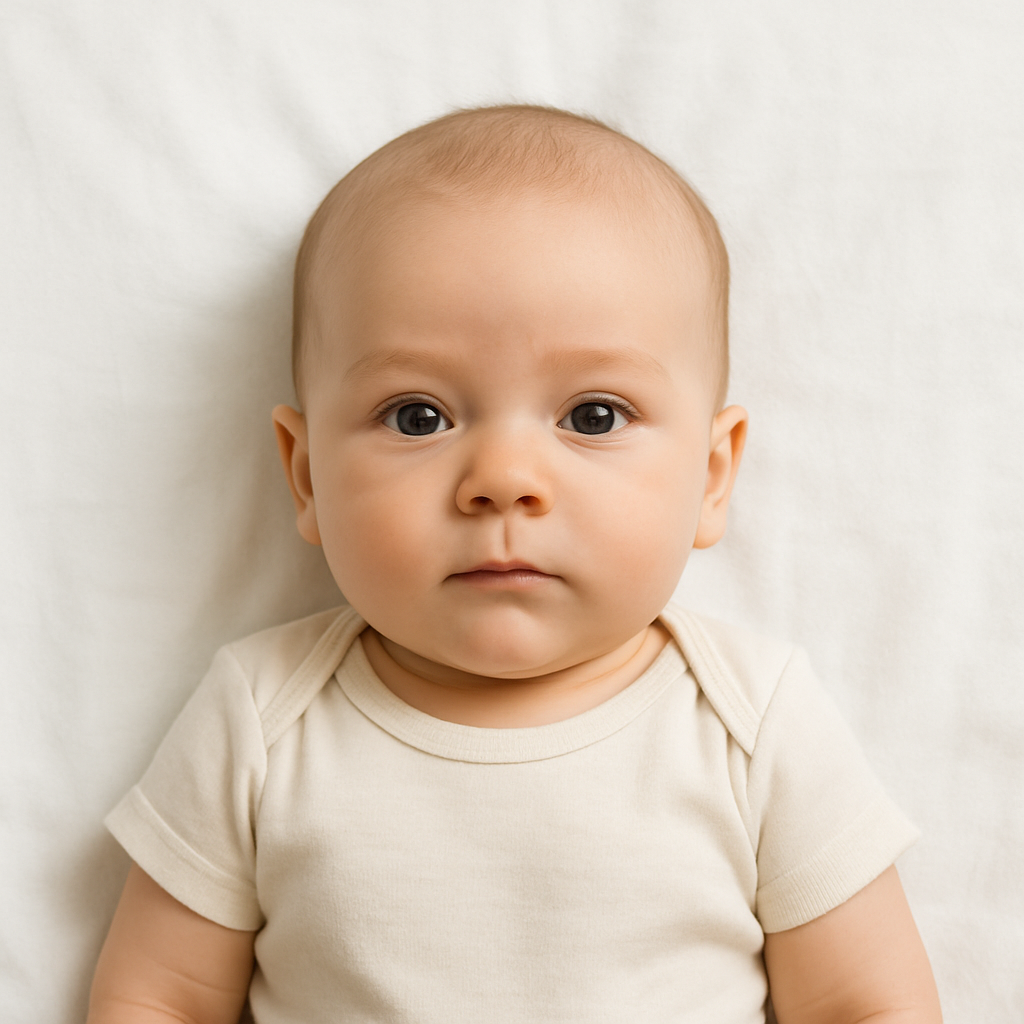
There’s something oddly stressful about getting a baby’s photo taken. Not the cute kind of stressful - the real kind. The squirming, the blinking, the sudden meltdown three seconds before the camera clicks. And when that tiny photo is meant for something official, like a Go or Ventra card, the pressure feels even heavier. Parents often assume a "baby passport photo" is only for international travel. Not quite. Transit identification programs, including Go and Ventra cards, frequently require a compliant baby passport-style photo. And yes - the rules still apply, even if the subject is eight months old and fascinated by ceiling lights. Let’s break it down. Simply. Honestly. ## Why a Baby Passport Photo Matters for Go and Ventra Cards Public transportation programs like Go and Ventra cards rely on accurate identification. That means a clear, regulation-friendly image of your child. Sounds simple, right? It isn’t always. A baby passport photo for transit cards typically needs to meet requirements similar to official passport standards: - Neutral expression (good luck with that) - Eyes open and visible - Plain white or light background - No shadows across the face - Proper head positioning - Correct photo size and proportions Transit agencies use these images to verify identity and prevent misuse. It’s less about bureaucracy and more about security and fairness. Still, many parents underestimate the importance of getting it right the first time. A rejected photo means delays. Extra forms. More waiting. Nobody wants that when trying to juggle strollers and bus schedules. ## What Makes Baby Photos So Tricky? Adults can follow instructions. Babies? Not so much. Infants don’t understand “look straight ahead” or “don’t smile.” They don’t care about symmetry or lighting ratios. They care about snacks and naps. Here’s where things get complicated: ### 1. Head Support Issues Young babies can’t sit upright. That means someone has to gently support them without being visible in the final image. Hands cannot appear in the frame. Neither can shoulders of the parent. That often requires creative positioning. ### 2. Expression Control A big gummy grin is adorable. It’s also sometimes unacceptable for official photos. Agencies usually require a neutral face. No exaggerated smiles. No crying. No pacifiers. ### 3. Lighting and Shadows Indoor lighting can cast uneven shadows across a baby’s face. Overhead lights? Terrible. Flash? Risky. Too bright and the image washes out. Too dim and it gets rejected. Getting the balance right feels like trying to photograph a moving cloud. ## Can Parents Take the Photo at Home? Short answer - yes. Long answer - yes, but it has to be done correctly. Modern smartphones are capable of producing high-quality images that meet transit and passport standards. The problem isn’t the camera. It’s the setup. If someone insists on DIY, here’s a quick checklist: ### Setup Tips for a Baby Passport Photo 1. Lay the baby flat on a white sheet with no wrinkles. 2. Use natural daylight near a window. 3. Avoid overhead shadows. 4. Remove hats, headbands, and pacifiers. 5. Ensure both eyes are open. 6. Keep the baby centered and facing straight up. Even then, cropping and sizing must match the exact requirements of the Go or Ventra system. That’s where most submissions fail. And honestly? Resizing incorrectly by a few millimeters can lead to rejection. Bureaucracy is unforgiving. ## Why Many Parents Choose Professional Online Services There’s a reason digital photo services have exploded in popularity. Instead of wrestling with lighting and dimensions, many families now use specialized platforms like BabyPassportMaker.com to create compliant baby passport photos from home. It’s straightforward: - Upload a photo - The system adjusts size and background - Experts review for compliance - Download a ready-to-submit image No guessing. No printing errors. No last-minute panic before school enrollment deadlines. If you ask most busy parents, convenience wins every time. ## Common Reasons Baby Passport Photos Get Rejected This part surprises people. Transit offices don’t reject photos just to be difficult. They follow strict guidelines. Here are the top rejection triggers: - Baby looking to the side - Mouth open too wide - Visible parent hand - Patterned or colored background - Image too small or improperly cropped - Blurry focus One tiny flaw and the application stalls. It’s like baking a cake and forgetting the sugar. Everything else might be perfect - but it still doesn’t work. ## Go vs Ventra - Are the Requirements Different? Mostly similar. Slight differences can exist depending on regional transit authority updates. Generally speaking, both require: - Recent photo - Clear view of the face - Plain background - No accessories blocking features However, specific dimensions and digital file requirements may vary. Always double-check the latest submission guidelines before uploading. Sounds obvious, but many people skip that step. ## Timing Matters More Than You Think Babies change fast. One month they look like a tiny potato. The next, suddenly expressive and alert. Transit cards often remain valid for several years. That means the photo should reasonably resemble the child for identification purposes. Taking a photo when the baby is calm - after feeding, before nap time - increases success. A tired infant rarely cooperates. Anyone who has tried knows this deeply. ## Practical Preparation Tips A little strategy goes a long way. ### Before Taking the Photo: - Choose a time when the baby is well-rested - Keep the room warm and comfortable - Have a clean white blanket ready - Remove distracting objects from view ### During the Photo Session: - Use soft, indirect light - Keep toys near the camera to grab attention - Take multiple shots - more than you think you need - Stay patient And patience really is the secret ingredient. Babies sense tension. The more relaxed the parent, the smoother it goes. ## Is It Worth Doing It Right the First Time? Absolutely. Submitting a correct baby passport photo for Go and Ventra cards saves time, avoids repeated trips, and eliminates unnecessary stress. That alone is worth a little extra effort. Some parents treat the process casually. Others overthink every detail. The truth sits somewhere in the middle. This isn’t a fashion portrait. It’s identification. Still, it doesn’t have to be a nightmare. ## The Bigger Picture At first glance, a baby passport photo for transit cards seems like a tiny administrative task. But small administrative tasks pile up fast when raising a child. Health records. School forms. Travel documents. Identification cards. Each one asks for precision. Handling these efficiently builds momentum. It keeps things moving. And if there’s one thing parents don’t have in surplus, it’s extra time. So whether choosing a careful at-home setup or using a professional online adjustment service, the goal remains the same - a clean, compliant, stress-free submission. No drama. No rejections. No frantic reprints. Just a tiny face, centered against white, ready for a Go or Ventra card. Simple in theory. Manageable in practice - with the right approach.