Baby Passport Photo for Minor Travel Consents
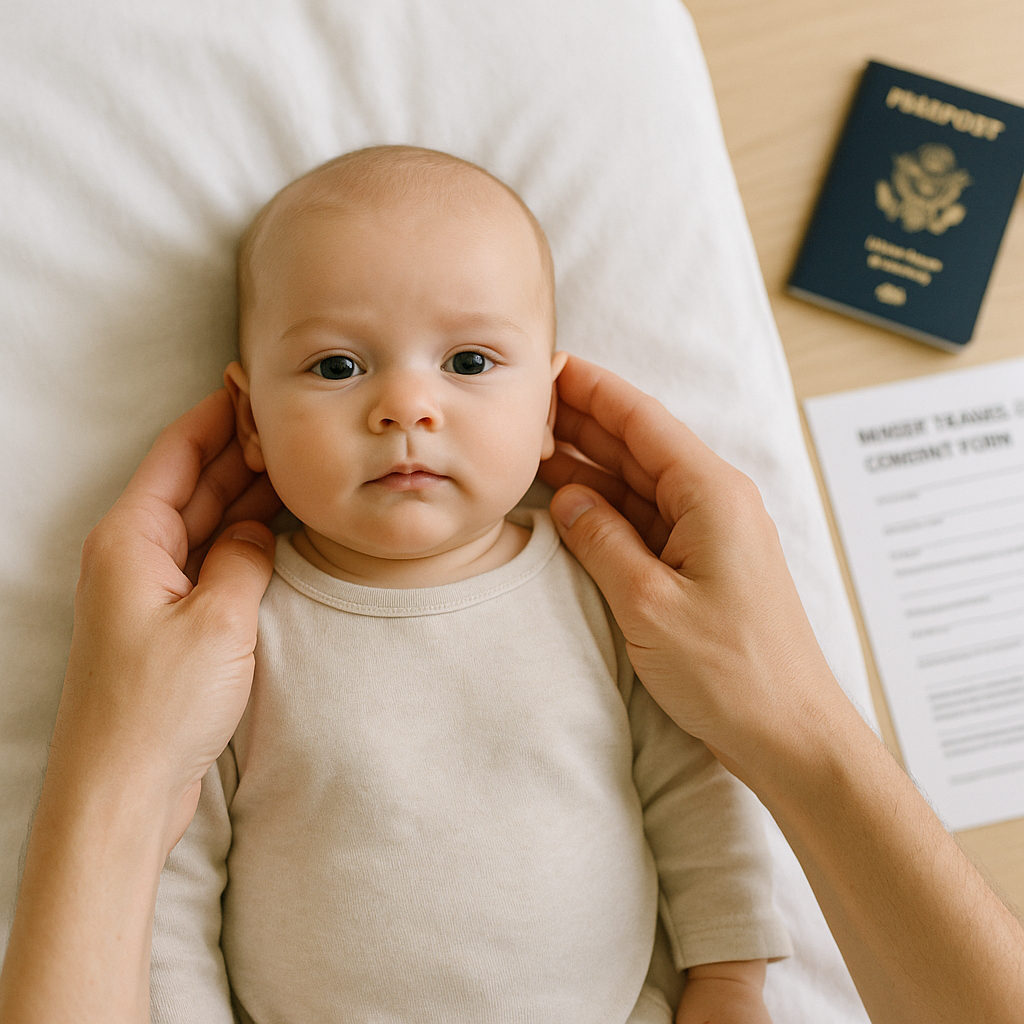
Traveling with a baby sounds sweet in theory - tiny socks, sleepy airport cuddles, first passport stamp. In reality? It is paperwork, timing, and a surprising number of rules. One of the most overlooked details is the baby passport photo for minor travel consents. It sounds simple. It rarely is.
Parents often assume a baby passport photo is just a smaller version of an adult one. Not quite. Governments treat infant documentation seriously, especially when it involves travel consent forms for minors. The photo becomes part of a legal identity trail. If you ask most experienced parents, they will tell you this - the photo is where things either move smoothly or stall completely.
Why a Baby Passport Photo Matters for Minor Travel
When a minor travels - especially internationally - authorities want proof. Proof of identity. Proof of parental consent. Proof that everything is legitimate. A compliant baby passport photo ties all of that together.
Here’s the thing. Border control officers are trained to look closely at children’s documents. A blurry image or incorrect background may seem minor, but it can trigger delays. And no parent wants to negotiate travel rules with a fussy infant in their arms.
So what exactly makes a proper baby passport photo?
Core Requirements for Infant Passport Photos
- Clear image with no shadows
- Plain white or off-white background
- Baby facing forward
- Eyes open, if possible
- No visible hands holding the child
- No pacifiers, toys, or accessories
- Proper head size ratio within the frame
Sounds straightforward. Until you try keeping a three-month-old still.
Minor Travel Consent and Photo Verification
When one parent travels alone with a child, or when a guardian accompanies a minor, written travel consent is often required. Immigration officials compare the passport photo to the child physically present. That image must accurately represent the baby.
Even subtle issues can raise questions:
- Heavy shadows altering facial appearance
- Partial obstruction of the head
- Incorrect cropping
- Red-eye effect
Honestly, these details matter more than many expect. Officials are not judging aesthetics. They are confirming identity.
The Unique Challenge of Infant Photography
Photographing adults is predictable. Adults follow instructions. Babies? Not so much.
Infants cannot hold their heads upright consistently. They blink unexpectedly. They wiggle. They nap at the wrong moment. Getting a compliant baby passport photo can feel like trying to capture a butterfly mid-flight.
And yet, it must look official. Neutral expression. Direct gaze. Balanced lighting. It is a peculiar mix of patience and precision.
Common Mistakes Parents Make
- Using patterned blankets as backgrounds
- Allowing a shadow from a parent’s arm
- Submitting photos that are slightly angled
- Ignoring exact size measurements
- Taking photos in dim lighting
Each of these can result in rejection. Which means retakes. Which means delays. And sometimes missed travel windows.
Why Professional Tools Make a Difference
Here is a hot take - saving a few dollars on a photo is not worth risking international travel plans.
Parents today often turn to digital services that specialize in compliant passport images. A platform like BabyPassportMaker.com helps ensure correct sizing, background removal, and formatting aligned with government standards.
That level of precision reduces the guesswork. Instead of hoping the image meets official guidelines, parents upload, adjust, and download a ready-to-print version formatted properly. It removes the uncertainty.
Understanding Country-Specific Photo Rules
Not all passport requirements are identical. The United States, Canada, the UK, and EU countries each have subtle differences in dimensions and head positioning.
For example:
- US infant passport photos must measure 2x2 inches
- UK baby passport photos require specific millimeter dimensions
- Canadian standards specify precise head size range
One millimeter off can cause rejection. It feels excessive. Yet that is the system.
Tips for Taking a Baby Passport Photo at Home
Parents who decide to capture the photo themselves can improve their success rate with a few practical strategies.
1. Choose the Right Time
A well-rested baby is more cooperative. Attempting photos during nap transitions rarely works.
2. Use Natural Light
Position the baby near a window. Avoid direct sunlight. Soft daylight minimizes shadows and harsh contrasts.
3. Lay Baby on a White Surface
Place a smooth white sheet on the floor. Lay the infant flat on their back. Take the photo from directly above. This method eliminates visible hands and awkward support positions.
4. Keep It Simple
Dress the child in solid colors. Avoid white clothing that blends into the background. Remove headbands or hats unless medically required.
5. Take Multiple Shots
Expect trial and error. Capture several images to ensure at least one meets criteria.
Sounds manageable, right? It can be - with patience.
How Travel Consent Forms Connect to Identity Verification
Minor travel consent letters are designed to prevent child abduction and unauthorized relocation. Border agents compare:
- The child’s passport photo
- The physical appearance of the minor
- The names on the consent form
- The passport information
If any element appears inconsistent, officials may request additional verification. A clean, accurate baby passport photo reduces that friction.
Think of it like a puzzle. Each document is a piece. The photo is the visual anchor that connects everything.
When to Retake the Photo
Babies change quickly. Facial features evolve within months. While passports for minors are typically valid for several years, dramatic appearance changes can cause confusion during travel.
Retaking the image is not always mandatory before expiration, but clarity helps. Parents traveling frequently often update documentation proactively if the infant’s look has shifted significantly.
The Emotional Side of Baby Travel Documents
There is something quietly symbolic about a baby passport photo. It marks a first step into the wider world. That tiny face on official paper signals independence, mobility, possibility.
Still, romance aside, logistics rule the day. Accuracy, compliance, clarity.
Parents juggling packing lists, feeding schedules, and boarding passes do not need last-minute photo rejection stress. Getting the baby passport photo correct from the beginning keeps the focus where it belongs - on the journey itself.
Final Thoughts on Baby Passport Photo for Minor Travel Consents
Preparation makes international travel with children smoother. A compliant baby passport photo is not just a checkbox. It supports identity verification, validates minor travel consent documentation, and reduces unnecessary complications at borders.
Parents who understand the requirements early avoid frustration later. They verify sizing. They follow background rules. They use reliable tools like BabyPassportMaker.com when needed.
And then? They board the plane with confidence.
Because when traveling with a baby, there will already be enough surprises. The passport photo should not be one of them.