Baby Passport Photo Requirements Philippines 2026
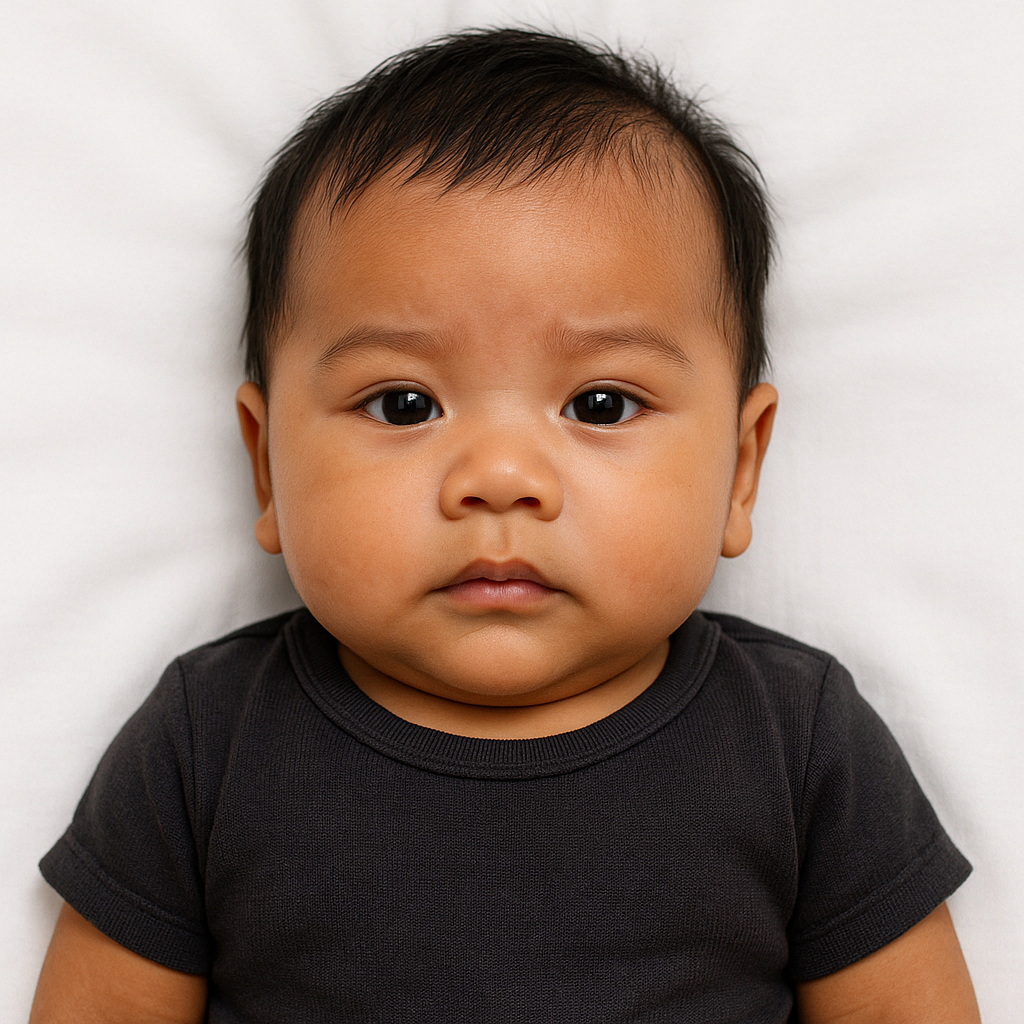
Parents preparing for an infant passport in the Philippines quickly realize something - the rules are surprisingly strict. It is not just about snapping a cute picture and calling it a day. The baby passport photo requirements Philippines 2026 guidelines are specific, detailed, and enforced. And yes, even tiny newborns have to follow them. If you ask most parents, the passport photo is the hardest part of the whole process. Babies do not sit still. They squirm. They blink. They cry. Sometimes they stare at the ceiling like it holds the meaning of life. So how do you get it right the first time? Let’s break it down clearly, simply, and honestly.
Official Baby Passport Photo Requirements Philippines 2026
The Department of Foreign Affairs - DFA - maintains strict biometric standards. These rules are designed to ensure accurate identification and compliance with international travel systems. Here is what parents need to know:
1. Photo Size and Dimensions
The required size for a Philippine passport photo is:
- 35mm x 45mm
- Head size must measure between 32mm and 36mm from chin to crown
- Full face visible and centered
Sounds simple, right? It would be - if babies understood instructions.
2. Background Requirements
The background must be:
- Plain white
- No shadows
- No patterns or textures
- No visible objects
That means no patterned blankets. No couch cushions. No parent’s shoulder peeking into frame. Yes, that includes hands holding the baby’s head upright. Those must not appear in the final image.
3. Facial Expression Rules
Here is where things get tricky. The baby must:
- Have a neutral expression
- Keep both eyes open
- Face the camera directly
- Keep mouth closed
Now, anyone who has ever met a three-month-old knows how unrealistic that sounds. Neutral expression? For a baby? But the DFA does allow slight flexibility for infants. A fully serious look is not required, but the face must be clearly visible and not distorted by crying or laughter.
4. Lighting Standards
Lighting must be:
- Even and soft
- No red-eye
- No harsh shadows on the face or background
- Natural skin tones preserved
Harsh flash photography often causes rejection. Overexposed images do too. Think of lighting like sunlight on a calm morning - soft, balanced, gentle.
5. Clothing Guidelines
Babies should wear:
- Simple clothing
- Dark or mid-tone colors preferred
- No white tops that blend with background
- No hats or headbands
- No pacifiers
Religious head coverings are allowed, but they must not obscure the face. Accessories are not permitted. That adorable flower headband? Leave it out.
Common Reasons Baby Passport Photos Get Rejected
Honestly, rejections happen more often than people think. And each rejection means delays, reprints, and frustration. Here are the most common mistakes:
- Baby looking sideways
- Eyes partially closed
- Visible hands supporting head
- Shadows behind ears
- Wrinkled white sheet background
- Incorrect cropping
- Filters or edited skin tones
It only takes one small issue. That is why precision matters.
Can You Take a Baby Passport Photo at Home?
Short answer? Yes. Long answer? Yes - but carefully. Taking a baby passport photo at home can work if parents understand the standards. The key is patience and setup. Many parents lay the baby flat on a white sheet placed smoothly over a mattress. The camera shoots directly from above. No angles. No tilts. But here is the catch - sheets wrinkle. Lighting shifts. Babies move. It can feel like trying to photograph a tiny tornado. That is where online tools help. Services like BabyPassportMaker.com allow parents to upload a photo and automatically adjust it to meet Philippine passport standards. The system corrects sizing, background, and alignment according to DFA rules. For busy families, that saves time. And sanity.
Step-by-Step Guide to Getting It Right
Let’s simplify this.
Step 1 - Prepare the Setup
Choose a bright room with indirect daylight. Avoid overhead lights that cast shadows. Use a clean white background. Smooth it completely.
Step 2 - Position the Baby
Lay the baby flat or seat them upright if they can support their head. Make sure the head is straight, not tilted. No toys. No distractions near the face.
Step 3 - Take Multiple Shots
Do not rely on one photo. Take 20. Maybe 30. Tiny movements change everything. Having options increases the chance that one image meets requirements.
Step 4 - Check Compliance
Verify:
- Correct dimensions
- Clear eyes
- No background shadows
- Proper head size ratio
Using a passport photo editing service ensures biometric alignment.
Special Considerations for Newborns
Newborn passport photo Philippines rules remain strict, but officers understand infant limitations. If the baby cannot fully open both eyes simultaneously, slight tolerance may apply. However, the face must still be clearly visible. No part of another person can appear in the frame. This is critical. Parents sometimes attempt to hold the baby upright and crop their hands out later. That often leaves visible shadows or uneven edges. DFA reviewers notice.
Why Accuracy Matters in 2026
Biometric systems have become more advanced. Philippine passports now integrate enhanced facial recognition technology compatible with international databases. That means precision is not just bureaucracy - it is security. Think of it like a digital fingerprint for the face. Even small distortions can cause mismatches during travel screening. No parent wants airport delays with an infant. Better to get it right at the start.
Quick Checklist Before Submission
Before printing or uploading, run through this list:
- Photo size 35mm x 45mm
- White background, no texture
- Neutral expression
- Eyes open
- No shadows
- No accessories
- Correct head proportions
If every box is checked, approval chances increase dramatically.
Digital vs Printed Copies - What Parents Should Know
For DFA online appointments, digital uploads may be required before appearance. Printed photos must be:
- High resolution
- Matte or semi-matte finish
- Not pixelated
- Not damaged or creased
Glossy prints sometimes create glare. That glare can distort facial recognition scanning. Details matter.
Final Thoughts on Baby Passport Photo Requirements Philippines 2026
Preparing a baby passport photo in the Philippines is not complicated - but it is precise. It demands patience. Attention. A little strategy. Parents who understand the baby passport photo requirements Philippines 2026 standards ahead of time avoid repeat appointments and rejected applications. They move through the DFA process smoothly. And that is the goal, isn’t it? Less stress. Faster approval. One step closer to travel. Because whether the journey is for family visits, migration, or a first international adventure, every trip starts with that tiny photo. Small picture. Big importance.