Baby Passport Photo Requirements Philippines 2026
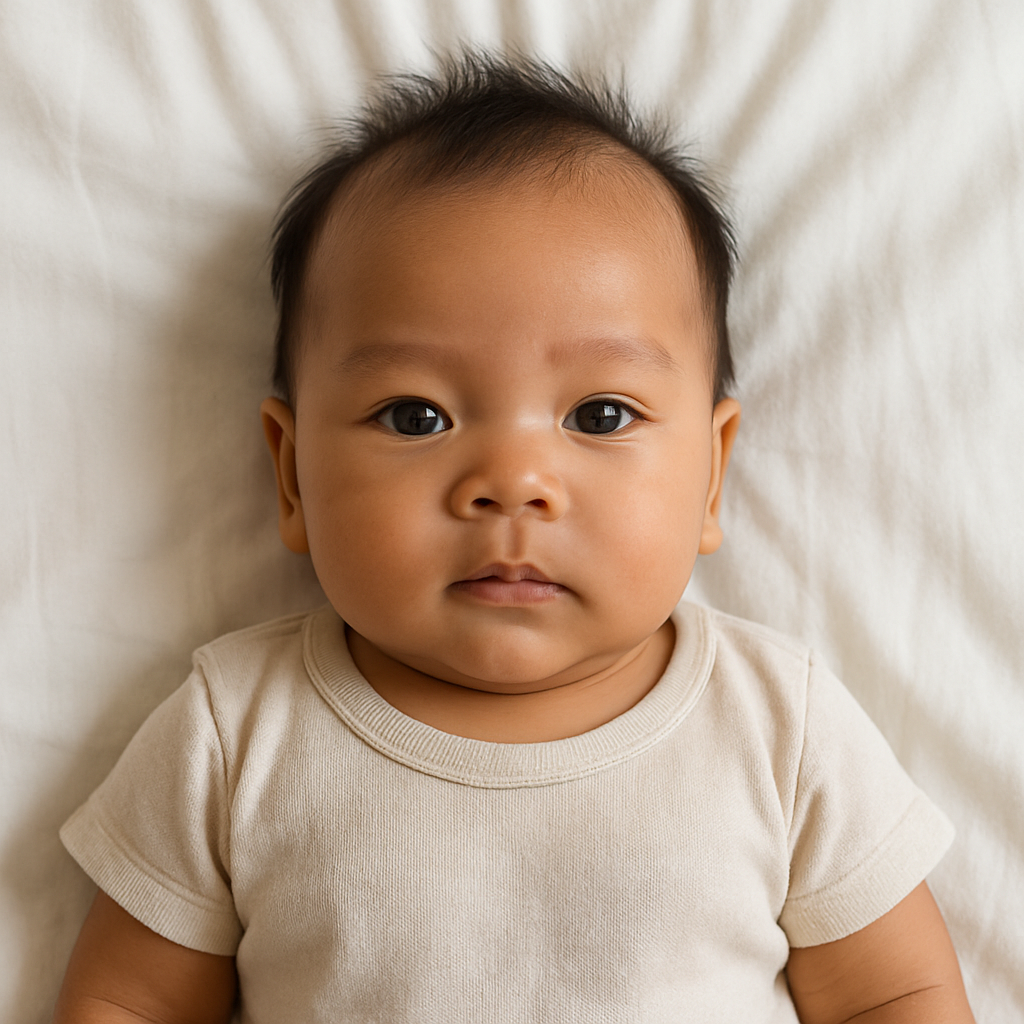
Applying for a passport for a baby in the Philippines sounds simple. Until it isn’t. Parents often assume it’s just a quick snapshot and a form or two. But when it comes to baby passport photo requirements Philippines 2026, the rules are surprisingly specific. And yes, the DFA is strict. One small detail off - wrong background shade, shadow on the cheek, tiny smile - and the application can get delayed. If you ask seasoned parents, they’ll tell you the same thing: the photo is the trickiest part. So let’s break it down clearly, practically, and without the fluff.
Why Baby Passport Photos Are So Strict in 2026
The Department of Foreign Affairs follows international biometric standards. That means even infants must have photos that meet facial recognition guidelines. Sounds intense for a newborn, right? But here’s the thing. A passport isn’t just an ID. It’s a global travel document. The photo needs to work in airport scanners from Manila to Madrid. In 2026, compliance is tighter than ever. Digital screening tools flag errors instantly. That’s why understanding these rules before taking a picture can save serious time.
Official Baby Passport Photo Requirements Philippines 2026
Let’s get straight to the essentials.
1. Photo Size and Dimensions
The required size remains:
- 35mm x 45mm
- Head height between 70% to 80% of the photo
- Clear, centered positioning
The baby’s face must fill the frame properly. Too far? Rejected. Too close? Also rejected. Precision matters.
2. Background Requirements
The background must be:
- Plain white
- No patterns
- No shadows
- No visible textures
White means white. Not cream. Not light gray. Not "almost white." Think clean bond paper under bright daylight.
3. Facial Expression Rules
This is where things get interesting. For babies:
- Eyes must be open
- Mouth closed
- No smiling
- No crying
Yes, even infants are expected to maintain a neutral expression. Is that always realistic? Not exactly. But it’s the standard.
4. Head Position and Visibility
The baby’s head must:
- Face directly toward the camera
- Not tilt left or right
- Show both ears if possible
- Have no hair covering the eyes
No parent hands visible. No shoulders holding from behind. No toys peeking in. The baby must appear alone in the frame.
5. Clothing Guidelines
Keep it simple.
- No white tops (they blend with background)
- No uniforms
- No accessories
- No headbands or hats
Religious head coverings are allowed but must not obscure facial features.
Common Reasons Baby Passport Photos Get Rejected
Here’s a hot take: most rejections happen because parents underestimate the details. The most common mistakes in 2026 include:
- Shadows behind the baby’s head
- Red-eye from flash photography
- Blurry images due to movement
- Incorrect cropping
- Visible supporting hands
Babies move. A lot. Taking the photo feels like trying to photograph a hummingbird during snack time. Patience becomes your best friend.
Tips for Taking a Baby Passport Photo at Home
Professional studios are helpful, but many parents now choose digital solutions. Especially with rising studio costs. Here’s how to improve your chances of approval:
Use Natural Lighting
Position the baby near a window. Avoid direct harsh sunlight. Soft daylight reduces shadows and prevents red-eye. Flash is risky. Skip it if possible.
Lay the Baby Down
Place a clean white sheet on the floor. Lay the baby flat on their back. Stand directly above. This helps avoid neck tilting. Sounds simple, right? It usually takes a few tries.
Take Multiple Shots
Don’t rely on one photo. Capture at least 20 or 30 images. One of them will likely meet the requirements.
Use a Reliable Online Tool
Editing dimensions manually can feel like solving a math equation at midnight. That’s where services like BabyPassportMaker.com come in. The platform automatically adjusts size, background, and positioning to match Philippine passport photo standards for 2026. It’s fast. It removes guesswork. And honestly, it lowers stress.
Digital vs Printed Baby Passport Photos
The DFA typically captures biometric data onsite during the appointment. However, pre-submitted photos may still be required depending on the appointment type. Parents should confirm whether:
- Printed photos are required
- Digital copies are needed
- Both formats are necessary
Printed photos must be on high-quality photo paper. No inkjet streaks. No pixelation. A grainy image looks unprofessional - and can be rejected.
Special Considerations for Newborns
Newborns present unique challenges. They can’t support their heads. They sleep often. Their eyes may not stay open long. In 2026, DFA guidelines still require eyes open whenever possible. For very young infants, slight leniency may occur, but it’s not guaranteed. Practical suggestions:
- Take the photo after feeding
- Ensure the baby is calm
- Keep the room warm
- Have another adult nearby to assist
Timing is everything.
How Long Is a Baby Passport Valid?
In the Philippines, passports for minors are valid for five years. That means the baby’s tiny face on that document will represent them until toddlerhood. Strange thought, isn’t it? Another reason the image must be clear and compliant.
2026 Updates Parents Should Know
This year introduced tighter digital verification. Automated systems now scan:
- Facial symmetry
- Background uniformity
- Lighting balance
Manual review still happens, but initial screening is algorithm-driven. Translation? Minor technical flaws are caught instantly.
Quick Checklist Before Submission
Before submitting your baby’s passport photo, review this list:
- Correct 35mm x 45mm size
- Plain white background
- Neutral expression
- Eyes open
- No shadows
- No accessories
- High resolution image
If every box is checked, you’re likely good to go.
Final Thoughts on Baby Passport Photo Requirements Philippines 2026
Getting a passport photo for an adult is easy. Ask them to sit still. Done. Getting one for a baby? That’s a mini production. But preparation changes everything. Understand the standards. Control the lighting. Keep the background spotless. Use tools that simplify the technical side. And give yourself extra time. Because once that passport arrives, it opens doors - airport gates, family reunions abroad, beach trips overseas. All starting with one small photo. Handle it right the first time, and the rest of the process feels a whole lot smoother.