Baby Passport Photo Requirements Philippines 2026
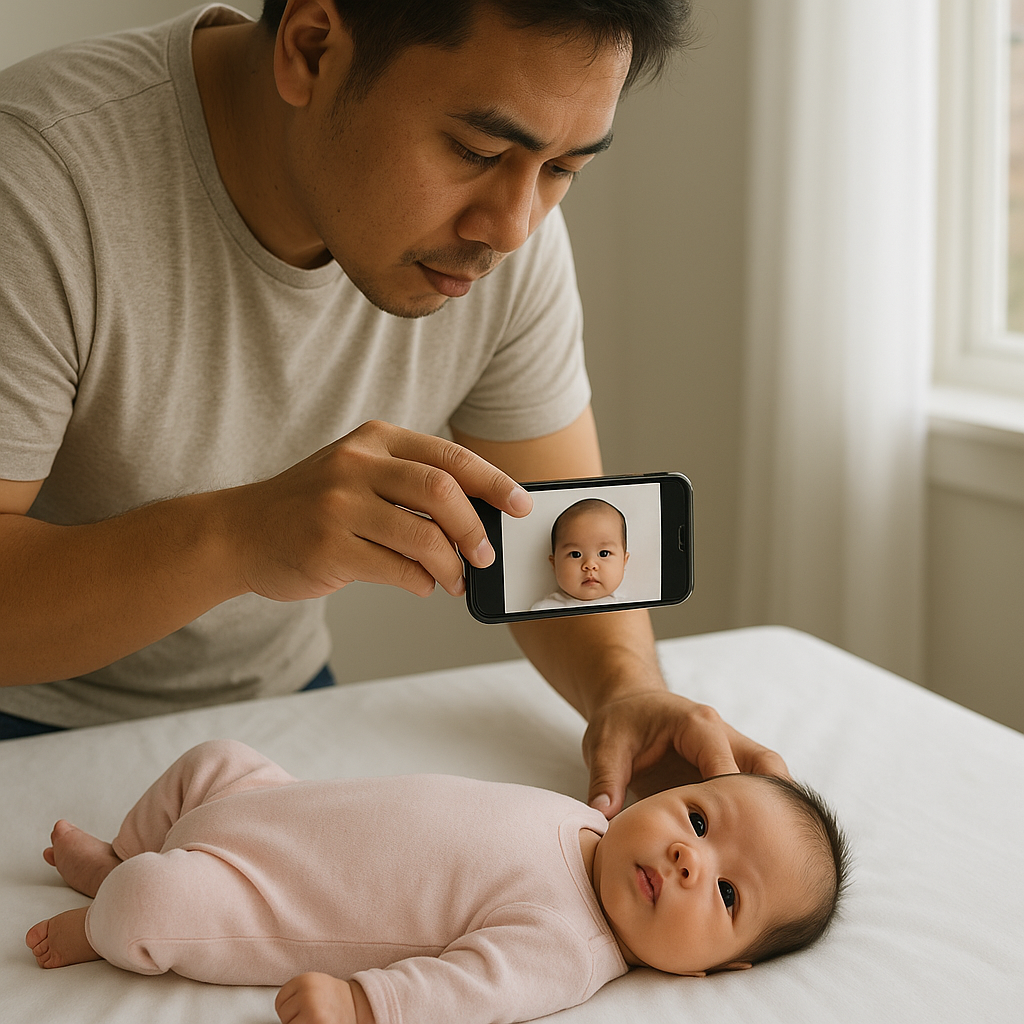
Applying for a baby passport in the Philippines sounds simple. Take a cute photo. Submit documents. Wait. Done, right?
Not exactly.
Parents often assume infant passport photos are just smaller versions of adult ones. They are not. In fact, baby passport photo requirements in the Philippines for 2026 are surprisingly strict. One tiny shadow, one slightly open mouth, one misplaced hand - and the application can get delayed.
If you ask seasoned parents, they’ll tell you: the photo is the part that trips people up.
This guide breaks everything down clearly, practically, and without the usual government jargon.
Why Baby Passport Photos Are So Strict
Passport photos aren’t about aesthetics. They’re about biometric accuracy.
The Philippine Department of Foreign Affairs (DFA) follows international ICAO standards. That means even newborns must meet facial recognition requirements. Yes, even if they can’t sit up yet.
Here’s the thing - machines scan these photos. Not people. So lighting, alignment, background, and expression matter more than cuteness.
Sounds intense? It is. But it’s manageable once you know the rules.
Baby Passport Photo Requirements Philippines 2026
Let’s get specific.
Below are the updated passport photo requirements for babies in 2026:
1. Photo Size and Dimensions
- Size: 35mm x 45mm
- Head height: 70% to 80% of the photo
- Centered and facing the camera directly
The baby’s face must be clearly visible and proportionate. Too far? Rejected. Too close? Also rejected.
2. Background Requirements
- Plain white background
- No patterns
- No shadows
- No visible textures
White means pure white. Not cream. Not beige. Not "almost white."
A shadow behind the baby’s head is one of the most common reasons photos get denied.
3. Facial Expression
This is where things get tricky.
For babies:
- Eyes must be open (if possible)
- Mouth closed
- No exaggerated facial expressions
Now, newborns get a little flexibility. The DFA understands that a 2-week-old won’t follow instructions. Still, the eyes should be visible and not completely closed.
No laughing shots. No yawning. No crying mid-scream.
Neutral is the goal.
4. No Visible Hands or Props
Parents sometimes hold the baby from below and think it won’t show.
It shows.
Hands, fingers, shoulders of parents - none of these should appear in the frame. No toys. No pacifiers. No blankets covering the chin.
The baby must appear alone against a white background.
5. Clothing Guidelines
- Avoid white tops (they blend into background)
- No uniforms
- No hats or headbands
- No large accessories
Religious head coverings are allowed, but the full face must be visible.
Simple, solid-colored clothing works best.
Common Reasons Baby Passport Photos Get Rejected
Honestly, most rejections happen for small details.
Here are the usual suspects:
- Shadow behind the head
- Red-eye effect
- Baby looking sideways
- Mouth wide open
- Blurry image
- Low resolution
- Background not truly white
Think of passport photos like ID documents on strict mode. There’s no "almost correct." It’s either compliant or not.
How to Take a Baby Passport Photo at Home
Professional studios work. But many parents prefer doing it at home - especially with infants who hate car rides.
Here’s how to do it properly:
Step 1: Use Natural Light
Place the baby near a window during daytime.
Avoid direct sunlight. Soft, indirect light is ideal. It prevents harsh shadows and red-eye.
Step 2: Lay Baby on a White Sheet
Lay a smooth white sheet on the floor or mattress.
No wrinkles if possible. Wrinkles create shadows. Shadows create problems.
Position the baby flat on their back and take the photo from above.
Step 3: Keep the Head Straight
This part takes patience.
The face must look straight at the camera. Not tilted. Not angled.
Sometimes it takes 20 shots. Sometimes 50.
Welcome to parenthood.
Step 4: Edit Carefully
Minor brightness adjustments are okay.
Heavy filters? Absolutely not.
No skin smoothing. No background replacement unless it remains pure white and natural-looking.
The Easier Option - Online Tools
Here’s a hot take: most parents overcomplicate this.
Instead of guessing dimensions or worrying about measurements, many now use online passport photo services that automatically adjust sizing and background.
One reliable option is BabyPassportMaker.com.
It helps parents:
- Crop images to exact 35mm x 45mm dimensions
- Ensure correct head proportion
- Fix background lighting
- Align baby’s face properly
It’s like having a digital photo studio without dragging an infant across town.
And let’s be honest - convenience matters when sleep is already in short supply.
DFA Appointment and Photo Capture - What to Expect
Some parents wonder: "Doesn’t the DFA take the photo during appointment?"
Yes. In most cases, they do.
But here’s the nuance.
For very young babies, especially newborns, the DFA may allow parents to submit a printed compliant photo instead. Policies can vary depending on location and system updates.
It’s always safer to prepare a compliant photo in advance.
Better safe than rebooked.
Special Considerations for Newborns
Newborn passport photos come with practical challenges.
Babies under 3 months often:
- Keep eyes closed frequently
- Move unpredictably
- Lack neck control
The best timing?
Right after feeding. When they’re calm but alert.
Avoid taking photos when sleepy or fussy. That’s a recipe for 100 unusable shots.
Tips for Stress-Free Baby Passport Photos
Here’s a quick sanity-saving checklist:
- Choose morning hours
- Feed baby beforehand
- Use natural light
- Take multiple shots
- Double-check background
- Confirm sizing before printing
Simple steps. Big difference.
Printing Requirements in the Philippines
If printing at home or a shop:
- Use high-quality photo paper
- Matte or glossy finish acceptable
- No pixelation
- No creases or damage
Low ink levels ruin clarity. Check before printing.
Tiny details matter because biometric scanners pick up inconsistencies invisible to the naked eye.
How Long Is a Baby Passport Valid?
In the Philippines, an ePassport issued to a minor is typically valid for 5 years.
Yes, even if the baby looks completely different in a year.
Babies grow fast. Passport systems understand that.
Final Thoughts on Baby Passport Photo Requirements Philippines 2026
Getting a baby passport photo right isn’t about perfection. It’s about precision.
White background. Proper size. Neutral expression. No shadows.
That’s the formula.
Parents who prepare carefully avoid delays, repeat appointments, and unnecessary stress. Whether using a professional studio or an online tool like BabyPassportMaker.com, accuracy saves time.
And in 2026, with travel rebounding and families moving more than ever, having compliant documents ready matters.
Because when it’s finally time for that first international trip - the last thing anyone wants is a passport delay over a tiny shadow.
Preparation now means smoother travels later.
Simple as that.