Baby Passport Photo Requirements Philippines 2026
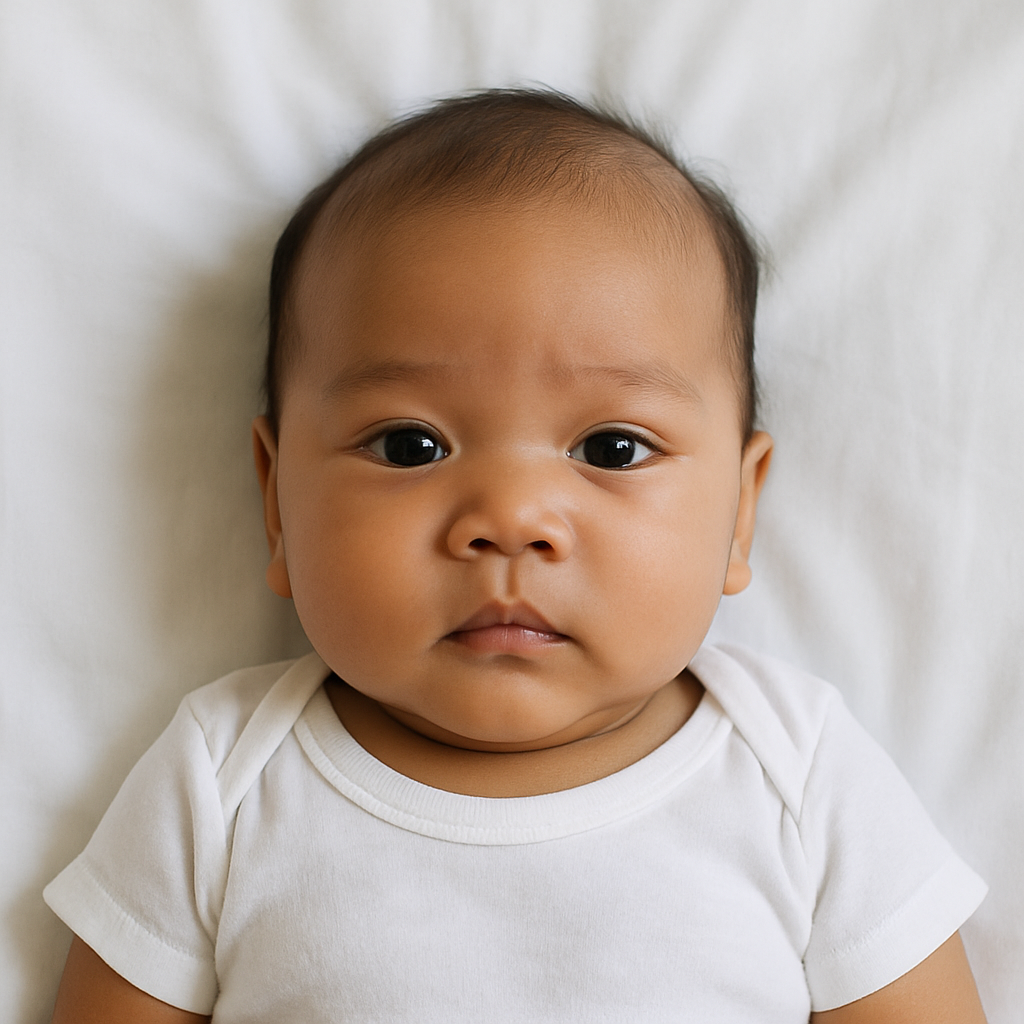
Getting a passport for a baby sounds simple. Tiny human. Tiny photo. Done, right? Not quite. If anything, baby passport photos are trickier than adult ones. Infants don’t sit still. They blink. They cry. They decide - at the exact worst moment - that today is the day they absolutely refuse to cooperate. And Philippine passport rules? They’re specific. Very specific. For parents applying in 2026, understanding the latest baby passport photo requirements Philippines can save time, money, and a surprising amount of stress. Let’s break it down clearly, honestly, and without the robotic fluff.
Why Baby Passport Photos Get Rejected
Here’s a hot take: most rejected applications happen because people assume baby rules are “more relaxed.” They’re not. The Department of Foreign Affairs (DFA) in the Philippines follows strict biometric standards. Even infants must meet technical photo requirements. The only difference? Babies don’t need to maintain a neutral expression in the same way adults do. Common reasons photos get rejected include:
- Shadows behind the baby’s head
- Parent’s hands visible in the frame
- Baby wearing headbands or accessories
- Incorrect background color
- Improper size or cropping
- Low image resolution
Sounds minor. But these tiny details matter.
Official Baby Passport Photo Requirements Philippines 2026
Let’s get specific. As of 2026, the DFA requires the following for infant passport photos:
1. Photo Size and Dimensions
- Size: 2 x 2 inches (51mm x 51mm)
- Head must occupy 70% to 80% of the photo
- Full face visible and centered
- No cropping of head or chin
Precision matters here. Too zoomed out? Rejected. Too close? Also rejected.
2. Background Requirements
The background must be:
- Plain white
- Free from texture or patterns
- Shadow-free
- No visible objects
White bedsheets sometimes work - but only if smooth and evenly lit. Wrinkles create shadows. Shadows create problems.
3. Baby’s Expression and Eyes
This is where it gets interesting. For infants:
- Eyes should be open if possible
- No heavy shadows covering eyes
- Neutral expression preferred
- No exaggerated crying faces
That said, slight expressions are tolerated for babies. The key is that the face must be clearly visible and recognizable.
4. Head Position
The baby’s head must:
- Face the camera directly
- Not tilt sideways
- Not be turned left or right
- Be upright and centered
Imagine a straight vertical line running through the nose and chin. That alignment should feel balanced.
5. Clothing Rules
Dress the baby simply. Recommended:
- Light-colored clothes
- Plain outfits without patterns
- No uniforms
Avoid:
- Headbands
- Hats
- Hair clips covering face
- Pacifiers
Even cute accessories can cause rejection. Yes, even the adorable bow.
Can Parents Hold the Baby in the Photo?
Short answer: technically yes. But their hands cannot be visible. Most parents place the baby on a white sheet or use a car seat covered with white fabric. If holding the child, make sure hands stay outside the frame. No fingers sneaking into the edge. The photo must show only the baby. No exceptions.
Lighting Requirements for Infant Passport Photos
Lighting makes or breaks the shot. Here’s what works best:
- Natural daylight near a window
- No direct flash creating glare
- Even lighting on both sides of the face
- No red-eye
Think of light like water. It should flow evenly across the baby’s face - not splash harshly on one side and disappear on the other. Shadows under the chin? Problem. Shadow behind the head? Problem. Overexposed forehead? Also a problem.
Digital vs Printed Baby Passport Photos
Many DFA branches capture photos on-site during appointments. However, for some applications or renewals, printed photos may still be required. If submitting printed copies:
- Use high-quality photo paper
- No matte finish that dulls detail
- No creases or stains
- Print in high resolution (at least 600 dpi recommended)
For digital uploads, file clarity matters. Blurry images get rejected quickly. This is why many parents now use specialized services like BabyPassportMaker.com. It adjusts background, size, alignment, and formatting automatically according to Philippine standards. If you ask me, that removes about 80% of the stress.
Step-by-Step Guide to Taking a Baby Passport Photo at Home
Yes, it’s possible. And yes, it requires patience. Here’s a practical approach:
Step 1 - Prepare the Setup
Lay a smooth white sheet on a flat surface. Remove wrinkles. Position near natural light.
Step 2 - Dress the Baby Simply
Choose a plain outfit. Comb hair away from the face.
Step 3 - Position Carefully
Lay the baby flat or seat upright with full head support. Keep the camera directly above or directly in front.
Step 4 - Take Multiple Shots
Don’t aim for one perfect image. Take 20. Maybe 40. Babies blink fast.
Step 5 - Check Technical Details
Zoom in. Are both eyes visible? Is the head centered? Any shadows? Any fingers in frame? Small details matter.
What Makes Baby Passport Photos Different from Adult Ones?
It’s not just size. Adults can follow instructions. Babies operate on mystery rules. Unlike adult passport requirements Philippines, infants:
- May have slightly relaxed expression standards
- Don’t need closed mouths if natural
- Can be photographed lying down
But biometric compliance still applies. Facial features must be clear and unobstructed. The system scans for symmetry and proportion. It’s almost like facial mapping technology drawing invisible lines across the image. If the proportions are off, the system notices.
How to Avoid Delays in 2026
Passport processing timelines can stretch, especially during peak travel seasons. To avoid delays:
- Book DFA appointments early
- Double-check photo compliance
- Bring extra printed copies
- Verify updated 2026 regulations before submission
One rejected photo can mean rescheduling. That means more waiting. And if travel plans are involved, that waiting feels longer than it actually is.
Special Situations - Newborns and Medical Conditions
Newborn babies often struggle to keep eyes open. In some cases, slight eye closure may be tolerated for very young infants. For medical head coverings:
- Doctor’s certification may be required
- Face must remain fully visible
- No shadow obstruction allowed
Religious head coverings follow similar rules - full facial visibility is mandatory.
Is Professional Photography Necessary?
Honestly? Not always. But expertise helps. Professional studios understand lighting and framing. However, many don’t specialize in baby passport photo Philippines standards specifically. That’s where online passport photo tools become practical. The real question is this: do parents want convenience or trial-and-error frustration? Because babies rarely cooperate twice.
Final Thoughts on Baby Passport Photo Requirements Philippines 2026
Getting a passport for an infant isn’t complicated - it’s precise. There’s a difference. Precision means paying attention to:
- Correct dimensions
- Plain white background
- Proper lighting
- Centered head position
- No accessories
Miss one detail and the entire process stalls. But get it right? Smooth approval. Faster processing. Less stress. And for parents already juggling diapers, feeding schedules, and unpredictable naps, reducing friction anywhere feels like a win. The 2026 requirements aren’t meant to make things difficult. They exist for biometric security and global travel compliance. Still. A little preparation goes a long way. Take your time. Check every detail. And if needed, use tools designed specifically for baby passport standards. Because when that tiny passport arrives - crisp, official, surprisingly adorable - it marks the beginning of something bigger than paperwork. It’s the first step toward a child’s first journey. That’s worth getting right.