Baby Passport Photo Requirements Philippines 2026
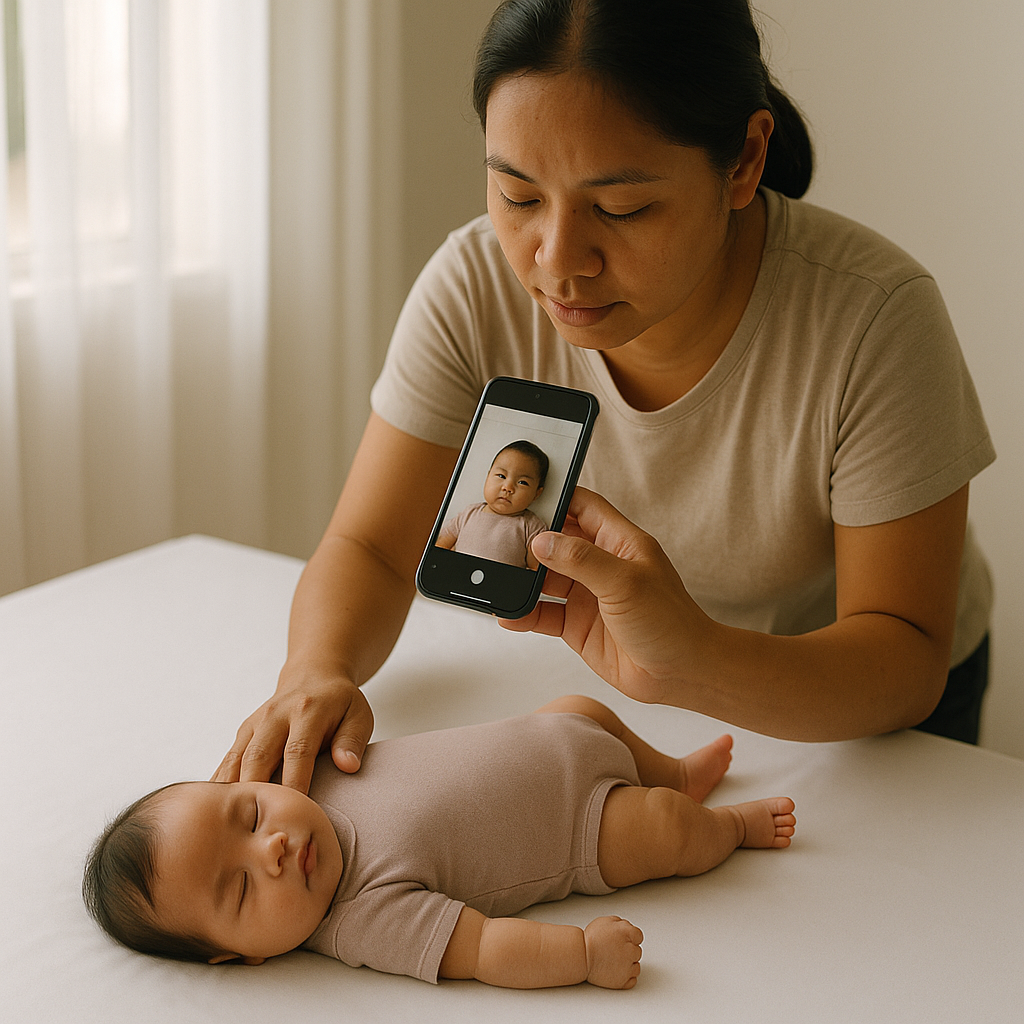
Applying for a passport is already a test of patience. Applying for a baby passport? That’s a whole different sport. Parents across the Philippines are discovering that baby passport photo requirements in 2026 are stricter, clearer, and surprisingly unforgiving. A tiny shadow in the wrong place. A slightly tilted head. Eyes not fully open. Rejected. Sounds dramatic? It happens more often than people think. This guide breaks down everything parents need to know about baby passport photo requirements in the Philippines for 2026 - in plain language, without the legal jargon.
Why Baby Passport Photos Are So Strict in 2026
If you ask immigration officers, consistency equals security. Passport photos today aren’t just pictures. They’re biometric data. Think of it like facial recognition on a smartphone. If the system can’t clearly map the face, it simply won’t unlock. The same logic applies to passports. In 2026, the Department of Foreign Affairs continues to enforce international ICAO standards. That means even babies must meet specific technical guidelines. No exceptions just because they’re cute.
Official Baby Passport Photo Requirements Philippines 2026
Here’s what parents must follow:
1. Photo Size
- 35mm x 45mm (standard passport size) - Head height must be between 32mm and 36mm - Full face centered in frame Precision matters here. Cropping too tight or too loose can lead to rejection.
2. Background
- Plain white background - No patterns - No shadows - No textures The background should look like a clean sheet of paper, not a bedroom wall.
3. Baby’s Expression
This is where things get tricky. - Eyes open (as much as possible) - Mouth closed - Neutral expression - Looking straight at camera Now, does a 4-month-old understand "neutral expression"? Of course not. But the photo must capture a calm, forward-facing moment.
4. No Props Allowed
- No toys - No pacifiers - No feeding bottles - No hands visible (including parent’s hands) This is one of the biggest reasons photos get rejected. Parents sometimes hold the baby for support, and a fingertip sneaks into the frame. Instant redo.
5. Clothing Guidelines
- No white tops (they blend with the background) - No uniforms - No headbands covering forehead - No hats or bonnets Simple, solid-colored clothing works best.
6. Lighting Requirements
- Even lighting across the face - No shadows behind the head - No red-eye - Natural skin tone Lighting can make or break a passport photo. Too harsh, and the face looks washed out. Too dim, and it appears grainy.
Common Reasons Baby Passport Photos Get Rejected
Here’s a hot take - most rejections happen because parents assume "close enough" is good enough. It isn’t. Top mistakes in 2026: 1. Baby looking sideways 2. Eyes partially closed 3. Parent’s hand visible 4. Background not pure white 5. Photo edited with heavy filters 6. Incorrect head size proportion Even subtle editing to "brighten" the image can trigger a rejection if it alters natural skin tone.
Can Babies Lie Down for Passport Photos?
Yes - but carefully. Some parents lay their baby on a white sheet and take the photo from above. This is allowed if: - The sheet is smooth and shadow-free - No wrinkles are visible - Lighting is even - Baby’s head is straight But here’s the catch - many home setups accidentally create soft shadows around the ears or neck. And those shadows? They count.
Taking Baby Passport Photos at Home vs Studio
Parents usually debate between two options:
Professional Studio
Pros: - Controlled lighting - Proper measurements - Immediate printing Cons: - Expensive - Baby may cry in unfamiliar setting
DIY at Home
Pros: - Comfortable environment - Multiple attempts allowed - Cost-effective Cons: - Easy to miss technical rules - Higher rejection risk Honestly, many families now choose online services that specialize in passport compliance. One trusted option is BabyPassportMaker.com, which adjusts photos to meet official Philippine passport standards for 2026. It simplifies sizing, background correction, and formatting - without over-editing. For parents who value convenience, that can be a lifesaver.
Tips for Getting the Perfect Baby Passport Photo
Timing is everything. Here are practical strategies that actually work: - Take the photo after feeding when baby is calm - Use natural daylight near a window - Avoid flash if possible - Place baby on a firm white surface - Take multiple shots - at least 20 - Choose the clearest, most centered image Patience matters more than equipment. One well-timed second can make the difference between approval and a second appointment at DFA.
New Updates for 2026
While the core rules remain consistent, 2026 enforcement is noticeably stricter regarding: - Digital alterations - Head size ratio accuracy - Background consistency Automated systems now flag inconsistencies faster than manual reviewers ever did. That means "it looks fine to me" is no longer enough.
Frequently Asked Questions
Do newborns need eyes fully open?
As open as possible. Slightly relaxed eyelids may pass, but fully closed eyes will not.
Can babies smile?
A soft expression is fine. A wide grin with visible gums? Likely rejected.
Can parents crop the photo themselves?
Yes, but measurements must be exact. Incorrect proportions are one of the top reasons for rejection.
How recent must the photo be?
Within the last six months.
Final Thoughts on Baby Passport Photo Requirements Philippines 2026
Getting a baby passport photo approved feels a bit like catching lightning in a bottle. The baby needs to be calm. The lighting needs to cooperate. The background must behave. But once parents understand the exact requirements, the process becomes manageable. Clear white background. Correct size. Neutral expression. No visible hands. No editing tricks. That’s the formula. And while the rules may feel strict, they exist to ensure international travel security remains smooth and standardized. For families planning trips abroad in 2026, preparing the passport photo correctly the first time saves time, stress, and unnecessary DFA return visits. Because when travel day finally arrives, the last thing anyone wants to think about is a rejected baby photo. Preparation today means smoother boarding tomorrow.