Baby Passport Photo Requirements Philippines 2026
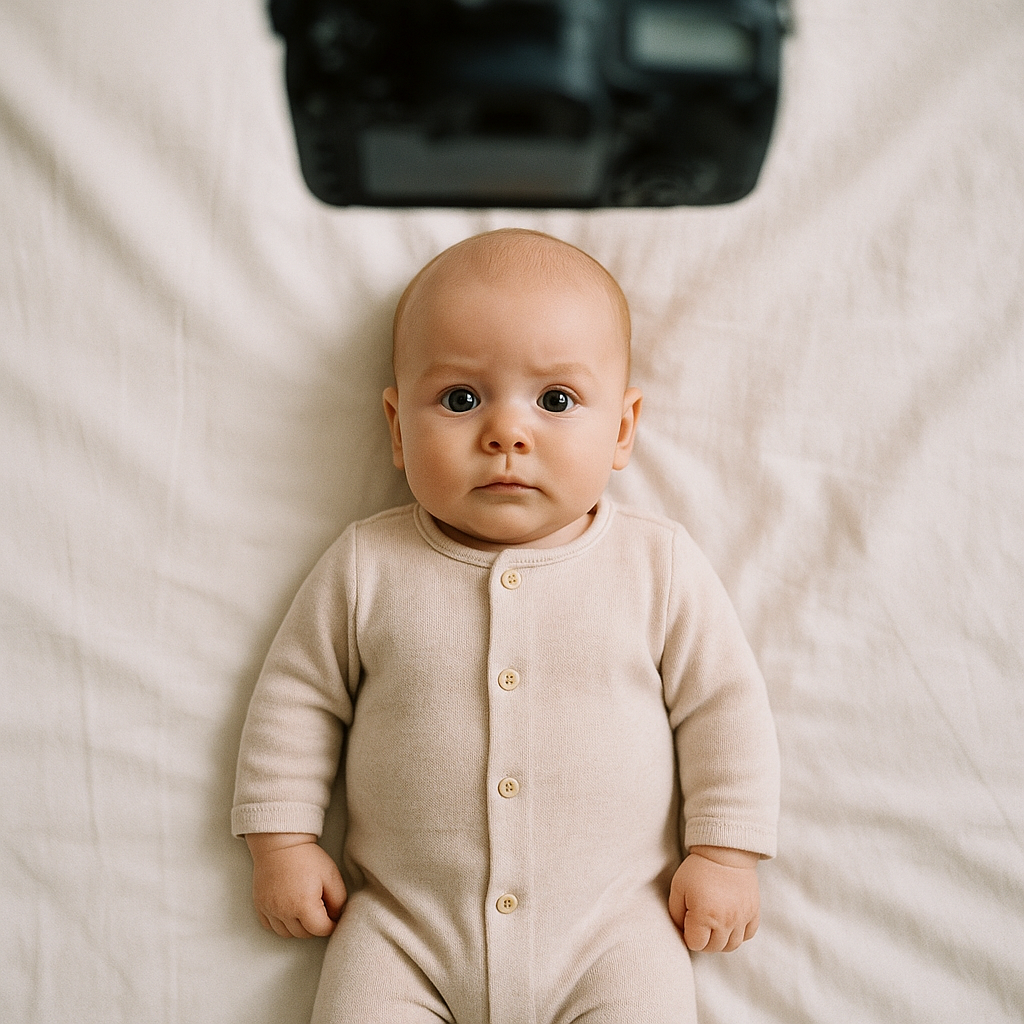
Traveling with an infant sounds dreamy - tiny socks, first plane ride, adorable airport photos. Then reality taps you on the shoulder. Paperwork. Appointments. And yes, that deceptively tricky passport picture. Anyone who has tried to photograph a wiggly six-month-old knows the struggle. One second they are calm. The next? Full ninja mode. If you’re applying for an infant travel document this year, understanding the baby passport photo requirements Philippines 2026 is not optional. It’s critical. A small mistake can mean rejection, delays, and another round of stress no parent asked for. Let’s break it down clearly - and honestly.
Why Baby Passport Photos Get Rejected
Here’s a hot take: most rejections happen because parents assume the rules are flexible for infants. They’re not. The Department of Foreign Affairs (DFA) applies strict standards, even for newborns. The system doesn’t care if your little one can’t hold their head up yet. Common rejection reasons include: - Shadows behind the head - Visible hands from a parent holding the child - Baby not facing the camera directly - Eyes closed - Incorrect background color - Wrong photo size Sounds simple, right? Yet these tiny details trip people up every single day.
Official Baby Passport Photo Requirements Philippines 2026
Let’s get precise. These are the current standards parents must follow in 2026.
1. Photo Size and Dimensions
The image must be: - 2 x 2 inches (51mm x 51mm) - Recent - taken within the last 6 months - Printed on high-quality photo paper The head should occupy roughly 70% to 80% of the frame. Not too small. Not zoomed in excessively. Think of it like framing a portrait painting - balanced, centered, intentional.
2. Background Rules
Plain white background only. Not cream. Not off-white. Not patterned curtains. Pure white. No shadows. No texture. No visible edges of pillows or blankets. Pro tip? Lay the infant flat on a white sheet if needed - but make sure there are no wrinkles casting gray lines behind the head.
3. Facial Expression
Neutral expression. Now, expecting a baby to look serious is slightly ambitious. But here’s what’s required: - Eyes open (if the child is older than a few weeks) - Mouth closed - No exaggerated facial expressions Smiles are technically allowed if natural and subtle. Wide open mouth laughter? That’s where rejection becomes likely.
4. Head Position
The head must be centered and facing directly at the camera. No tilting. No turning. No leaning. Both ears should ideally be visible. The chin cannot be tucked down too far. The face must be fully visible from forehead to chin. It’s like taking a mini ID photo - but with someone who doesn’t understand instructions.
5. Clothing Guidelines
Keep it simple. - Avoid white outfits (they blend into the background) - No hats - No headbands covering the forehead - No pacifiers Religious head coverings are allowed, but they cannot obscure facial features.
Can Parents Hold the Baby?
Technically, yes - but the parent must not be visible in the photo. That means: - No hands showing - No shoulders - No fingers supporting the neck Many rejections happen because a tiny fingertip sneaks into the frame. A safer approach? Lay the infant flat on a white surface and shoot from above. It feels awkward at first. But it works.
Lighting Matters More Than You Think
Lighting can make or break the image. Too dark? Rejected. Too bright? Washed out. Shadow under the chin? Rejected. Natural daylight near a window works beautifully. Avoid harsh overhead lighting that creates deep shadows under the eyes. Think soft, even illumination - like a cloudy morning glow.
Digital vs Printed Photos
For online passport applications, digital copies must meet strict file standards: - High resolution - No filters - No editing enhancements - Clear focus For printed submission: - Use professional-quality photo paper - No creases - No marks or ink streaks This isn’t the time for Instagram edits. No smoothing. No color correction. Keep it real.
DIY vs Professional Service
Here’s where parents hesitate. Should they attempt it at home? Or use a professional passport photo service? DIY works if you: 1. Have good lighting 2. Understand framing rules 3. Can edit for size - without altering features 4. Stay patient And patience is the real currency here. On the other hand, many families prefer using tools designed specifically for compliance. Platforms like BabyPassportMaker.com help adjust photos to meet official standards for infant passport photos in the Philippines. It removes the guesswork. And frankly, it reduces stress. If you ask most seasoned parents, they’ll tell you - fewer retakes equals fewer headaches.
Special Considerations for Newborns
Newborns present unique challenges. They can’t hold their heads up. They fall asleep mid-session. They move unpredictably. The DFA understands some flexibility for very young infants, especially regarding eye openness. However, the face must still be fully visible. Helpful setup tips: - Lay baby on a firm white mattress cover - Position camera directly above - Use burst mode to capture multiple frames quickly - Choose the clearest image afterward It may take 20 shots to get one usable photo. That’s normal.
Step-by-Step Guide to Getting It Right the First Time
Let’s make this practical.
Step 1 - Prepare the Background
Ensure it’s plain white and evenly lit.
Step 2 - Dress the Infant Properly
Choose darker clothing with no distracting prints.
Step 3 - Position Correctly
Head centered. Face forward. No visible support.
Step 4 - Check Lighting
Remove shadows. Adjust angle if necessary.
Step 5 - Review Carefully
Zoom in. Look for stray fingers. Check alignment.
Step 6 - Resize and Print
Ensure exact 2 x 2 inch format before submission. Skipping even one step increases the chance of rejection.
How Long Is a Baby Passport Valid in the Philippines?
For minors, Philippine passports are typically valid for 5 years. That means this tiny picture - taken during diaper days - becomes part of official identity records for half a decade. Kind of wild, right?
Common Myths About Baby Passport Photos
Let’s clear up a few misunderstandings. Myth #1 - "Babies can smile widely." Not exactly. Subtle is safer. Myth #2 - "A light blue background is fine." No. It must be white. Myth #3 - "Editing brightness is okay." Minor exposure correction might pass, but heavy adjustments can lead to rejection. Myth #4 - "Any photo booth works." Not always. Many booths aren’t optimized for infants.
Final Thoughts on Baby Passport Photo Requirements Philippines 2026
Getting a compliant infant passport photo feels like assembling furniture without instructions. It looks simple on paper. In practice? A small adventure. Still, understanding the baby passport photo requirements Philippines 2026 makes everything smoother. When parents follow size rules, background standards, and facial guidelines carefully, approval becomes far more likely. And once that passport is issued, something shifts. The world feels a little bigger. A little more possible. All because of one small - perfectly aligned - photograph.