Baby Passport Photo Requirements Philippines 2026
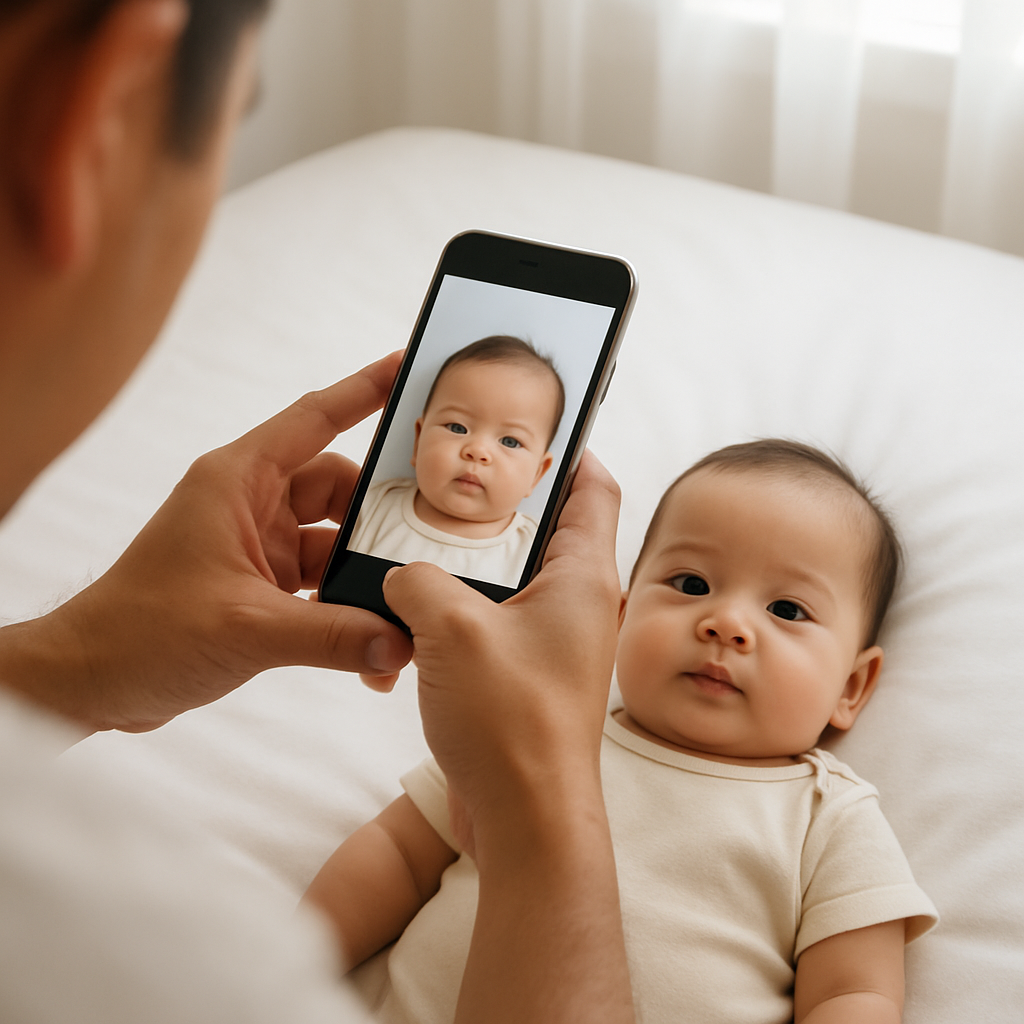
Getting a passport photo for a baby sounds easy. Just snap a picture, right? Not quite. Parents in the Philippines quickly learn that baby passport photo requirements are surprisingly strict. One tiny shadow. A slightly open mouth. A hint of a smile. Rejected. And nobody wants to line up again at the DFA because of a photo issue. This guide breaks down everything parents need to know about baby passport photo requirements Philippines 2026 - in plain language. No confusing legal talk. Just the real stuff that matters.
Why Baby Passport Photos Are So Strict
It might feel excessive. After all, it’s just a baby. But passport photos are biometric identifiers. They’re not cute keepsakes. They’re security documents. Governments use facial recognition technology to match the photo with the passport holder over time. That means even infants need:
- Clear facial visibility
- Neutral expression
- Proper lighting
- Correct dimensions
Sounds simple? Try getting a six-month-old to cooperate.
Official Baby Passport Photo Requirements Philippines 2026
Let’s break it down into specifics so there’s zero confusion.
1. Photo Size and Dimensions
The standard Philippine passport photo size is:
- 4.5 cm x 3.5 cm
- White background
- Recent photo - taken within the last 6 months
The baby’s head must be centered and occupy a specific portion of the frame. Not too small. Not zoomed in like a passport mugshot. Think balanced. Clean. Symmetrical.
2. Background Rules
The background must be plain white. Not off-white. Not cream. Not light gray. Pure white. No patterns. No texture. No shadows. No blankets with faint prints. Parents often try laying their baby on a sheet - and it works - if the sheet is smooth and wrinkle-free. Wrinkles create shadows. Shadows cause rejection.
3. Baby’s Facial Expression
Here’s where things get tricky. The baby must:
- Look straight at the camera
- Keep eyes open
- Have a neutral expression
- Keep mouth closed
No smiling. No crying. No tongue out. Yes, even for newborns. Of course, slight natural expressions are sometimes tolerated for infants. But anything exaggerated? Risky.
4. Head Position and Visibility
The head must face forward. No tilting. No leaning. No looking sideways. Both ears don’t necessarily need to show fully for babies, but the face must be completely visible. Important:
- No hands in the frame
- No parent fingers supporting the head
- No toys
- No pacifiers
If a parent’s hand appears in the image, even slightly, the photo will likely be rejected.
5. Clothing Rules
Dress the baby in simple clothing. Avoid white tops - they blend into the background. Choose soft colors that contrast gently with white. No hats. No headbands. No large bows. No accessories. Religious head coverings are generally not allowed for infants in Philippine passport photos unless officially justified.
6. Lighting Requirements
Lighting should be even and natural. No harsh shadows under the chin. No bright reflections on the forehead. No red-eye. Natural daylight near a window often works best. Flash photography? Risky if it creates glare. Think soft, balanced light - like a cloudy morning.
Common Reasons Baby Passport Photos Get Rejected
Honestly, rejection happens more often than people think. Here are the top reasons:
- Shadow behind the head
- Parent’s hand partially visible
- Baby looking sideways
- Mouth open
- Wrinkled background
- Incorrect crop size
- Low image resolution
It only takes one small mistake. And once rejected, it means retaking the photo and possibly rescheduling DFA processing. Nobody enjoys that.
How to Take a Baby Passport Photo at Home
Some parents choose professional studios. Others prefer DIY. Taking it at home is absolutely possible - if done correctly. Here’s a simple approach:
Step-by-Step Method
- Lay a clean white sheet flat on a bed or floor.
- Place the baby on their back.
- Stand directly above the baby.
- Use natural daylight.
- Take multiple shots - at least 20.
Why so many photos? Because babies blink. They wiggle. They sneeze at the exact wrong second. More shots mean better odds of getting the perfect one.
Should Parents Use an Online Baby Passport Photo Service?
Here’s a practical thought. Instead of guessing about dimensions, cropping, and compliance, many parents now use specialized services like BabyPassportMaker.com. These services:
- Automatically resize the image
- Adjust background to proper white
- Ensure correct head positioning
- Check compliance with Philippine passport standards
It’s like having a passport photo expert quietly fixing everything behind the scenes. For busy parents juggling bottles, naps, and paperwork, that convenience matters.
Tips for Getting the Perfect Shot
Small adjustments make a huge difference. Here are practical tips that actually work:
- Take the photo after feeding - baby is calmer
- Remove bulky clothing
- Make sure hair isn’t covering the eyes
- Keep the room quiet to help baby focus forward
- Use burst mode on your camera
Timing is everything. A well-rested infant cooperates more than an overtired one. Simple. But powerful.
Newborn vs. Older Baby - Is There a Difference?
Yes. Slightly. Newborns may have limited neck control. In these cases, laying them flat is acceptable. Older babies who can sit must still follow the same neutral pose guidelines. Regardless of age, the core requirements stay the same:
- Clear face
- White background
- Proper lighting
- Correct size
No exceptions.
Digital Submission vs. Printed Photos
For Philippine passports, photos are usually captured at the DFA during appointment. However, certain cases - such as renewals or special processing - may require pre-submitted photos. Always verify with the latest DFA guidelines before appointment day. Requirements can shift slightly year to year. Staying updated avoids unnecessary stress.
Final Thoughts on Baby Passport Photo Requirements Philippines 2026
Getting a compliant baby passport photo in the Philippines isn’t complicated - but it demands precision. It’s a bit like baking. Miss one ingredient, and the whole thing flops. Parents who understand the exact requirements:
- Save time
- Avoid rejection
- Reduce stress
- Speed up passport approval
And really, when dealing with official documents, accuracy beats guesswork every single time. With the right lighting, proper positioning, and attention to detail - plus tools like BabyPassportMaker.com if needed - parents can confidently handle baby passport photo requirements Philippines 2026 without the drama. Because let’s be honest. Travel plans are exciting. Redoing paperwork? Not so much.