Baby Passport Photo Requirements Philippines 2026
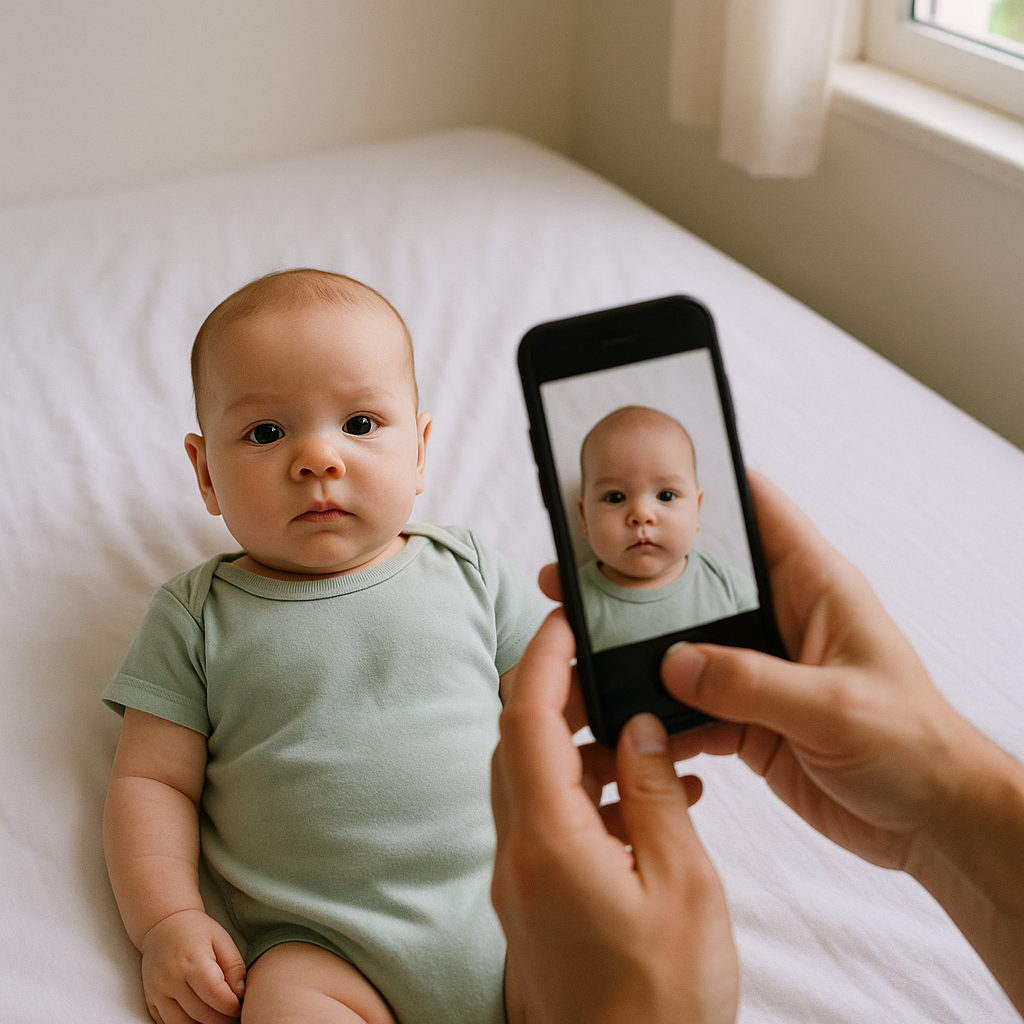
Planning a trip abroad with an infant sounds adorable in theory. Tiny outfits. Mini luggage. First airport photo. Then reality kicks in - paperwork, lines, government forms, and yes, the all-important passport photo. If you are applying for a Philippine passport for an infant in 2026, you cannot treat the photo like a casual snapshot. The Department of Foreign Affairs (DFA) follows strict technical standards. One tiny mistake? Rejection. And nobody enjoys repeating the process with a restless little one. This guide breaks down the updated baby passport photo requirements in the Philippines for 2026 - clearly, simply, and without the usual bureaucratic fog.
Why Baby Passport Photos Are Surprisingly Strict
Here’s a hot take: passport photos are less about aesthetics and more about security technology. Biometric systems read facial structure like a barcode. Shadows, tilts, unclear eyes - they interfere with digital scanning. That’s why even infants must meet very specific standards. Sounds intense for a newborn, right? Maybe. But consistency keeps the system secure. And in 2026, compliance matters more than ever.
Official Baby Passport Photo Requirements Philippines 2026
Let’s get straight to the technical checklist.
1. Photo Size and Dimensions
For Philippine passports, the photo must be:
- Size: 35mm x 45mm
- Full color
- Printed on high-quality photo paper
- Recent - taken within the last 6 months
The face must occupy about 70-80% of the frame. Too zoomed in? Rejected. Too small? Also rejected. Precision matters.
2. Background Requirements
The background must be:
- Plain white
- No patterns
- No shadows
- No textures or gradients
A wall that looks white but has subtle shadows can cause problems. Lighting should be even and soft. Think studio clarity - not living room at 7 PM.
3. Baby’s Facial Expression
This one makes parents laugh. Infants do not follow instructions. Obviously. Still, the photo must show:
- Eyes open
- Neutral expression
- Mouth closed if possible
- Looking directly at the camera
No crying. No wide-open laughing mouth. No sideways glance. Is perfection realistic? Not always. But the clearer and more neutral the expression, the better the approval chances.
4. Head Position and Framing
The head must be centered. Not tilted. Not resting sideways. Not leaning forward. Both ears should be visible if possible. Chin visible. No cropping at the top. If you ask most parents what’s hardest, it’s this. Babies love to wiggle like they’re training for a gymnastics competition.
5. Clothing Rules
Keep it simple.
- No white tops (it blends into the background)
- No uniforms
- No distracting patterns
- No hats or headbands unless for religious reasons
Small earrings are generally acceptable, but bulky accessories are not recommended. Minimal is best.
6. No Visible Hands or Objects
This is critical. Parents often hold the infant during the photo. That’s allowed - but hands must not appear in the frame. No fingers supporting the head. No visible arms. No pacifiers. No toys. No blankets covering part of the face. Just the child. Clear and unobstructed.
Common Reasons Baby Passport Photos Get Rejected
Rejections happen more often than people think. Here are the most frequent issues:
- Shadows behind the head
- Blurry image due to movement
- Incorrect size ratio
- Face not centered
- Eyes partially closed
- Visible parent’s hand
It’s usually not dramatic errors. It’s tiny technical flaws. Like baking. The cake looks fine - but you forgot baking powder. Small detail. Big consequence.
Can You Take a Baby Passport Photo at Home?
Yes. Absolutely. Many parents now skip expensive studio visits and use digital tools instead. With good lighting, a smartphone camera, and patience, home photos can meet DFA standards. The trick? Preparation. Here’s a simple step-by-step approach:
How to Take a Baby Passport Photo at Home
- Lay the infant on a plain white sheet placed flat on the floor.
- Stand directly above and shoot from a centered angle.
- Use natural daylight near a window.
- Avoid flash to reduce shadows.
- Take multiple shots - at least 10 to 15.
You won’t get the perfect one on the first try. That’s normal. If editing and resizing feel intimidating, online services simplify the process. Platforms like BabyPassportMaker.com help adjust background, size, and alignment according to Philippine passport photo rules. It saves time - and honestly, stress.
Special Considerations for Newborns
Newborn applications have slight flexibility. For example:
- Minor mouth opening may be accepted
- Facial neutrality is more flexible
- Eye direction may not be perfectly centered
However, the core technical standards still apply. Size, background, and clarity remain non-negotiable. The DFA prioritizes identification clarity above all.
DFA Appointment and Photo Capture - Do You Need to Bring One?
Here’s where confusion creeps in. For regular Philippine passport applications, the DFA often captures the photo onsite. But for infants and special circumstances, guidelines can vary depending on location and system updates. It’s wise to:
- Check the official DFA website before booking
- Confirm whether external photos are required
- Bring compliant prints just in case
Better prepared than turned away.
Quick Checklist Before Printing
Pause before hitting print. Run through this:
- Correct dimensions - 35mm x 45mm
- White background
- No shadows
- Face centered
- Eyes open
- No visible hands
- Recent photo
If everything checks out, you’re good.
How Long Is a Baby Passport Valid?
As of 2026, Philippine passports for minors are valid for 5 years. That means this photo stays in official records for half a decade. A clear image now avoids identity complications later. Think long term.
Final Thoughts on Baby Passport Photo Requirements Philippines 2026
Applying for an infant’s passport isn’t complicated - it’s detailed. Tiny details matter. Lighting matters. Positioning matters. Background matters. But it’s manageable. With preparation, patience, and the right tools, parents can meet Philippine passport photo requirements without unnecessary frustration. Whether choosing a professional studio or using a digital solution like BabyPassportMaker.com, the key is following the guidelines precisely. Because when the paperwork is approved and the passport arrives, something shifts. That small booklet becomes a ticket to first trips, family reunions abroad, maybe even a future the child hasn’t imagined yet. All starting with one small, perfectly aligned photo.