Baby Passport Photo Requirements Philippines 2026
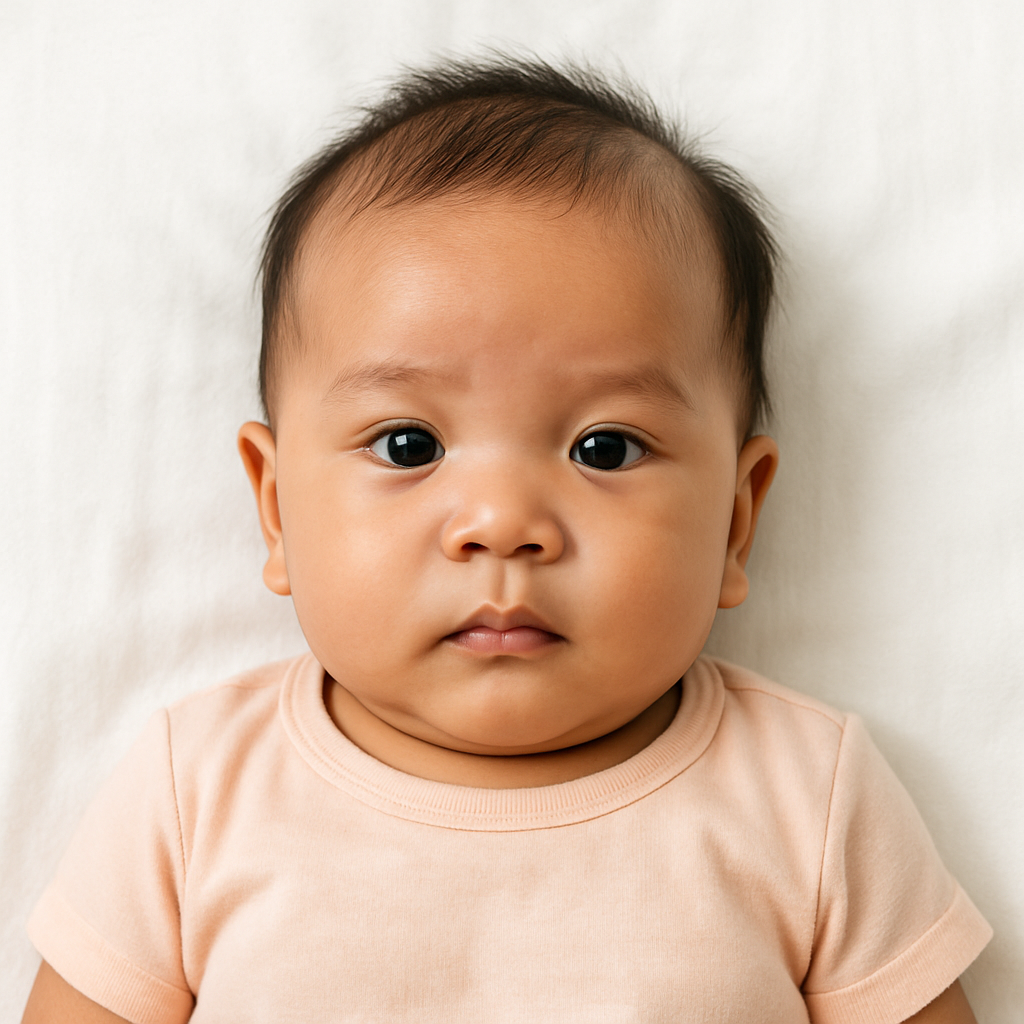
Getting a passport photo for a baby sounds simple. Just snap a cute picture, print it, submit it - done. Right? Not quite. In the Philippines, baby passport photo requirements in 2026 are stricter than most parents expect. One tiny shadow, a slight head tilt, or the wrong background shade can lead to rejection. And nobody wants to reschedule a DFA appointment because of a photo mishap. This guide breaks everything down clearly - no fluff, no confusing jargon. Just what parents actually need to know.
Why Baby Passport Photos Get Rejected
Here’s a hot take: most rejected photos aren’t terrible. They’re just slightly off. Philippine passport standards follow ICAO biometric guidelines. That means the photo must meet international facial recognition standards. Even babies are not exempt. Common rejection reasons include:
- Incorrect photo size
- Shadows on the face or background
- Baby not facing the camera directly
- Visible hands supporting the child
- Wrong background color
- Blurry or low-resolution image
Sounds picky? It is. But it’s designed to protect identity integrity worldwide.
Official Baby Passport Photo Requirements Philippines 2026
Let’s get specific. Below are the updated requirements parents should follow.
1. Photo Size and Dimensions
The standard Philippine passport photo size is:
- 4.5 cm x 3.5 cm
- Head height must occupy 70% to 80% of the frame
- Head centered with equal spacing on both sides
No cropping guesswork. Precision matters.
2. Background Requirements
The background must be:
- Plain white
- No patterns
- No textures
- No shadows
A wrinkled white bedsheet? Risky. It often creates uneven lighting and subtle shadows that cameras exaggerate.
3. Facial Expression and Position
Yes, even babies must comply. Requirements include:
- Eyes open and visible
- Mouth closed
- Neutral expression
- Facing the camera directly
- No head tilting
Now, let’s be realistic. Getting a newborn to cooperate can feel like negotiating with a tiny, unpredictable CEO. Timing is everything. Photos taken when the baby is calm and alert usually work best.
4. Clothing Guidelines
Keep it simple.
- Avoid white clothing - it blends into the background
- No uniforms
- No hats or headbands
- No visible accessories
If the baby wears prescription glasses - which is rare but possible - they must be removed.
5. Lighting Standards
Lighting should be:
- Even
- Soft
- Free from glare
- Free from red-eye
Natural daylight near a window works beautifully. Direct flash? That’s where shadows creep in.
Special Considerations for Newborns
Newborn passport photos come with unique challenges. They can’t sit upright. They can’t follow instructions. And they definitely don’t care about international travel compliance. Here’s what’s allowed:
- Baby may lie on their back on a white surface
- Parent’s hands must not be visible
- No pacifiers
- No toys in frame
Some parents place a white blanket over a flat mattress and photograph from above. That can work - as long as lighting remains even and no shadows appear around the head.
Digital vs Printed Photos - What’s Required?
For DFA passport applications in the Philippines, biometrics are usually captured onsite. However, certain cases - especially for infants - may require pre-prepared photos depending on location and appointment type. If printed photos are requested:
- Use high-quality photo paper
- Ensure accurate color reproduction
- No filters or editing enhancements
If digital submission is required:
- High resolution
- JPEG format
- Clear, sharp image
Editing apps that smooth skin or enhance brightness excessively? Avoid them. The image must reflect the baby’s natural appearance.
DIY vs Professional Services
Here’s the question many parents quietly ask: should they do it at home or use a professional service? Taking the photo yourself can work - if you understand lighting, framing, and biometric standards. But if you want less stress, a reliable online passport photo service simplifies everything. That’s where BabyPassportMaker.com comes in. This service helps parents generate compliant baby passport photos tailored to Philippine requirements. It automatically adjusts background, size, and alignment to meet standards. Instead of guessing whether the head ratio is correct, the platform handles technical adjustments. Honestly, that peace of mind can be worth it.
Step-by-Step Guide to Taking a Baby Passport Photo at Home
For parents determined to DIY, here’s a practical checklist.
Step 1 - Prepare the Space
Find a bright room with indirect natural light. Lay down a smooth white sheet on a flat surface.
Step 2 - Position the Baby
Lay the baby flat on their back. Ensure their head is straight and centered.
Step 3 - Check Lighting
Look for shadows under the chin or around the head. Adjust position if needed.
Step 4 - Take Multiple Shots
Take at least 20 photos. Yes, twenty. Babies blink. They wiggle. They frown unexpectedly.
Step 5 - Select the Best Image
Choose the clearest photo with open eyes and neutral expression.
Step 6 - Verify Dimensions
Resize according to 4.5 cm x 3.5 cm standards. Confirm correct head ratio. Sounds manageable? It can be. But it does require patience.
Common Mistakes to Avoid in 2026
Let’s save parents some frustration. Avoid these frequent errors:
- Using off-white or cream background
- Allowing visible shadows behind ears
- Submitting low-resolution phone screenshots
- Overediting brightness or contrast
- Allowing baby to smile widely or cry
A passport photo isn’t a keepsake portrait. It’s an identification tool. Think of it like a barcode for international travel - precision beats personality here.
How Long Is a Baby Passport Valid in the Philippines?
As of current regulations, Philippine passports for minors are typically valid for five years. That means today’s baby photo will represent them for half a decade. Incredible, right? In five years, that tiny face will look completely different. All the more reason to ensure the image is compliant from day one.
Final Thoughts on Baby Passport Photo Requirements Philippines 2026
Preparing a baby passport photo in the Philippines doesn’t have to feel overwhelming. The key is understanding the details - size, lighting, positioning, and background. When done correctly, the process is straightforward. When rushed, it becomes a headache. Parents who want full control can absolutely take the photo at home using the proper setup. Those who prefer a simpler route can rely on tools like BabyPassportMaker.com to handle formatting and compliance adjustments. Either way, the goal is the same. A clean. Clear. Approved passport photo that opens the door to future adventures. And honestly, isn’t that what this is all about?