Baby Passport Photo Requirements Philippines 2026
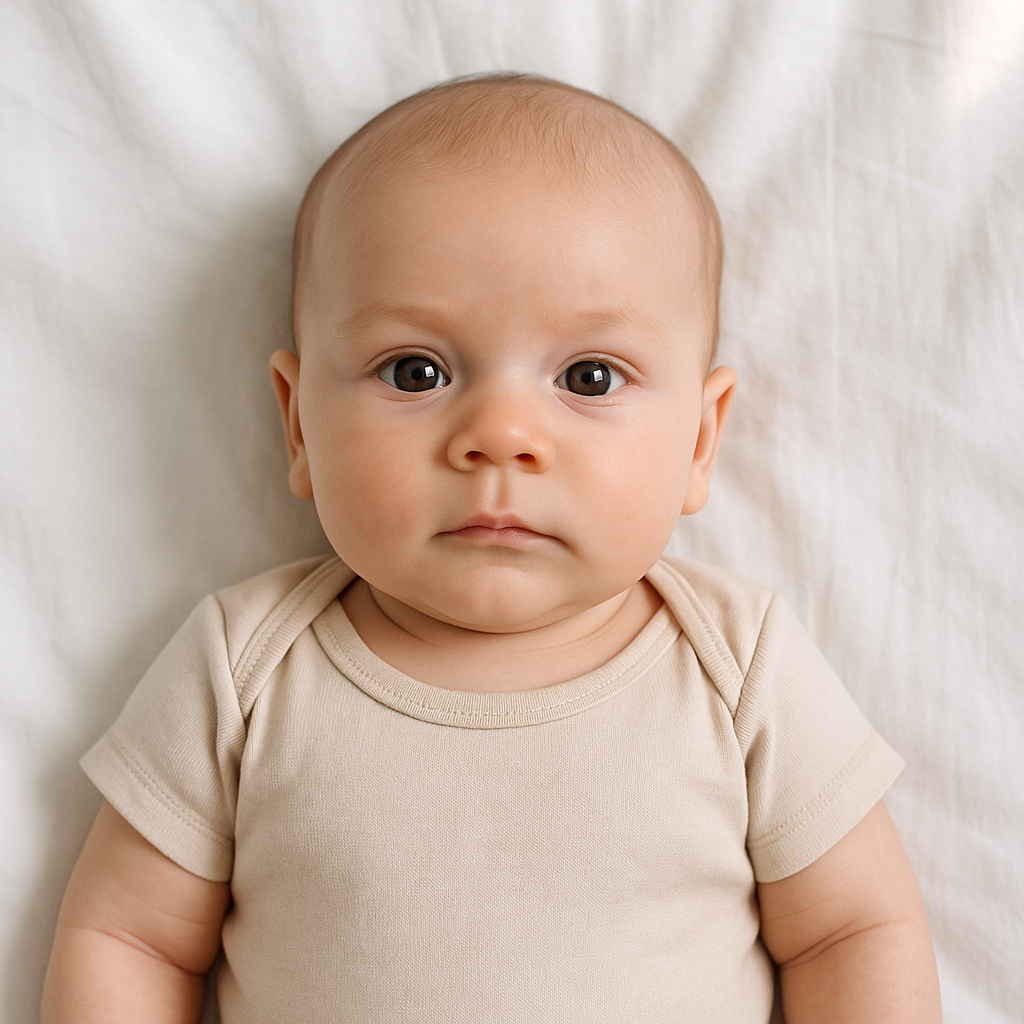
Applying for a baby passport in the Philippines sounds simple. Take a cute photo, submit documents, wait for approval. Easy, right? Not quite. Infant passport photos are surprisingly strict. The rules are specific, detailed, and sometimes a little unforgiving. One small mistake - a shadow, a tilted head, the wrong background - can send parents back to square one. This guide breaks down the baby passport photo requirements Philippines 2026 in plain language. No jargon. No fluff. Just what parents actually need to know.
Why Baby Passport Photos Are So Strict
The Philippine Department of Foreign Affairs (DFA) follows international biometric standards. That means even newborns must meet photo guidelines similar to adults. Why so serious for a tiny human? Because passports are legal identification documents. They use facial recognition technology. The system needs a clear, unobstructed view of the child’s face. Even if that face is only three weeks old. Think of it like scanning a barcode at the grocery store. If it’s blurry or covered, the scanner fails. Same idea here.
Official Baby Passport Photo Requirements Philippines 2026
Let’s get straight to the essentials.
1. Photo Size and Dimensions
The required size is:
- 4.5 cm x 3.5 cm
- Printed on high-quality photo paper
- In color
The image must be clear and sharp. No pixelation. No filters. No creative edits.
2. Background Requirements
This is where many applications fail. The background must be:
- Plain white
- Free of patterns
- No shadows
- No visible objects
A patterned blanket? Rejected. Cream wall with texture? Risky. Visible pillow edge? Not acceptable. Plain white. Period.
3. Baby’s Position and Expression
Here’s the tricky part. The infant must:
- Face the camera directly
- Have eyes open (if possible)
- Maintain a neutral expression
- Keep mouth closed
Now, anyone who has held a newborn knows this is... ambitious. For very young infants, slight leniency may apply regarding open eyes. However, the face must still be fully visible. No crying faces. No big grins. No mid-yawn snapshots.
4. No Obstructions
This rule is non-negotiable. The photo must show:
- Full face
- Both cheeks visible
- No hands covering face
- No pacifiers
- No toys
- No feeding bottles
Parents cannot appear in the image. That includes fingers supporting the head. If a hand is visible, the photo will likely be denied.
5. Head Coverings and Accessories
Babies cannot wear:
- Hats
- Headbands
- Hair accessories covering forehead
- Sunglasses
Religious head coverings may be allowed, but they must not hide facial features. Even the cutest bow? Save it for Instagram.
Lighting Guidelines for Infant Passport Photos
Lighting can make or break the photo. The image must have:
- Even lighting
- No harsh shadows
- No red-eye effect
- Natural skin tone
Overhead lighting often creates shadows under the chin. Flash can cause glare. Direct sunlight washes out features. Soft, indirect light works best. Think near a window with sheer curtains.
Common Reasons Baby Passport Photos Get Rejected
Parents often feel blindsided when photos are refused. The most common mistakes include:
- Incorrect photo size
- Background not fully white
- Visible parent support
- Baby looking sideways
- Shadows on the face
- Low-resolution printing
It doesn’t take much. A tiny shadow. A slightly tilted head. That’s enough.
DIY vs Professional Baby Passport Photo Services
Some parents attempt the DIY route. Lay the baby on a white sheet. Snap 47 photos. Hope one works. Sometimes it does. Often, it doesn’t. The biggest issue? Precision. Cropping must be exact. Head size within correct proportions. Resolution high enough for biometric scanning. That’s where online services have become popular. For example, BabyPassportMaker.com allows parents to upload a photo and automatically adjusts it to meet official standards. The system removes backgrounds, corrects dimensions, and ensures compliance. It’s faster. And usually cheaper than multiple reprints.
Step-by-Step Guide to Getting the Perfect Baby Passport Photo
Let’s simplify the process.
Step 1 - Prepare the Space
Choose a plain white background. A white sheet taped flat against a wall works better than laying it on a bed. Avoid wrinkles. Avoid texture.
Step 2 - Position the Baby Properly
Lay the infant flat on their back if very young. Older babies can sit upright against a plain wall. Make sure:
- Head is centered
- Face is fully visible
- Camera is directly above or in front
No angled shots.
Step 3 - Check the Lighting
Turn off harsh ceiling lights. Use natural daylight if possible. Look carefully for shadows around the nose, ears, and chin.
Step 4 - Take Multiple Photos
Don’t rely on one shot. Take several images in quick succession. Babies move constantly. More options mean better chances.
Step 5 - Verify Compliance
Before printing, double-check:
- Correct dimensions
- White background
- No visible hands
- Clear resolution
If unsure, use a verification tool or professional service.
What About Newborns Who Can’t Hold Their Heads?
This question comes up often. For very young infants, parents may lay them down on a white surface. The key is ensuring no part of the parent appears in the frame. Some photographers use a white car seat cover to stabilize the baby while keeping the background compliant. Others gently support from below the sheet. The face must remain fully visible. That rule doesn’t change.
Printing Requirements for DFA Submission
Digital files alone are not enough. The DFA requires printed copies. Photos must be:
- Printed on high-quality photo paper
- Matte or semi-gloss finish
- Free from creases or marks
Low-quality home printers sometimes produce dull colors or faint lines. It’s worth checking before submission.
How Recent Must the Photo Be?
The baby passport photo must be taken within the last six months. However, for infants, appearance changes quickly. A two-month-old looks very different from a newborn. If there’s noticeable growth or facial development, updated photos may be safer. Better cautious than rejected.
Final Thoughts on Baby Passport Photo Requirements Philippines 2026
Infant passport photos are not complicated - but they are precise. The difference between approval and rejection often comes down to tiny details. A shadow here. A visible fingertip there. Parents who understand the baby passport photo requirements Philippines 2026 ahead of time save themselves stress, delays, and repeat trips to the DFA. Preparation matters. Use proper lighting. Follow exact dimensions. Keep the background pure white. Ensure the baby’s face is fully visible and unobstructed. And if the process feels overwhelming? Services like BabyPassportMaker.com exist for a reason. Because when it comes to a child’s first passport, precision beats guesswork every single time.