Baby Passport Photo Requirements Philippines 2026
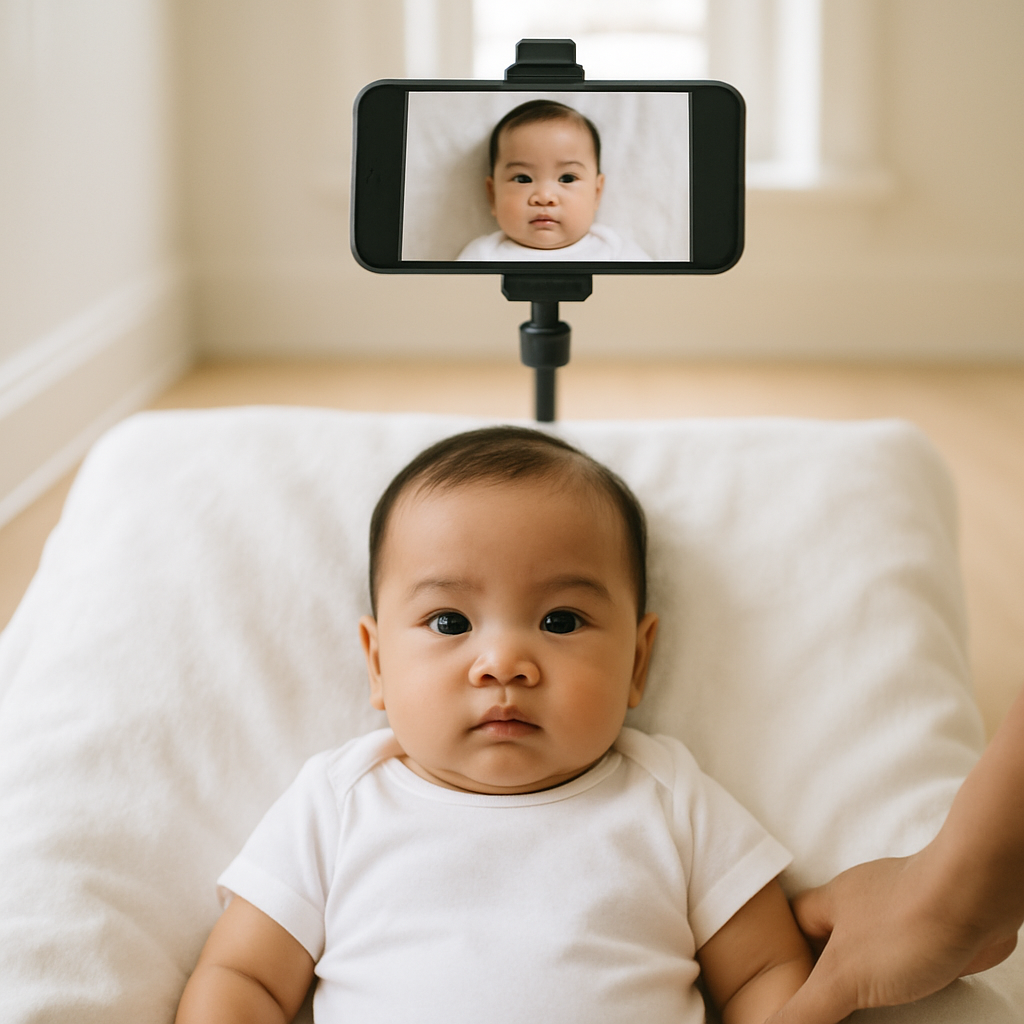
Getting a passport photo for a baby sounds simple. Just snap a cute picture, right? Not even close. If there’s one thing parents in the Philippines discover quickly, it’s that baby passport photo requirements are surprisingly strict. And babies? Well, they’re not exactly known for sitting still, keeping their eyes open, or cooperating with government guidelines. So let’s break it down - clearly, honestly, and without the robotic fluff. Here’s everything parents need to know about baby passport photo requirements in the Philippines for 2026.
Why Baby Passport Photos Are So Strict
The Department of Foreign Affairs (DFA) follows international biometric standards. That means even infants must have passport photos that meet precise specifications. Why so serious for a tiny human who can’t even hold their own bottle? Because passports are machine-readable documents. Facial recognition systems need accurate data. Even small inconsistencies - shadows, tilted heads, distracting backgrounds - can cause delays or outright rejection. And nobody wants to rebook a DFA appointment. Those slots disappear fast.
Official Baby Passport Photo Requirements Philippines 2026
Here’s what actually matters.
1. Photo Size and Dimensions
The standard Philippine passport photo size applies to babies too:
- 4.5 cm x 3.5 cm
- Colored photo
- Taken within the last 6 months
No filters. No soft-focus edits. No "cute" enhancements.
2. Background
The background must be:
- Plain white
- Clean and evenly lit
- Free from shadows
- No patterns, textures, or objects
That means no crib rails peeking through. No patterned bedsheets. No parent’s hand visible holding the baby upright. Sounds easy? It’s not.
3. Baby’s Facial Expression
Here’s the tricky part. The baby must:
- Look directly at the camera
- Have eyes open
- Have a neutral expression
- Keep mouth closed
Yes, even newborns. Crying photos are rejected. Laughing photos? Also rejected. Tongue out? Definitely rejected. Think of it like this - the photo should look like a tiny adult passport picture. Just... smaller and cuter.
4. Head Position and Framing
The baby’s head must be:
- Centered in the frame
- Facing straight ahead
- Not tilted to either side
Both ears should ideally be visible, although this can be flexible for very young infants. The face must occupy a significant portion of the frame - not too far away, not zoomed in awkwardly.
5. No Accessories Allowed
This includes:
- Headbands
- Hats
- Hair clips covering the face
- Pacifiers
Religious head coverings may be allowed, but they must not obscure the face. And yes, that adorable floral headband? Save it for Instagram.
Common Reasons Baby Passport Photos Get Rejected
If you ask me, most rejections happen because parents underestimate how precise the requirements are. Here are the usual mistakes:
- Visible hands holding the baby
- Uneven lighting or shadows behind the head
- Baby looking sideways
- Eyes partially closed
- Background not fully white
- Overexposed or underexposed images
Sometimes the issue is subtle - a faint shadow that the human eye barely notices but a biometric system flags instantly. Frustrating? Absolutely. Avoidable? Also yes.
Can Parents Hold the Baby During the Photo?
Technically, yes - but invisibly. For newborns who can’t sit up, parents often lay them down on a white sheet or blanket. Another trick is placing the baby in a car seat covered completely with white fabric. The key rule: no part of the parent can appear in the frame. No fingers. No shoulders. No supporting hands. It’s like staging a tiny photoshoot with the precision of a product catalog. Every detail counts.
What to Dress Your Baby In
Clothing matters more than people expect. Best choices:
- Plain, darker-colored tops
- Simple shirts without large prints
- No white outfits (they blend into the background)
Avoid overly bright neon colors. Avoid busy patterns. Keep it simple. Think "clean and minimal," not "birthday party."
Should You Go to a Studio or Do It at Home?
Here’s a hot take - professional studios aren’t always better. Some studios still misunderstand updated DFA standards. Others rush baby sessions because, let’s be honest, infants are unpredictable clients. Doing it at home can actually give parents more control. They can wait for the right moment - when the baby is calm, fed, and alert. That said, editing must be precise. Cropping. Alignment. Background correction. That’s where things often go wrong. Which is why many parents use online tools like BabyPassportMaker.com. It helps adjust baby photos to match Philippine passport standards, ensuring proper size, background compliance, and formatting without guesswork. It’s like having a mini photo technician in your pocket.
Step-by-Step Guide to Taking a Baby Passport Photo at Home
Want to try it yourself? Here’s a practical breakdown.
Step 1: Prepare the Setup
- Use a plain white sheet or wall
- Choose a well-lit room with natural light
- Avoid direct harsh sunlight
Soft daylight near a window works beautifully.
Step 2: Position the Baby
For newborns:
- Lay them flat on a white blanket
- Stand directly above them
- Keep camera parallel to their face
For older infants:
- Seat them upright against a white backdrop
- Ensure their head isn’t tilted
Step 3: Capture Multiple Shots
Don’t settle for one photo. Take 20. Maybe 40. Babies blink constantly. One perfect frame is hidden somewhere in the chaos.
Step 4: Select the Best Image
Choose a photo where:
- Both eyes are open
- The mouth is closed
- No shadows appear behind the head
- The baby faces straight forward
Step 5: Adjust to Passport Standards
Crop precisely. Ensure correct dimensions. Double-check background purity. Or use a dedicated tool to simplify the technical side.
DFA Appointment Day - What to Expect
Even with a printed photo, the DFA may still capture a live image during the appointment. For infants, policies can vary slightly depending on the branch. Parents should:
- Bring extra copies of the passport photo
- Arrive early
- Keep the baby well-rested
A calm infant makes the process smoother. A screaming one? Well… that’s a different story.
How Long Is a Baby Passport Valid in the Philippines?
As of 2026, Philippine passports for minors are typically valid for 5 years. Yes, even if the baby looks completely different in six months. Biometric systems focus on stable facial markers - eye distance, nose placement, bone structure - not chubby cheeks that disappear over time. Science is fascinating like that.
Final Thoughts on Baby Passport Photo Requirements Philippines 2026
Getting a baby passport photo isn’t complicated. It’s precise. There’s a difference. Parents who understand the requirements - size, background, expression, positioning - avoid delays and unnecessary stress. A little preparation goes a long way. And honestly? The hardest part isn’t the technical standards. It’s convincing a baby to cooperate for three whole seconds. But once it’s done, that tiny passport opens big possibilities - family trips, overseas reunions, new adventures waiting beyond airport gates. Not bad for a small square photo with a very serious face.