Baby Passport Photo Requirements Philippines 2026
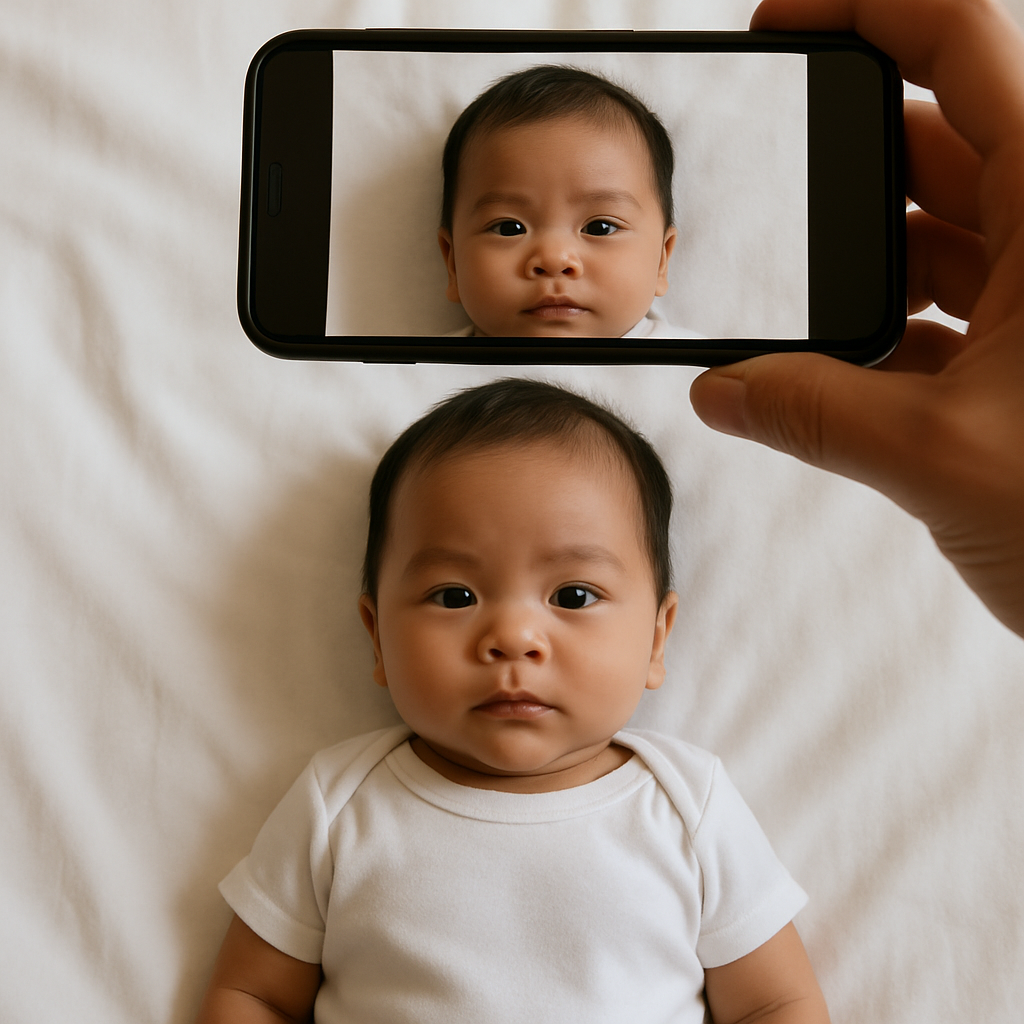
Applying for a passport for a baby sounds simple. It’s just a photo, right? Not quite. In the Philippines, baby passport photo requirements are surprisingly strict. One tiny mistake - a shadow on the cheek, a visible hand holding the child, the wrong background shade - and the application can be delayed. For tired parents juggling feeding schedules and paperwork, that’s the last thing anyone wants. So let’s break this down clearly, practically, and honestly. Here’s everything parents need to know about baby passport photo requirements in the Philippines for 2026.
Why Baby Passport Photos Are So Strict
If you ask immigration officials, it’s all about security and identity verification. A passport photo isn’t just a cute baby picture. It’s a biometric document. Think of it like a digital fingerprint - but for the face. Even newborns must meet International Civil Aviation Organization standards. That means the baby’s face must be clearly visible, proportioned correctly, and free from obstructions. The rules aren’t there to make life harder. They’re there to prevent identity fraud and ensure smooth international travel. Still, when a three-month-old refuses to open their eyes? It can feel like negotiating with a tiny, unpredictable boss.
Official Baby Passport Photo Requirements Philippines 2026
Here’s where things get specific. Parents applying through the Department of Foreign Affairs must ensure the photo meets these standards:
1. Photo Size and Dimensions
- 35mm x 45mm - Head size must measure between 32mm and 36mm from chin to crown - The face should occupy 70-80% of the photo Precision matters. Even slight misalignment can cause rejection.
2. Background
- Plain white background - No shadows - No patterns or textures A white blanket works well. A cream wall? Risky. Off-white can sometimes photograph darker than expected.
3. Facial Expression
This is where it gets interesting. For babies: - Eyes should be open (if possible) - Mouth closed - Neutral expression - No smiling widely Newborns under one year old get some flexibility. If the baby’s eyes are not fully open, it may still be accepted - but it’s safer when they are.
4. Head Position
- Face must face directly toward the camera - Head centered - No tilting Imagine drawing a vertical line down the middle of the baby’s face. It should be symmetrical. No leaning left. No dramatic angles.
5. No Visible Support
This is critical. - No parent hands visible - No arms holding the baby - No chair backs - No toys Parents often lay the baby flat on a white sheet and take the photo from above. It works beautifully - when done correctly.
6. Clothing Requirements
- Avoid white clothing (it blends with background) - No hats or headbands - No pacifiers - No accessories Religious head coverings are allowed, but the full face must be visible.
Common Mistakes That Cause Rejection
Here’s a hot take - most rejected baby passport photos fail for very small, preventable reasons. Some of the biggest culprits include: 1. Shadow under the chin 2. Uneven lighting 3. Baby looking sideways 4. Red-eye effect 5. Pixelated or low-resolution images 6. Parent fingers edited out poorly That last one happens more than people think. Bad photo editing leaves blurry patches that authorities easily detect. Honestly, it’s better to do it right from the start than to “fix” it later.
Can Parents Take Baby Passport Photos at Home?
Yes. And many do. Smartphones today are powerful. The camera quality rivals professional equipment from just a few years ago. With natural lighting near a window and a clean white sheet, it’s completely possible. But here’s the catch - cropping and formatting must match official measurements exactly. That’s why many parents now use specialized online services like BabyPassportMaker.com. The platform adjusts dimensions automatically, checks compliance with Philippine passport photo requirements, and reduces the risk of rejection. It’s like having a photo booth expert in your pocket.
Step-by-Step: How to Take a Baby Passport Photo at Home
Let’s make this practical.
Step 1: Set Up the Background
Lay a smooth white blanket on the floor. Make sure it’s wrinkle-free. Shadows form easily on creases.
Step 2: Use Natural Lighting
Position the setup near a window. Avoid direct sunlight. Soft daylight is ideal. Flash photography? Not recommended. It creates harsh reflections.
Step 3: Position the Baby
Lay the baby flat on their back. Ensure: - Head is centered - Chin not tucked - Eyes open This might take multiple tries. That’s normal.
Step 4: Take Multiple Shots
Don’t rely on one photo. Take 10. Or 20. One will likely meet all requirements.
Step 5: Crop Correctly
This is where precision matters most. Use a trusted resizing tool to ensure the head occupies 70-80% of the frame. Sounds simple, right? It is. But accuracy makes all the difference.
What About Newborns?
Newborn passport photos feel intimidating. They can’t hold their heads steady. They close their eyes randomly. They make unpredictable expressions. Still, the same general rules apply. Authorities understand minor limitations for infants under one year old, but the photo must clearly show: - Full face - No obstruction - Proper lighting If the baby’s eyes are partially open but visible, it may still pass.
Studio vs. DIY - Which Is Better?
Here’s the honest breakdown.
Professional Studio
Pros: - Proper lighting - Correct dimensions - Immediate printing Cons: - Higher cost - Travel required - Baby may become fussy outside home
At-Home Option
Pros: - Comfortable environment - Multiple attempts allowed - Lower cost Cons: - Requires careful setup - Formatting must be exact For many modern families, combining a smartphone photo with a compliance tool like BabyPassportMaker.com strikes the right balance.
Digital vs. Printed Submission
As of 2026, the Philippine passport application process may require digital uploads for certain stages while still requiring printed photos during in-person appointments. Parents should: - Check DFA guidelines before appointment - Bring extra printed copies - Ensure digital files meet resolution standards Better safe than scrambling last minute.
Final Checklist Before Submission
Before heading to the passport appointment, confirm: - Correct size 35mm x 45mm - White background - No shadows - Baby facing camera - Neutral expression - No visible support - High resolution image Quick review now saves weeks of delay later.
Why Getting It Right Matters
A passport is more than a travel document. It’s a child’s first official identification. For families planning international trips, dual citizenship registration, or overseas visits, timing is everything. One rejected photo can push travel plans back significantly. That’s why understanding baby passport photo requirements in the Philippines for 2026 isn’t just helpful - it’s essential. It may seem like a small detail in the grand scheme of parenting. But small details stack up. And when everything is done correctly? The application process feels smooth. Efficient. Stress-free. Exactly what parents need. Because let’s be honest - raising a baby already comes with enough surprises.