Baby Passport Photo Requirements Philippines 2026
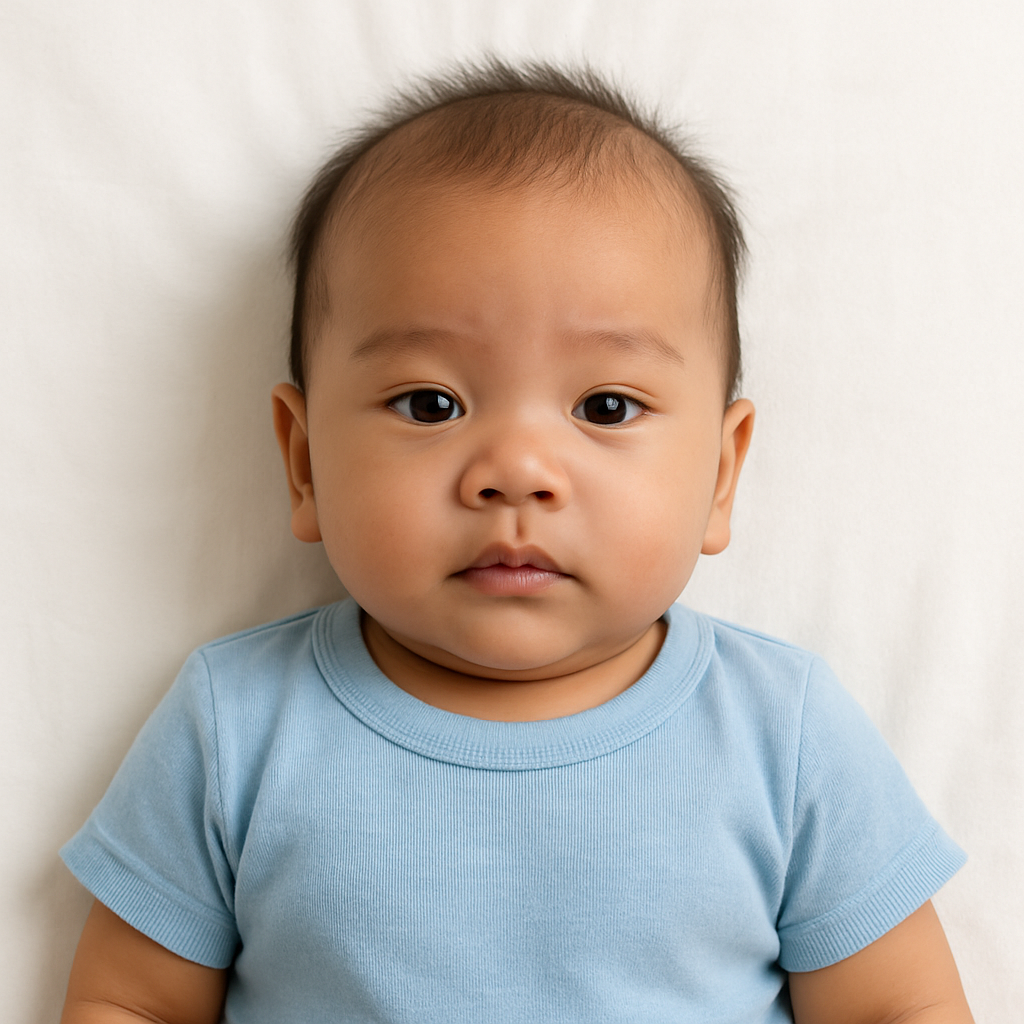
Getting a passport photo for a baby sounds simple. Until it isn’t.
Anyone who has ever tried to photograph an infant knows the reality - wiggles, random giggles, sudden tears, and that mysterious ability babies have to look everywhere except the camera. And yet, when applying for a Philippine passport in 2026, that tiny photo suddenly becomes one of the most important details in the entire process.
Miss the mark, and the application gets delayed. Do it right, and everything moves smoothly.
This guide breaks down the baby passport photo requirements in the Philippines for 2026, in plain language. No fluff. No confusing legal talk. Just what parents actually need to know.
Why Baby Passport Photos Matter More Than You Think
Here’s a hot take - passport photos aren’t just paperwork. They’re biometric identifiers. Governments use them for facial recognition systems, border checks, and security screening.
That means even a newborn’s photo must meet strict standards.
The Department of Foreign Affairs - DFA - does not bend rules for cuteness. If the image doesn’t meet specifications, it gets rejected. And that means rebooking appointments, wasting time, and added stress.
Sounds dramatic? Maybe. But for busy parents juggling work and childcare, even a small delay can feel enormous.
Official Baby Passport Photo Requirements Philippines 2026
Let’s break it down clearly.
1. Photo Size and Dimensions
- Standard passport size: 2 x 2 inches
- Color photo
- Taken within the last 6 months
No filters. No soft glow. No artistic angles. This isn’t Instagram.
2. Background Requirements
- Plain white background
- No shadows
- No patterns or textures
The white backdrop must look clean and evenly lit. Think hospital wall, not living room curtain.
3. Baby’s Position and Expression
This is where things get tricky.
- Baby must face the camera directly
- Eyes open (yes, even for newborns)
- Neutral expression
- Mouth closed
No smiling. No crying. No wide-open gummy grins.
Honestly, asking a six-month-old for a neutral expression feels like negotiating with a tiny CEO. But those are the rules.
4. Head and Face Visibility
- Full face visible
- No shadows across the face
- No hands covering cheeks
- No toys or pacifiers
If a parent’s hand is supporting the baby, it must not appear in the frame. That means careful positioning. Many parents lay the baby on a white sheet and take the photo from above. It works - if lighting is right.
5. Clothing Guidelines
- Everyday clothes
- No uniforms
- No costumes
- No white tops that blend into the background
Simple is best. A soft-colored onesie usually does the trick.
6. No Accessories
- No hats
- No headbands
- No decorative clips
- No sunglasses
Religious head coverings are generally allowed for adults under certain conditions, but for babies, it’s safest to keep the head fully visible.
Common Reasons Baby Passport Photos Get Rejected
Have you ever wondered why some applications get flagged even when everything seems fine?
Usually, it’s one of these:
- Shadows behind the baby’s head
- Blurry image due to movement
- Improper head size within the frame
- Red-eye effect
- Uneven lighting
Babies move. Constantly. That slight blur might look harmless on a phone screen, but passport systems pick it up instantly.
Think of it like submitting a job resume with a typo in your name. Small detail. Big consequence.
Can You Take a Baby Passport Photo at Home?
Yes. But proceed carefully.
Modern smartphones have excellent cameras. Lighting near a window during daytime can produce surprisingly professional results. The key is setup.
Tips for DIY Baby Passport Photos
- Use natural light - avoid harsh flash
- Lay baby on a white blanket
- Stand directly above for straight alignment
- Take multiple shots quickly
- Check for shadows before finalizing
Some parents take 50 photos just to get one usable image. That’s normal.
If editing or cropping feels confusing, online tools can simplify the process. Services like BabyPassportMaker.com help format photos according to official passport standards. It reduces guesswork and increases approval chances.
Because honestly, who wants to redo everything over a background shadow?
What Happens at the DFA Appointment?
Here’s something important: For Philippine passport applications, biometrics are captured at the DFA office.
That means photo, fingerprints, and signature - if applicable - are usually taken onsite.
So why worry about baby passport photos?
Because in some cases - especially for very young infants - the photo may still require preparation or adherence to strict visual standards. And when applying through certain channels or renewals abroad, compliant photos are required beforehand.
Policies can shift slightly year to year. Always check the latest DFA announcements before your appointment.
Special Considerations for Newborns
Newborn passport photos deserve their own section. They’re the hardest to capture.
Eyes Open Requirement
For very young infants, the DFA may allow slight leniency if eyes are not fully open, but this isn’t guaranteed. It depends on the reviewing officer.
Best approach? Try taking the photo when the baby is alert but calm - usually after feeding.
Head Support Without Visibility
If someone must hold the baby upright:
- Ensure the hand is completely hidden
- Use a white cloth behind the baby
- Avoid casting shadows
It’s a balancing act. Literally.
Practical Strategy for Stress-Free Passport Photo Sessions
Preparation changes everything.
Instead of forcing a photo session when the baby is cranky, plan around their schedule. Calm baby equals better photo. Simple formula.
Step-by-Step Approach
- Choose the right time of day
- Prepare the background in advance
- Dress the baby in approved clothing
- Take multiple photos quickly
- Review carefully before printing or uploading
That’s it. No complicated photography skills required.
Should You Use a Professional Studio?
If you ask some parents, absolutely. Others prefer DIY to save money.
Professional studios understand passport rules and lighting. But not all photographers are updated on the 2026 Philippine passport specifications.
So if you choose a studio, confirm they follow DFA guidelines specifically for baby passport photos in the Philippines.
Otherwise, you’re just paying for fancy lighting.
Final Thoughts on Baby Passport Photo Requirements Philippines 2026
Applying for a passport for a baby feels overwhelming at first. So many forms. So many details. And then there’s that tiny photo that somehow carries enormous importance.
But once parents understand the requirements - plain white background, proper lighting, neutral expression, correct size - the process becomes manageable.
Not effortless. But manageable.
And here’s the thing: preparation saves time. Whether using a smartphone at home or an online formatting service like BabyPassportMaker.com, accuracy matters.
Because when travel plans depend on paperwork, there’s no room for avoidable mistakes.
A compliant baby passport photo isn’t just an image. It’s the first step toward future family adventures.