Baby Visa Photo Specifications for Japan
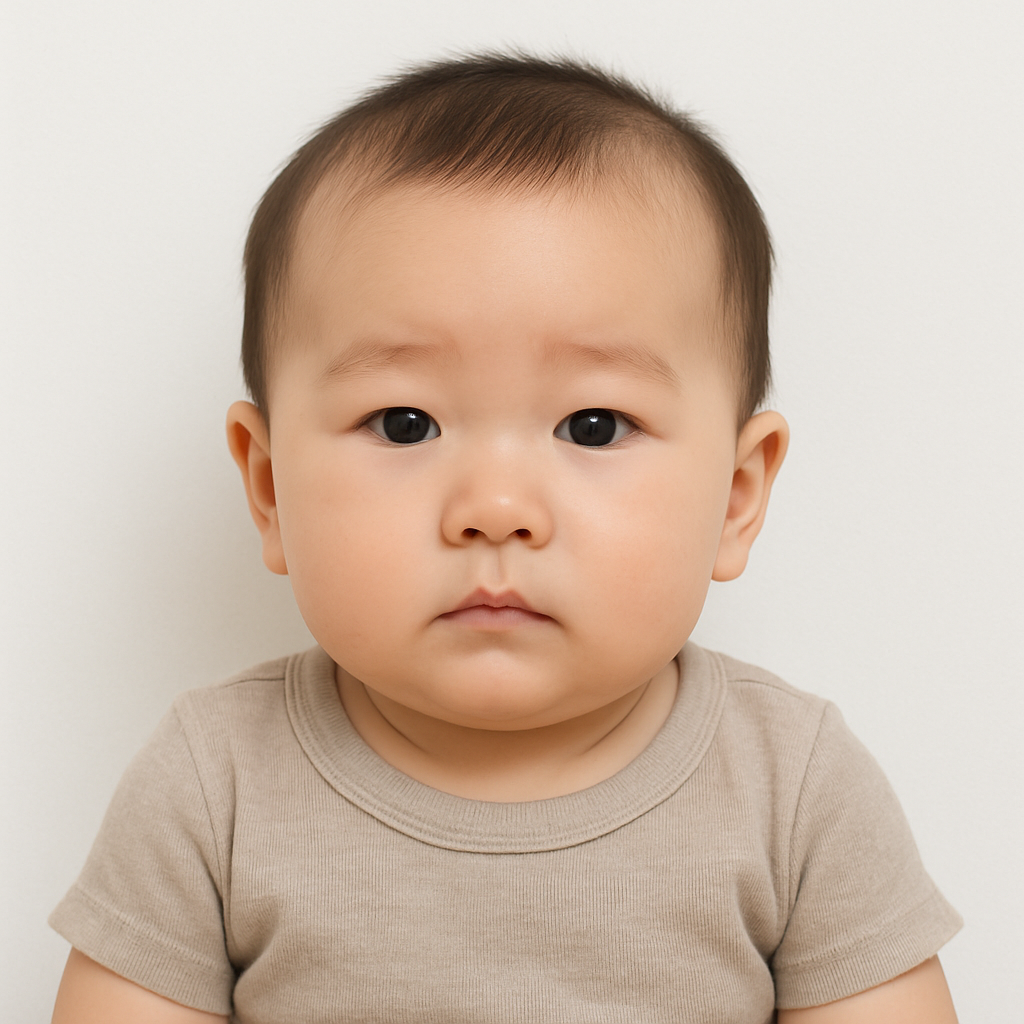
Applying for a visa is stressful enough. Add a baby to the equation? It becomes a whole different level of chaos. Tiny socks. Sudden naps. Random tears. And somewhere in between all that, parents are expected to produce a perfectly compliant visa photo. Sounds simple, right? Not quite. Japan has very specific baby visa photo specifications, and even a small mistake can lead to rejection. Cropped wrong? Rejected. Shadow on the face? Rejected. Slight smile? Possibly rejected. The margin for error is thin. This guide breaks it down clearly, without the jargon. If someone wants to avoid unnecessary delays and extra trips to the photo studio, this is the place to start.
Official Baby Visa Photo Size for Japan
Let’s start with the basics. Japan requires a specific photo size for visa applications. The standard Japan visa photo dimensions are:
- 45mm x 45mm (square format)
- Head height must be between 25mm and 35mm
- Photo must be taken within the last 6 months
That square shape catches many parents off guard. Many countries use rectangular formats. Japan does not. It wants symmetry. Precision. Order. Think of it like fitting a puzzle piece into a frame - if it’s even slightly off, it won’t slide in smoothly.
Head Position and Framing
This part matters more than people expect. The baby’s face must be centered. The head should not tilt left or right. The eyes must be clearly visible and open. The background should be plain white or light-colored. No shadows. No patterns. No textures. And here’s the tricky bit - the baby’s head size must fall within the required measurement range. Too small and it looks distant. Too large and it looks cropped. Precision is everything.
Facial Expression Rules for Infant Visa Photos
Babies don’t follow instructions. Anyone who’s met one knows this. Still, Japanese visa authorities expect a neutral expression. That means:
- No wide smiles
- No open mouths
- No visible teeth
- Eyes open and looking forward
Now, does that mean the baby must look like a passport mugshot? Not exactly. A soft, natural expression is acceptable. But exaggerated grins or crying faces can cause issues. Here’s a hot take - trying to force a baby to "smile naturally" is usually what ruins the shot. Calm works better than cheerful.
Background Requirements
Japan prefers simplicity. The background must be:
- Plain white or very light
- Free of shadows
- Without objects or patterns
That means no blankets with prints. No textured walls. No visible furniture edges. If a parent lays the baby on a white sheet, it must be smooth. Wrinkles can create shadows. And shadows can trigger rejection. It sounds picky. Because it is.
Can a Parent Hold the Baby?
This question comes up constantly. Yes, a parent can support the baby. But - and this is critical - the parent must not be visible in the photo. No hands. No arms. No shoulders. No clothing peeking into the frame. Some photographers use a white cloth over the parent’s arms. Others place the baby in a car seat covered with a white sheet. Both approaches can work if done carefully. The final image must look like the baby is sitting independently against a clean background.
Lighting Rules for Japan Baby Visa Photos
Lighting can make or break the image. The photo must be:
- Clear and sharp
- Properly exposed
- Free from red-eye
- Without harsh shadows on the face or background
Natural daylight works beautifully if positioned correctly. Direct flash, on the other hand, can flatten features or create glare. Soft, even lighting is ideal. Imagine the gentle glow of a cloudy morning rather than a spotlight on a stage.
Clothing Guidelines for Babies
Wardrobe matters more than people assume. The baby should wear:
- Regular everyday clothing
- Solid colors
- Nothing too light if the background is white
Avoid white outfits against white backgrounds. The head can appear to float. Darker soft tones work better. Hats, headbands, and decorative accessories are not allowed unless required for religious or medical reasons. Even then, they must not obscure facial features. Keep it simple. Keep it clean.
Common Mistakes That Lead to Rejection
This is where many applications stumble. Here are the most frequent problems:
- Incorrect size - not 45mm x 45mm
- Baby looking sideways
- Mouth open or crying
- Shadows behind the head
- Visible parent’s hand
- Low-resolution or blurry image
Each one might seem minor. Together, they’re the reason families have to redo the entire process. Why risk it?
Digital vs Printed Photo Requirements
Depending on how the visa is submitted, the format may vary. For printed applications:
- High-quality photo paper
- No creases or damage
- Matte or semi-matte finish preferred
For digital submissions:
- High resolution
- Correct dimensions
- No heavy filters or editing
And please - no beauty filters. No smoothing apps. Japanese authorities expect an accurate representation.
Is It Better to Use a Professional Service?
Here’s where many parents hesitate. They think, “It’s just a photo. How hard can it be?” In theory, not hard. In practice? Babies move. Lighting shifts. Backgrounds wrinkle. Head measurements end up slightly off. That’s why many families turn to specialized services like BabyPassportMaker.com. These platforms understand infant photo specifications and adjust images to meet official requirements. If someone values time - and sanity - it can be worth it.
Step-by-Step: Getting the Perfect Baby Visa Photo for Japan
For those who prefer a clear roadmap, here it is:
- Prepare a plain white background.
- Dress the baby in a solid, contrasting outfit.
- Ensure soft, even lighting.
- Position the baby upright with eyes open.
- Take multiple shots - patience is key.
- Verify dimensions are exactly 45mm x 45mm.
- Check head size measurements carefully.
Simple list. Not always simple execution.
Special Considerations for Newborns
Newborns present unique challenges. They can’t hold their heads up. They sleep unpredictably. Eyes often stay closed. Japanese guidelines still require open eyes if possible. For very young infants, some flexibility may apply, but it’s safer to aim for compliance. Placing the baby flat on a white sheet often works best. The camera should be positioned directly above to avoid distortion. Patience is everything here. A rushed attempt rarely succeeds.
Why Accuracy Matters for Japan Visa Applications
Japan maintains high documentation standards. The visa process reflects that precision. A non-compliant photo can delay approval. That delay can affect flights, accommodation bookings, and carefully planned travel schedules. And when it comes to international travel with a baby, timing matters. Accuracy upfront prevents stress later.
Final Thoughts on Japan Baby Visa Photo Specifications
Baby visa photo specifications for Japan are detailed, strict, and non-negotiable. The size must be exact. The background must be clean. The baby’s face must be clearly visible. Even small details - shadows, tilts, slight smiles - can create problems. Preparation makes all the difference. Parents who take the time to understand the requirements, or who use reliable services tailored to infant documentation, significantly reduce the chance of rejection. Because honestly, traveling with a baby is already an adventure. The visa photo shouldn’t be the hardest part of the journey. Get the dimensions right. Keep the background simple. Stay patient. Everything else becomes much easier from there.