How to take baby passport photo for twins and triplets
Traveling with twins or triplets sounds magical in theory - matching outfits, tiny backpacks, double or triple giggles at the airport. In reality? It’s a carefully choreographed operation that can unravel in seconds. And right at the top of the to-do list sits one surprisingly tricky task: getting an approved baby passport photo for each child. It sounds simple. Sit baby down. Take picture. Done. Not quite. When there’s more than one infant involved, things get complicated fast. This guide breaks down exactly how to take a baby passport photo for twins and triplets - without losing patience or risking rejection.
Understanding Baby Passport Photo Requirements
Before anyone picks up a camera, it helps to understand the rules. Passport agencies don’t relax standards just because the subjects are adorable. For infants, most countries require:
- A plain white or off-white background
- No shadows behind the head
- Eyes open and visible
- Neutral facial expression
- No hands, toys, pacifiers, or other people visible
- Proper head size and centered framing
Here’s the catch - each twin or triplet must appear completely alone in their own photo. No shared images. No cropping one baby out of a group shot. Each child gets their own individual, compliant picture. Sounds manageable, right? It is. With planning.
Why Twins and Triplets Make Passport Photos Harder
With one baby, the challenge is timing. With two or three, it becomes logistics. Multiple infants rarely cooperate simultaneously. One is calm while another squirms. One is wide awake while the other decides it’s nap time. Trying to photograph them together almost always results in:
- Wandering hands entering the frame
- One baby looking away
- Shadow overlap
- Competing cries
The key mindset shift? Treat each baby as a completely separate photo session. Do not attempt to multitask.
Step-by-Step Guide to Taking Passport Photos for Twins and Triplets
1. Prepare the Space First
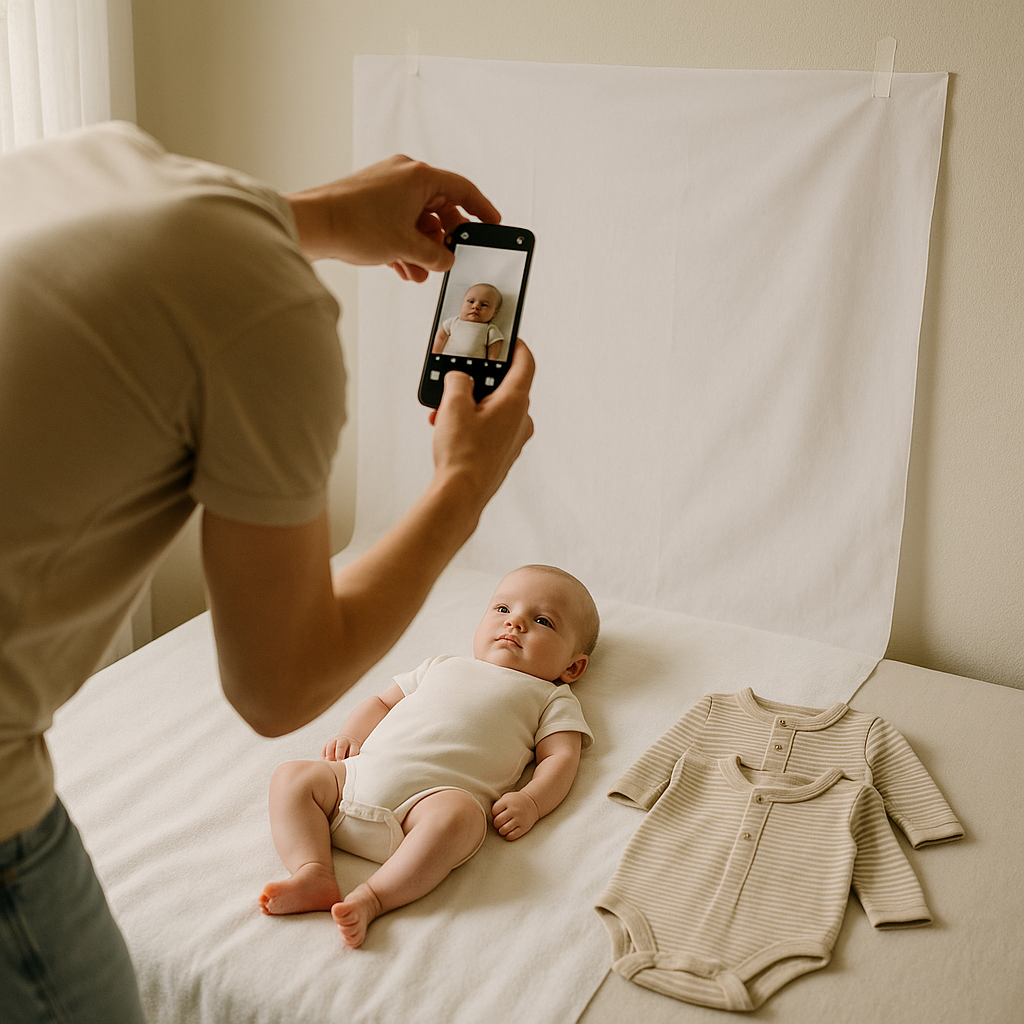
Set up before bringing any child into position. A smooth white sheet taped tightly to a wall works well. Avoid wrinkles. Avoid texture. Natural daylight is best. Place the setup near a window, but not in direct sun. Harsh light creates shadows, and shadows are the enemy of passport approval. If using artificial lighting, position it evenly on both sides to eliminate dark areas behind the head.
2. Photograph One Baby at a Time
This cannot be overstated. Even if the twins are inseparable. Even if the triplets always sit together. Passport officials require each baby to appear alone. Completely alone. A practical trick parents use:
- Lay a white sheet flat on the floor
- Place one baby on their back
- Stand directly above and take the photo
Make sure no adult hands are visible. If support is needed, it must remain outside the frame. Then repeat. Calmly. Methodically.
3. Keep Expressions Neutral
Babies don’t understand "neutral expression." They smile. They frown. They explore their vocal range. That’s okay. For infants, slight natural expressions are generally accepted, but the mouth should be closed if possible and eyes must be open. Try photographing after feeding, when they’re content but alert. Timing is everything.
4. Check Head Position Carefully
The head must face the camera directly. Not tilted. Not turned. With multiples, it’s tempting to rush after getting one usable image. Don’t. Check alignment every single time:
- Chin not tucked too low
- No head tilt
- Full face visible
- Centered within the frame
Think of it like framing a tiny portrait for a very strict art exhibit.
Common Mistakes When Photographing Twins and Triplets
Mistakes happen. Especially when juggling more than one infant. Here are the most common errors that lead to rejected baby passport photos:
Trying to Crop a Group Photo
It seems efficient. Take one big picture of all three babies. Crop individually later. Unfortunately, this almost always fails. Overlapping shadows, slight contact, or visible clothing edges from siblings can disqualify the image.
Visible Support Hands
Parents often forget how much of their fingers sneak into the frame. Even a tiny fingertip behind the head can cause rejection.
Uneven Lighting
When photographing multiples back-to-back, lighting can shift slightly. Cloud movement changes brightness. One image ends up darker than the others. Passport systems are picky. Consistency matters.
Helpful Tools That Make It Easier
Not everyone has professional photography equipment at home. That’s perfectly fine. A smartphone with a decent camera works well when used correctly. To simplify the process, many parents use online tools designed specifically for infant passport photos. One standout service is BabyPassportMaker.com. It allows parents to upload a photo taken at home and automatically adjusts background, size, alignment, and formatting to meet official standards. For families managing twins or triplets, this saves time and reduces the risk of rejection. Because let’s be honest - repeating a triple photo session is nobody’s idea of a good afternoon.
Tips for Staying Calm During the Process
Photographing one baby can test patience. Photographing three? That’s advanced-level endurance. Here’s what tends to work best:
- Work in shifts - If two adults are available, one manages siblings while the other focuses on the child being photographed.
- Schedule around naps - Avoid overtired windows.
- Keep the room quiet - Too much stimulation leads to wandering eyes.
- Take multiple shots - Tiny movements happen in milliseconds.
- Review immediately - Zoom in to confirm eyes are open and lighting is even.
Patience isn’t just helpful. It’s essential.
What About Newborn Twins or Triplets?
Newborn passport photos are a different challenge entirely. Infants may not fully control their head yet. In these cases, laying them flat on a firm white surface works best. The camera should be positioned directly above. Ensure no shadows fall across the face. For very young babies:
- Wait until eyes are naturally open
- Avoid flash
- Take advantage of calm feeding periods
Some countries allow minor flexibility for newborn expressions, but eyes must still be visible.
Double-Check Before Submitting
Before printing or uploading, review each photo individually. Ask these questions:
- Is the background plain and shadow-free?
- Is only one baby visible?
- Are the eyes open?
- Is the head centered and straight?
- Is the image sharp and properly sized?
If even one answer feels uncertain, retake it. It’s far easier to redo the photo now than delay travel plans later.
Final Thoughts on Baby Passport Photos for Multiples
Taking a baby passport photo for twins and triplets requires patience, planning, and realistic expectations. It’s less about photography skills and more about timing and preparation. Treat each baby as an individual session. Control lighting. Keep the background clean. Review every detail. And when the process feels overwhelming? Use tools that simplify it. Services like BabyPassportMaker.com help parents turn ordinary at-home pictures into compliant passport photos without another round of setup. Traveling with twins or triplets is already a bold adventure. The passport photo process doesn’t need to be. One baby at a time. One photo at a time. That’s the secret.