Why AI is Better for Baby Visa Photos than Photographers
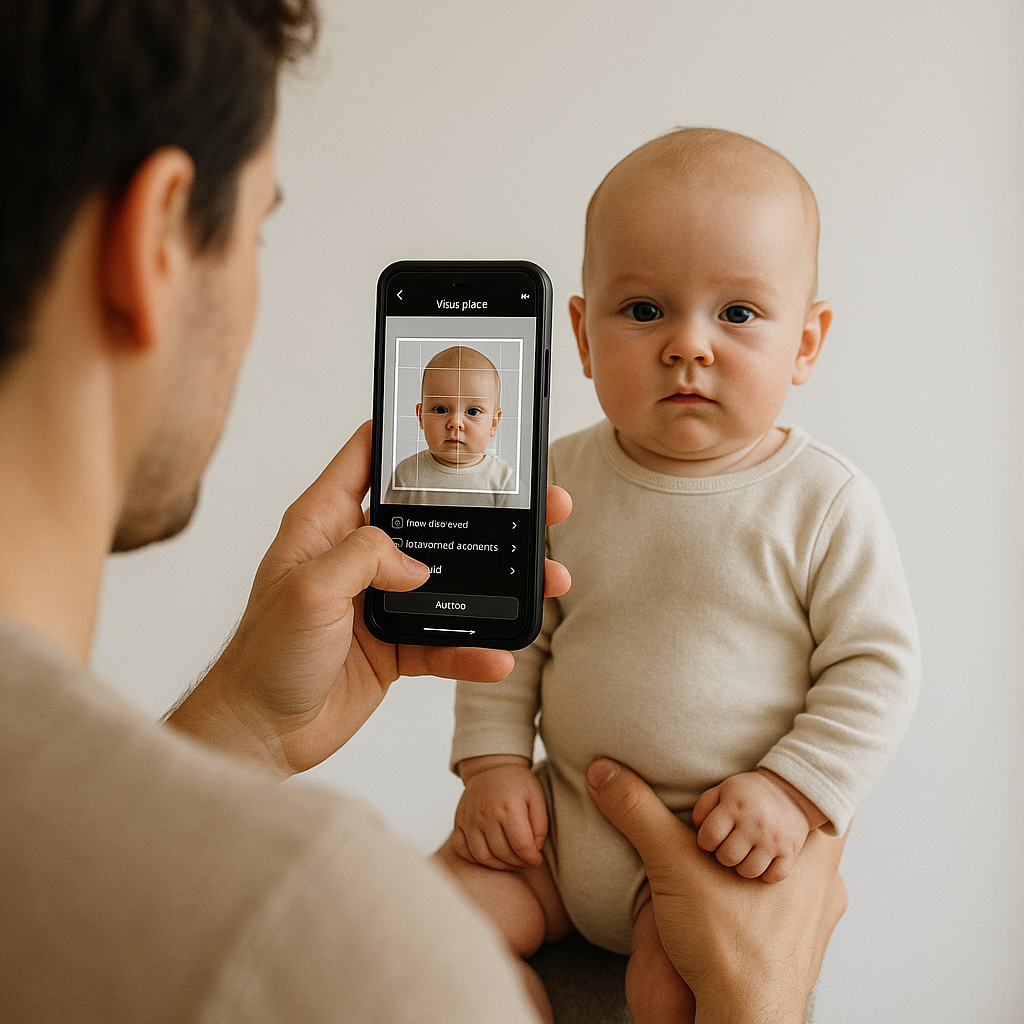
Parents already juggle a hundred tiny emergencies before breakfast. Spilled milk. Missing socks. A diaper situation that escalated fast. And then - right in the middle of it all - someone remembers the baby visa photo. Cue the stress. For decades, the obvious solution was simple: book a photographer, wrestle the baby into something neutral, and hope for one usable shot. But here’s the honest truth - times have changed. Artificial intelligence has quietly stepped in and, in many cases, outperformed traditional photographers when it comes to baby visa photos. Sounds bold? Maybe. But let’s unpack it. ## The Unique Challenge of Baby Visa Photos A baby visa photo isn’t just a cute picture. It’s a technical, rule-heavy document requirement. Governments are picky. Extremely picky. Most countries require: - Exact head positioning - Neutral facial expression - Specific background color - No shadows - Precise dimensions - No props, hands, or visible supports Now imagine asking a three-month-old to "please hold still and look neutral." It’s like negotiating with a tiny, unpredictable CEO who runs entirely on milk and mood swings. That’s where AI quietly shines. ## Why Traditional Photographers Struggle With Baby Visa Photos Professional photographers are talented. No question. But visa requirements are not about artistic flair. They are about precision. And precision with infants? That’s tough. ### 1. Timing Is Everything Photographers rely on capturing the perfect moment. But babies don’t operate on command. They blink. They turn. They cry. They nap unexpectedly. This often means: - Multiple sessions - Higher costs - Frustrated parents - Dozens of unusable images ### 2. Manual Adjustments Take Time Lighting fixes. Background edits. Cropping. Alignment corrections. Humans do this manually. AI does it instantly. ### 3. Studio Visits Add Pressure Taking a newborn into a studio environment can feel overwhelming. Bright lights. Strange surroundings. Tight schedules. For some families, it’s simply not practical. And let’s be honest - sometimes the baby just isn’t in the mood. That’s not something a photographer can control. ## How AI Transforms Baby Visa Photos Artificial intelligence approaches the problem differently. It doesn’t wait for perfection. It builds it. Instead of chasing the "perfect shot," AI analyzes and optimizes. ### AI Detects and Adjusts Automatically Modern systems can: 1. Detect head position and adjust alignment 2. Remove background clutter and replace it with compliant white 3. Correct lighting inconsistencies 4. Resize images to exact embassy specifications 5. Ensure facial proportions meet official requirements It’s not magic. It’s math. And math doesn’t get tired. ## A Real-World Scenario Consider a young couple preparing documents for international travel. Their infant keeps tilting her head slightly to the side. Every photo looks adorable - but none meet the strict "straight-on" rule required by the visa office. They try again. And again. With AI-powered tools like BabyPassportMaker.com, the process becomes dramatically simpler. The parent uploads a single decent photo taken at home. The AI analyzes facial symmetry, corrects minor angles, replaces the background, and formats everything to embassy standards. No studio appointment. No retakes. No guesswork. That’s the difference. ## Speed Matters - Especially With Travel Deadlines Visa applications often run on tight timelines. Delays can mean missed flights, rescheduled plans, and extra fees. Photographers may require: - Booking availability - Editing turnaround time - Follow-up corrections AI systems deliver results in minutes. Minutes. If you ask most parents which they prefer - waiting days or getting it done before the baby’s next nap - the answer is obvious. ## Cost Efficiency Without Sacrificing Compliance Professional photography sessions can cost significantly more than digital AI services. And if the photo gets rejected? That’s another appointment. Another fee. AI platforms reduce that risk by building compliance checks into the process. Many systems verify: - Country-specific photo standards - Head-to-frame ratio - Eye positioning - Resolution requirements It’s like having a rulebook embedded in the software. ## Consistency Beats Guesswork Here’s a hot take - creativity is not the goal in visa photography. Consistency is. AI thrives on consistency. It follows measurable standards every single time. There’s no "interpretation" involved. A photographer might adjust lighting based on artistic instinct. AI adjusts based on regulated parameters. That distinction matters. ## The Comfort Factor for Parents Babies behave differently at home. They feel safer. Calmer. Parents can take photos in familiar surroundings, without rushing, without strangers, without studio pressure. If the baby needs a break? Pause. Try again later. AI doesn’t mind. And honestly, removing stress from parents during paperwork season might be the biggest win of all. ## Accuracy Reduces Rejection Rates Photo rejection is more common than most people think. Common reasons include: - Incorrect background shade - Improper head size ratio - Shadowing around ears or chin - Slight head tilt - Poor cropping AI systems are trained specifically to identify and correct these issues before submission. It’s like having a compliance officer built into the tool. ## But What About Quality? Some skeptics assume AI means lower quality. That’s outdated thinking. Modern image processing technology enhances clarity while maintaining natural skin tones and true facial details. The result isn’t artificial - it’s optimized. Think of it like adjusting a mirror so it reflects exactly what’s required, not what’s artistic. Visa photos are technical documents. AI handles technical tasks exceptionally well. ## When Might a Photographer Still Make Sense? To be fair, photographers still play an important role in many areas - family portraits, milestone shoots, newborn sessions. But for baby visa photos specifically, the equation shifts. When the goal is: - Fast turnaround - Guaranteed compliance - Lower cost - Minimal stress AI simply checks more boxes. ## Why Services Like BabyPassportMaker.com Lead the Way Not all AI tools are equal. Specialized platforms designed specifically for passport and visa photos outperform generic editing apps. BabyPassportMaker.com focuses exclusively on compliant document photography for infants and children. That specialization matters. Instead of offering broad photo editing, it targets: - Embassy-specific requirements - Automated background correction - Precision cropping - Digital file formatting ready for submission It’s a purpose-built solution. And purpose-built tools usually win. ## The Bigger Picture - Technology Serving Families This shift isn’t about replacing photographers entirely. It’s about matching the right tool to the task. AI excels when rules are rigid, measurements are exact, and variables can be calculated. A baby visa photo fits that description perfectly. Parents don’t need artistry. They need approval. They don’t need dramatic lighting. They need compliance. They don’t need a framed print for the living room. They need a file that won’t get rejected. AI delivers that with efficiency and consistency that human scheduling simply can’t match. ## Final Thoughts on AI for Baby Visa Photos Technology often gets framed as cold or impersonal. But in situations like this, it actually removes friction from an already stressful process. Less scheduling. Less cost. Less uncertainty. More control. More convenience. More peace of mind. For modern families navigating international paperwork, that’s not just helpful - it’s transformative. When precision matters more than personality, and compliance matters more than creativity, artificial intelligence quietly becomes the smarter choice. And for baby visa photos? It’s hard to argue otherwise.