Passport Photos Cost Breakdown: Comparing 5 Australian Providers in 2026
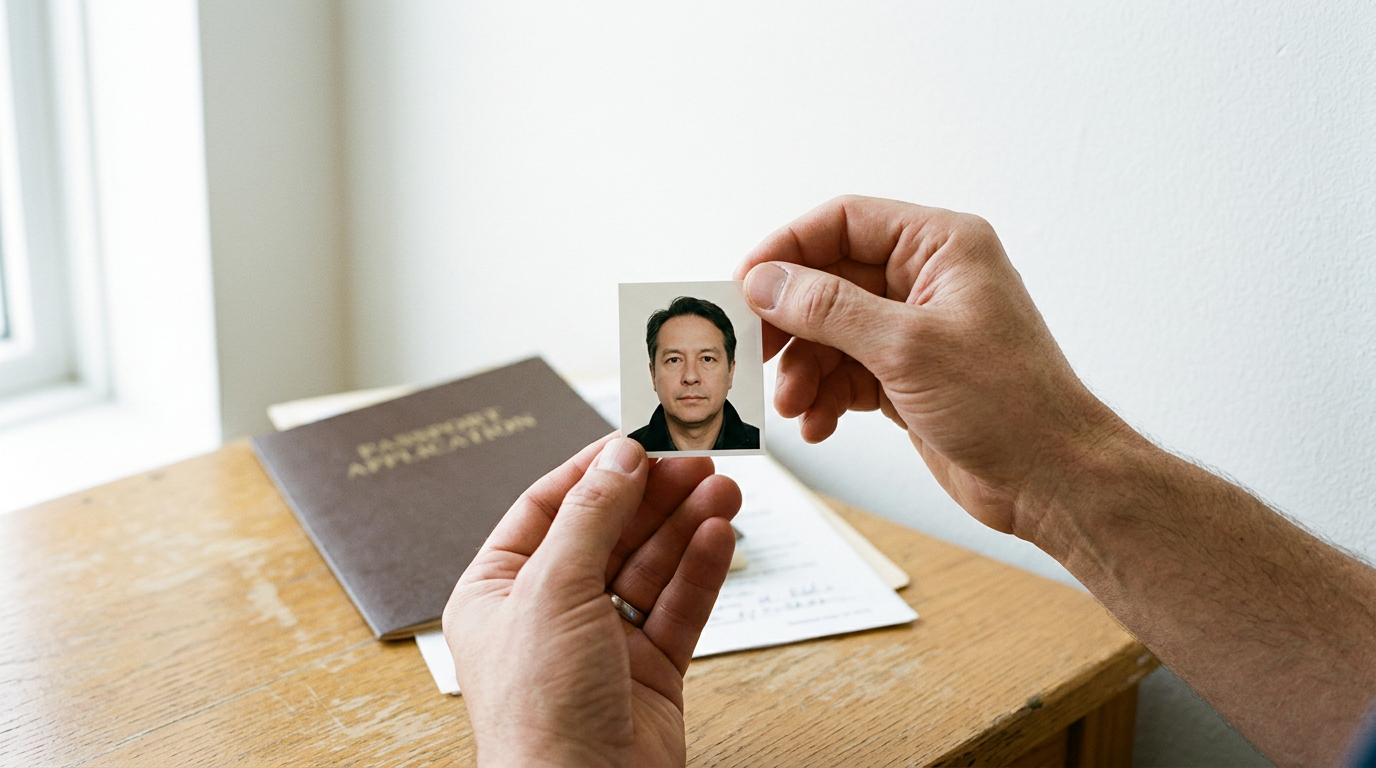
A family stands at a government submission desk, paperwork perfectly organized, only to be told the faint shadow under their infant's chin means an instant rejection. In that moment, the baseline passport photos cost immediately doubles, along with the time spent repeating the process. Travel documentation requires absolute adherence to biometric standards, and failing to meet those specifications is the single most common bottleneck in securing a visa or passport.
Calculating the true passport photos cost involves more than just reading a sticker price. It requires understanding what happens when an image fails the post office check, whether digital files cost extra, and how much technical assistance a given location actually provides. A cheap physical print offers zero value if the underlying file lacks the required lighting, background color, and facial geometry. Evaluating your options requires looking past the brand names to the actual mechanical processes driving the output.
Quick Summary
The true cost of travel documentation imagery depends entirely on how much technical formatting you handle yourself versus what you outsource to a provider. Evaluating different fulfillment models reveals a massive price variance based on hardware and manual assistance.
- Retail chains provide rapid biometric compliance checks for a mid-tier fee.
- Dedicated studios offer specialized dimensions and rejection guarantees.
- Self-service kiosks cost pennies but require you to bring perfectly formatted digital files.
- Consolidating your photography and application at a postal desk carries a premium for convenience.
Table of Contents
- Understanding the True Passport Photos Cost
- 1. Officeworks
- 2. Australia Post
- 3. Passport ID
- 4. Kmart Australia
- 5. Ted's Cameras
- Selecting the Right Fulfillment Method
- Recommended Reads
Understanding the True Passport Photos Cost
Before analyzing specific passport photo rates, buyers must define the actual service they are purchasing. The hardware, environment, and level of human assistance fundamentally dictate the reliability of the final output.
To effectively compare the options in the Australian market, we analyze each provider through the lens of their Fulfillment Method. This classification separates providers into three distinct categories based on their operational model:
- Full-Service Retail: These are standardized retail environments offering unbooked, immediate physical output facilitated by store staff. They rely on integrated biometric software to verify compliance. You should not compare these high-traffic environments to bespoke portrait studios, as their primary metric is volume and speed, not specialized posing.
- Specialist ID Studio: These operators dedicate their entire physical footprint solely to compliant documentation. They maintain localized setups focused entirely on complex international standards and rejection guarantees. Do not compare them to broad retail chains, as they lack national geographic scale.
- Self-Service Print: This category consists of kiosk hardware outputting user-provided files. They offer zero photographic assistance and zero compliance checks. You must not compare them to assisted photography services, as the entire burden of generating a compliant image rests on the user.
| Product | Fulfillment Method | Features | Pros | Cons | Target Audience |
|---|---|---|---|---|---|
| Officeworks | Full-Service Retail | Biometric checking software, 165 country profiles | Certificate of compliance, rapid turnaround, extensive national reach | High foot traffic, staff are retail generalists, wait times vary | Travelers needing rapid compliance verification for standard adults |
| Australia Post | Full-Service Retail | Walk-in availability, free retake guarantee | Application consolidation, immediate re-shoots, gloss paper output | Queues can be long, premium pricing, no specialized posing setups | Applicants submitting their forms in person simultaneously |
| Passport ID | Specialist ID Studio | 130+ country guidelines, double refund guarantee | Highly specialized knowledge, high rejection protection, low base price | Geographically restricted, digital file costs extra, single location | Applicants requiring obscure global visa dimensions |
| Kmart Australia | Self-Service Print | Kodak kiosk integration, Wi-Fi transfer | Extremely low cost, rapid self-directed printing, instant availability | Zero compliance checking, no staff assistance, requires pre-formatting | Technical users printing pre-verified digital files |
| Ted's Cameras | Full-Service Retail | Professional optics, eight prints per set | Large volume of physical copies, high hardware quality, on-the-spot service | Digital copies carry an extra fee, higher base cost, localized availability | Travelers requiring multiple physical backup copies |
1. Officeworks
When an upcoming flight demands an expedited application, this retail chain acts as a rapid full-service studio for documentation requirements. Positioned within the Full-Service Retail category, this provider bridges the gap between everyday office supplies and strictly regulated government document generation.
Biometric passport photo systems are installed directly in stores. This avoids relying purely on the photographer's eye. The software automatically checks captured images against over 100 specifications outlined by the International Civil Aviation Organization (ICAO). The standard officeworks passport photo price sits at $20.95. This covers physical capture and a certificate of compliance. The software engine prints photos tailored to the explicit dimensional requirements of 165 different countries.
Wide Availability Demands Peak Hour Patience
Because this service operates inside a high-traffic retail environment, the photographic process occurs amidst standard store operations. The staff executing the capture are generalist retail workers rather than specialized portrait photographers. This environment creates friction when attempting to capture images of infants or toddlers who require patient, specific posing to achieve a neutral expression. What would make me hesitate is relying on a busy retail counter during the weekend rush to carefully position a restless newborn.
Applicants requiring fast, physical compliance certificates for standard adult travel documents should utilize this service network.
Pros * Automated biometric system checks against 100 ICAO parameters * Generates a physical certificate of compliance for peace of mind * Supports dimension configurations for 165 different countries
Cons * Operates within distracting, high-traffic retail floors * Staff are generalists handling multiple distinct store duties * Capturing squirming infants is difficult without dedicated posing hardware
2. Australia Post
According to its published pricing, an in-store session at this national postal operator costs $23.50, serving as the baseline for government service counters. As a Full-Service Retail environment, it caters directly to citizens looking to consolidate their administrative errands into a single trip.
The operational model is built entirely around walk-in accessibility during standard operating hours, requiring no prior appointments. For the baseline fee, the location captures the image and provides six printed color photographs measuring exactly 35mm x 45mm on gloss paper. The core mechanical advantage here is the integration with the application process itself: if the taken photos are later rejected by the passport office during processing, the facility will take another set free of charge.
Practical rule: Always confirm whether a provider's rejection policy covers just a free re-shoot, or if it actively refunds the purchase price.
Application Consolidation Carries a Premium
The higher price point reflects the convenience of capturing the image at the exact same counter where you submit your identity paperwork. However, the physical environment remains a post office queue. I would hold off on this route if I only needed a digital file, as the premium paid heavily favors the physical application convenience. Furthermore, the lack of dedicated posing tables makes this space exceptionally challenging for capturing infants who cannot independently support their own heads.
Applicants submitting their physical comprehensive guide to passport photo requirements and renewal documentation in person that same day will find the consolidated trip worth the higher baseline cost.
Pros * Offers a free retake guarantee if the government rejects the submission * Provides six distinct physical copies on gloss paper * Requires zero appointments for immediate walk-in capture
Cons * Represents one of the higher baseline prices for physical prints * Captures occur in public, often crowded postal queuing areas * Lacks dedicated infrastructure for infant and toddler head support
3. Passport ID
Where national postal desks handle everything from freight to bill payment, this independent operator focuses entirely on document imaging. Occupying the Specialist ID Studio category, this provider strips away general retail distractions to focus strictly on complex international compliance.
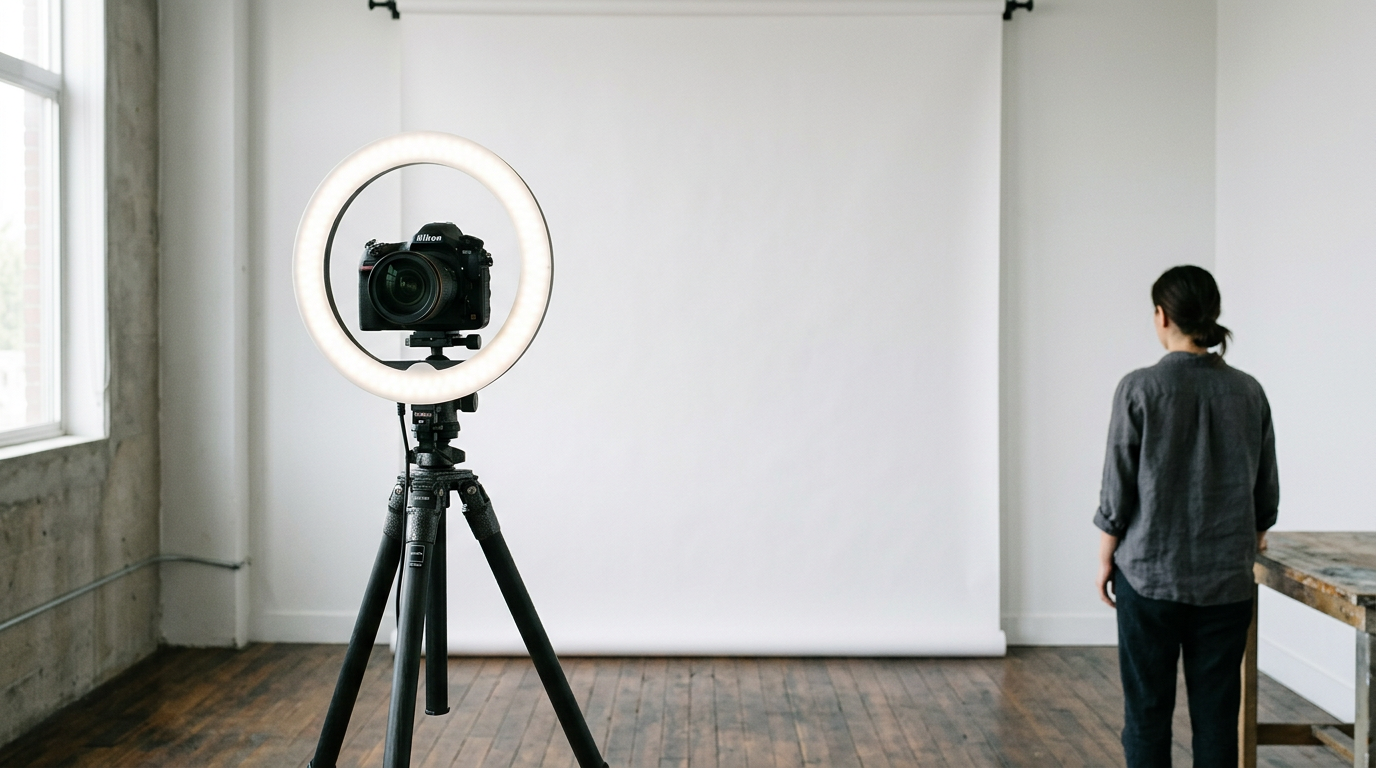
Operating physically out of Sunnybank, Queensland, the studio bypasses generalized software in favor of deep technical specialization. The baseline mechanism involves capturing and formatting images that comply with the strict guidelines of over 130 countries. The standard price for any passport or visa set is $15.00. To mitigate the risk of strict government guidelines, the studio offers a refund of double the paid amount if the produced photos are rejected by the post office. Receiving a digital image file (.jpeg) requires an additional charge of $5.
High Precision Comes with Geographic Constraints
The dedication to compliance checking comes at the cost of national scalability. The single physical location heavily restricts accessibility to local residents. If I needed highly specific visa dimensions for multiple distinct global territories simultaneously, this is the environment I would choose to ensure absolute compliance. What would prompt me to skip this operator is living outside of Queensland, as the localized footprint eliminates it as a viable option for most of the country.
Travelers located in the immediate geographic area who require obscure international dimensions should prioritize this highly specialized operator.
Pros * Provides a double refund guarantee in the event of an official rejection * Maintains a highly competitive $15.00 base price for physical prints * Supports the complex documentation frameworks of 130+ nations
Cons * Restricted entirely to one physical studio location in Queensland * Requires a $5 surcharge to obtain the digital image file * Demands a dedicated trip solely for photography
4. Kmart Australia
Applicants often assume any physical retail printer can automatically generate a compliant identification document. Kmart Australia is a self-service department store network offering unassisted photo printing hardware. Falling squarely into the Self-Service Print category, this option acts strictly as an output mechanism rather than a photography studio.
The operational reality here is entirely hardware-driven. Physical store locations do not offer in-store photographers to capture your image. Instead, users must transfer their own digital files directly to a Kodak kiosk from a mobile device using Direct Transfer or Wi-Fi. Printing a pre-prepared 4x6 inch (10x15 cm) template with next-day pickup costs $0.10, while instant printing is priced at $0.20.
Ultra-Low Cost Requires Independent Formatting
This method offers zero compliance checks. The kiosk will blindly print whatever file you transmit to it. If the lighting is uneven, the background is off-white, or the head-to-crown ratio is incorrectly cropped, you will instantly fail the physical passport photo check at the submission counter. I would skip this entirely unless I had already used external software to strip the background and format the dimensions to strict government specifications.
Technical users who have already finalized their compliant passport size photo preparation at home can leverage these kiosks for nearly costless physical output.
Pros * Represents the absolute lowest cost for physical image printing * Allows instant direct file transfers via mobile Wi-Fi connections * Provides immediate print generation within the retail environment
Cons * Offers absolutely zero compliance checking or formatting assistance * Lacks dedicated in-store photographers to capture the image * Demands the user perfectly prepare a 4x6 inch output template beforehand
5. Ted's Cameras
Does visiting a dedicated photography retailer yield better outputs for strict government documents? For travelers requiring large volumes of physical backups, this camera retailer delivers on-the-spot printing using professional optics. As a Full-Service Retail provider, it leverages its core competency in imaging hardware to fulfill documentation needs.
The mechanism focuses on delivering a high volume of physical collateral in a single session. The stores charge $19.95 for their in-store on-the-spot capture service. This package provides eight printed images per set, with two of those images pre-cut for immediate application use. Like many physical retailers, providing the actual source file is treated as a secondary service, requiring an additional fee to secure the digital copy of the headshot.
Practical rule: Never assume a physical print package includes the digital file; always verify the add-on fees before sitting for the camera.
Specialized Optics Yield a High Print Volume
The high volume of physical prints is excellent for complex visa applications that demand three or four separate hard copies. However, the final passport photo fee scales upward rapidly if you intend to submit your paperwork via a government web portal. What would push me toward a different provider is a strictly digital application process, as the add-on fees for jpeg delivery reduce the overall financial efficiency of the package.
Applicants navigating redundant Australian submission methods that mandate multiple physical copies should utilize this volume-heavy package.
Pros * Delivers a substantial eight physical printed images per session * Pre-cuts two images to save manual trimming time during application * Utilizes high-quality dedicated in-store photographic hardware
Cons * Digital file delivery triggers an additional supplementary charge * Features a relatively high base price compared to budget alternatives * Requires locating a specific specialized camera retail storefront
Selecting the Right Fulfillment Method
Matching the correct provider to your specific documentation needs requires looking at the actual constraints of your application. The differences in cost directly reflect the level of automation and human intervention involved in the process.
If your primary hurdle is ensuring absolute dimensional accuracy across obscure international borders, lean heavily into the Specialist ID Studio category. These environments remove the risk of postal rejection by dedicating their entire workflow to international biometric standards, making them highly effective for non-standard visas.
When immediate convenience and broad accessibility dictate your schedule, the Full-Service Retail category provides the most reliable fallback. These networks leverage integrated biometric software to verify standard constraints rapidly, though they struggle with the nuance required for infants and complex mobility needs.
For users comfortable with digital image manipulation, the Self-Service Print category offers the steepest discount. You strip away all labor and software costs, paying only for the physical paper, provided you fully control the formatting before arriving at the kiosk.