What a Passport Photo Page Needs: 2026 Standards Explained
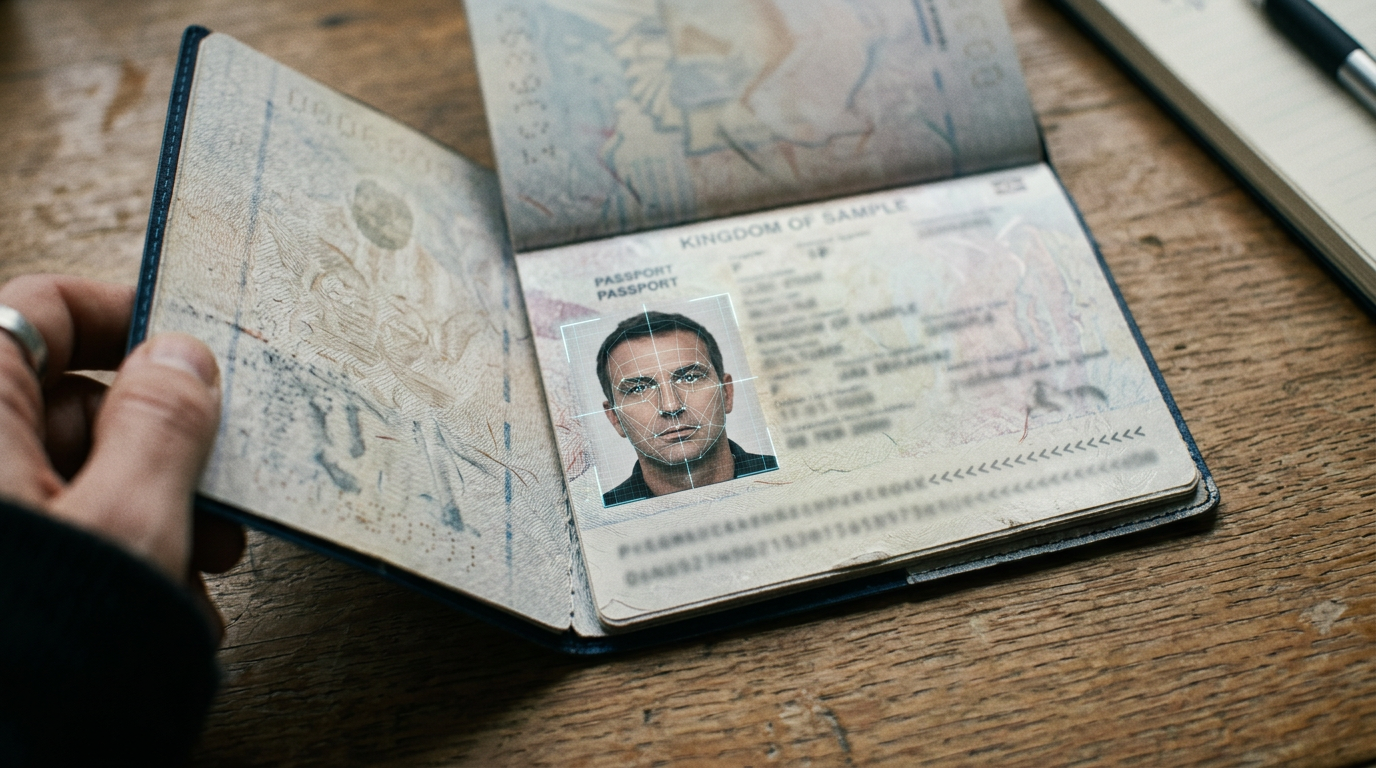
A biometric error at a border control gate does not politely ask you to step aside; it halts the line and sends you to secondary processing. The document you hand over at that desk hinges on the passport photo page, and the standards governing that page have hardened significantly. What was once a simple portrait is now a high-resolution biometric map.
Quick Summary
The passport photo page is the critical biometric identifier in a travel document, integrating a machine-readable image that meets strict international standards for facial recognition. Modern border systems rely on this data to verify identity automatically.
- Biometric baseline: Photos must capture precise facial geometry, requiring specific framing and lighting.
- Strict formatting: Backgrounds, shadows, and expressions are rigidly controlled to prevent software misreads.
- Global variation: While ICAO sets the baseline, individual nations enforce distinct size and color requirements.
- Zero tolerance: Even minor deviations in contrast or head positioning lead to application rejection.
Table of Contents
- The Biometric Function of the Passport Photo Page
- Why the Rules Exist: Machine-Readable Travel Documents
- Common Failure Modes in Photographic Compliance
- The Impact of Infant Specific Requirements
- Navigating Global Standard Variations
- Recommended Reads
The Biometric Function of the Passport Photo Page
The image on a passport is not primarily for the human officer looking at it. It is captured, digitized, and analyzed by algorithms measuring the distances between eyes, the shape of cheekbones, and the contour of the jaw. This is why the rules dictate a neutral expression: a smile alters the geometry of the face, shifting the data points the software expects to find.
When a passport photo fails this biometric test, the gate will not open. The photograph must present the subject clearly, free from shadows that might simulate different facial structures, and without reflections that obscure vital features. The Navigating Passport Renewal Photo Standards in 2026 guide illustrates how even slight variations can complicate a renewal process.
Why the Rules Exist: Machine-Readable Travel Documents
The International Civil Aviation Organization (ICAO) establishes the technical specifications for machine-readable travel documents. These standards ensure interoperability across different border systems worldwide. The photograph is a core component, designed to be scanned and compared against a live image at the border or stored in a central database.
Practical rule: Treat the photograph as a data submission rather than a portrait; prioritize clear, unobstructed facial features over aesthetic preferences.
Lighting must be uniform to prevent the algorithm from interpreting a shadow as a physical feature. The background must contrast sufficiently with the subject to allow the software to isolate the face easily. When these parameters are not met, the automated system flags the passport photo for manual review, causing delays.
Common Failure Modes in Photographic Compliance
Rejections usually stem from measurable errors rather than subjective judgments. Three specific issues account for the majority of failed applications.
Incorrect Head Proportion
Most guidelines require the head to occupy a specific percentage of the total image area. If the subject is too close to the camera, the top of the head or the chin may be cut off; if too far, the facial details lack the necessary resolution for biometric analysis. Understanding Passport Size Photo Dimensions in 2026: How to Meet Standard Requirements and Avoid Rejection helps prevent this fundamental framing error.
Improper Lighting and Shadows
Flash photography often creates red-eye or harsh shadows behind the subject or across the face. Natural, diffused lighting is generally preferred, but it must be bright enough to eliminate shadows that might alter the perceived structure of the jaw or nose.
Background Interference
A background that is too dark, textured, or patterned confuses the software attempting to crop the face. The background must be plain, usually white or light grey, and free of objects or other people. For a breakdown of how to prepare the image correctly, refer to How to Get the Correct Passport Size Photo in 2026: Official Guidelines and Standards.
The Impact of Infant Specific Requirements
Photographing an infant presents distinct challenges, yet the biometric requirement remains. Infants cannot hold a neutral expression or support their heads independently, which complicates the framing and positioning rules.
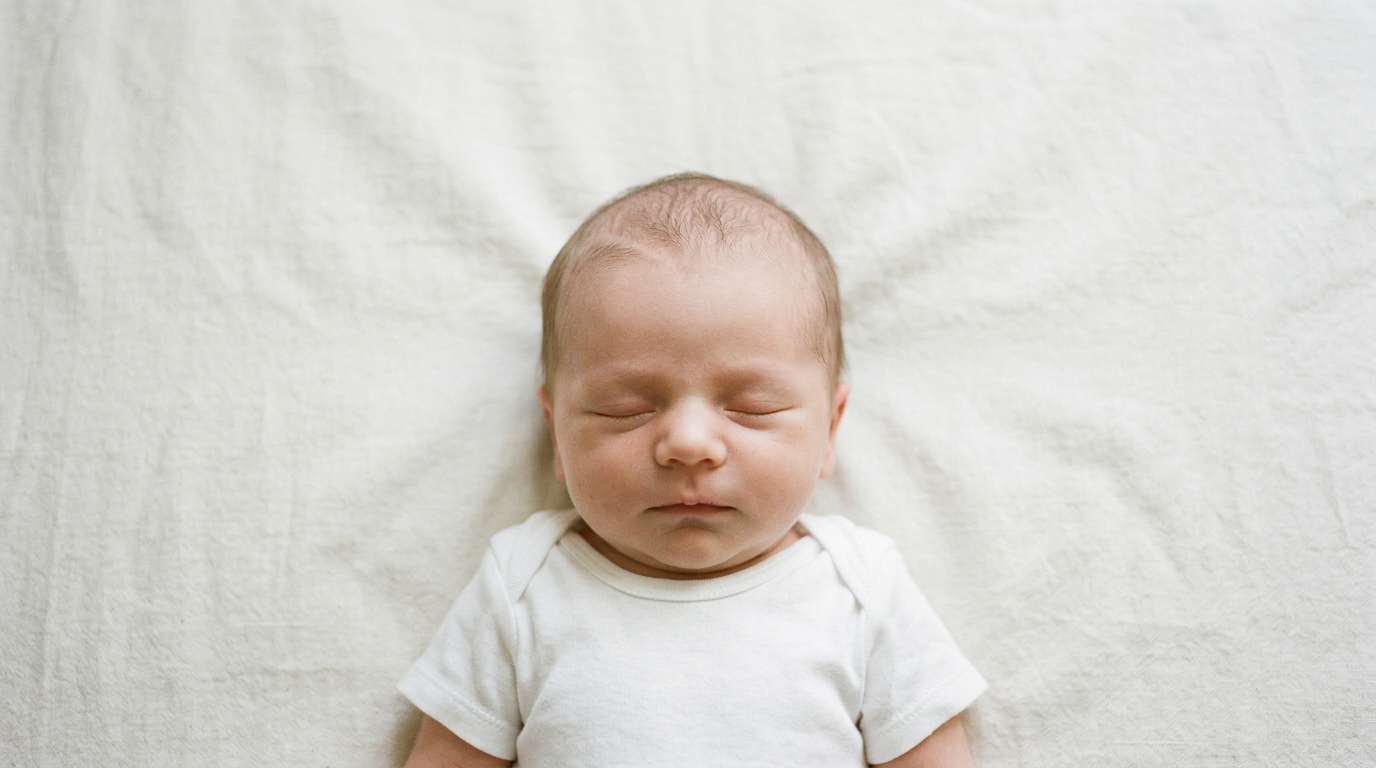
Parents must often lay the child on a plain white sheet, ensuring no hands, pacifiers, or toys are visible in the frame. The child's eyes must be open, which can require significant patience. The 10 Best Ways to Get Your Newborn Passport Photo Taken outlines strategies for capturing an acceptable image without violating the strict background and interference rules.
Navigating Global Standard Variations
While ICAO sets the baseline, individual countries mandate distinct dimensions and background colors. A photo perfectly formatted for one nation will likely be rejected by another.
For example, the US requires a 2x2 inch (51x51 mm) image, while the UK standard is 35x45 mm. Background requirements also vary; some demand pure white, while others specify light grey or cream. Before submitting an application, verifying the exact specifications for the destination country is essential, as detailed in Global Passport Size Photo Requirements: 7 Regional Specifications for 2026. Failing to match these localized dimensions is a primary reason for processing delays.