What to Wear for Passport Photos: A 6-Step Compliance Guide for 2026
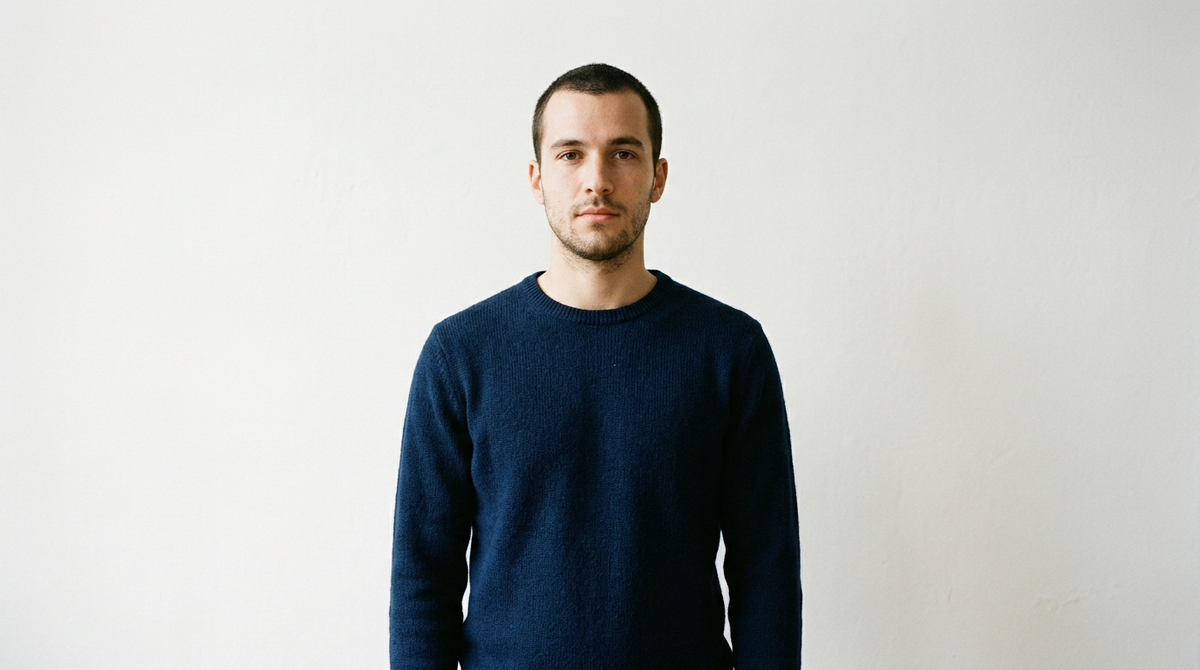
A common misconception about official travel documentation is that application rejections stem entirely from poor camera quality or incorrect lighting setups. In reality, the automated biometric systems that governments use to process applications rely on distinct boundary lines to map a face. When an applicant's clothing blends into the background, the system registers a failure to detect the subject's dimensions. When deciding what to wear for passport photos, applicants must take a deliberate approach to contrast, neckline placement, and grooming. A high-resolution camera cannot compensate for a white shirt worn against a required white background, just as a perfectly lit studio setup cannot penetrate a pair of optical frames casting micro-shadows across the orbital bones. This guide breaks down the physical mechanics of biometric compliance, detailing exactly how clothing, hair, and posture interact with scanning software, and what practitioners must do to secure a first-time acceptance.
Quick Summary
Government biometric scanners evaluate an applicant's face by measuring the distances between specific physical landmarks against a stark background. Failing to dress or groom appropriately disrupts these measurements, triggering automatic rejections regardless of how clear the photograph appears.
- High-contrast clothing ensures the scanning software can detect shoulder width and orient the head.
- High or collared necklines prevent the cropping algorithm from creating an illusion of nudity.
- Removing glasses completely eliminates reflective flash glare over the pupils.
- Pulling hair tightly back exposes the critical cheekbone and jawline measurements.
- Maintaining a neutral expression prevents facial muscles from altering the baseline geometry of the jaw and eyes.
Table of Contents
- 1. Planning What to Wear for Passport Photos: The Contrast Rule
- 2. Necklines Dictate the Final Image Crop
- 3. Glasses and Headwear Mask Facial Topography
- 4. Hair Positioning Disrupts Facial Edge Detection
- 5. Skin Finishes Alter Flash Distribution
- 6. Expressions Shift Jawline and Eye Measurements
- Common Pitfalls & Troubleshooting
- FAQ
- Recommended Reads
1. Planning What to Wear for Passport Photos: The Contrast Rule
How Background Interference Triggers Software Rejections
Biometric standards require scanning software to isolate the human subject from the studio background before it begins mapping facial features. The algorithm looks for the outermost edges of the subject's shoulders to establish a bounding box. If you wear a plain white, light grey, or pale cream shirt against the universally required white or off-white background, the contrast ratio between the fabric and the wall drops below the detection threshold. The algorithm loses the shoulder line and returns a background interference error. This is why reviewing a compliant passport photo example always shows a distinct, sharp boundary between the subject's clothing and the backdrop.
Applicants must wear solid, dark colors to force the camera sensor to separate the subject from the background. Navy blue, black, deep green, and charcoal grey provide the necessary contrast to satisfy automated checks. Furthermore, dense geometric patterns like tight checks or houndstooth can cause a moire effect - a visual distortion that creates false wavy lines when printed at high resolutions - confusing the scanner. When reviewing guidelines for official compliance on what to wear for passport photos, the rule of thumb is straightforward: hang your chosen shirt against a white door. If you cannot clearly identify the edges of the sleeves from ten feet away, choose a darker garment before sitting for the camera.
2. Necklines Dictate the Final Image Crop
The Floating Head Illusion in Standard Dimensions
The physical dimensions required for travel documents dictate exactly how the final image is framed. A standard US 2x2 inch photograph, or a 35x45 mm print used across Europe and Australia, requires a tight crop that typically rests just below the collarbone. When an applicant wears a deep V-neck, a wide boatneck, or a strapless top, the final crop captures only bare skin beneath the chin. Border control personnel actively screen for anomalies, and an image that creates the illusion of nudity often causes secondary questioning at immigration checkpoints.
Beyond the human element, some biometric processing systems look for a distinct neckline to orient the bottom edge of the face mask. A high collar, a crew neck, or a turtleneck provides a solid, unmistakable anchor point for the cropping algorithm. This logic scales across different regional requirements, including specific Chinese passport photo size and compliance requirements, where head height proportions dictate an even tighter frame. Practitioners should check their neckline in a mirror: place your hands flat horizontally across your collarbones. If you cannot see the fabric of your shirt above your hands, the neckline is too low for a compliant crop.
3. Glasses and Headwear Mask Facial Topography
Why Anti-Reflective Coatings Fail Under Flash
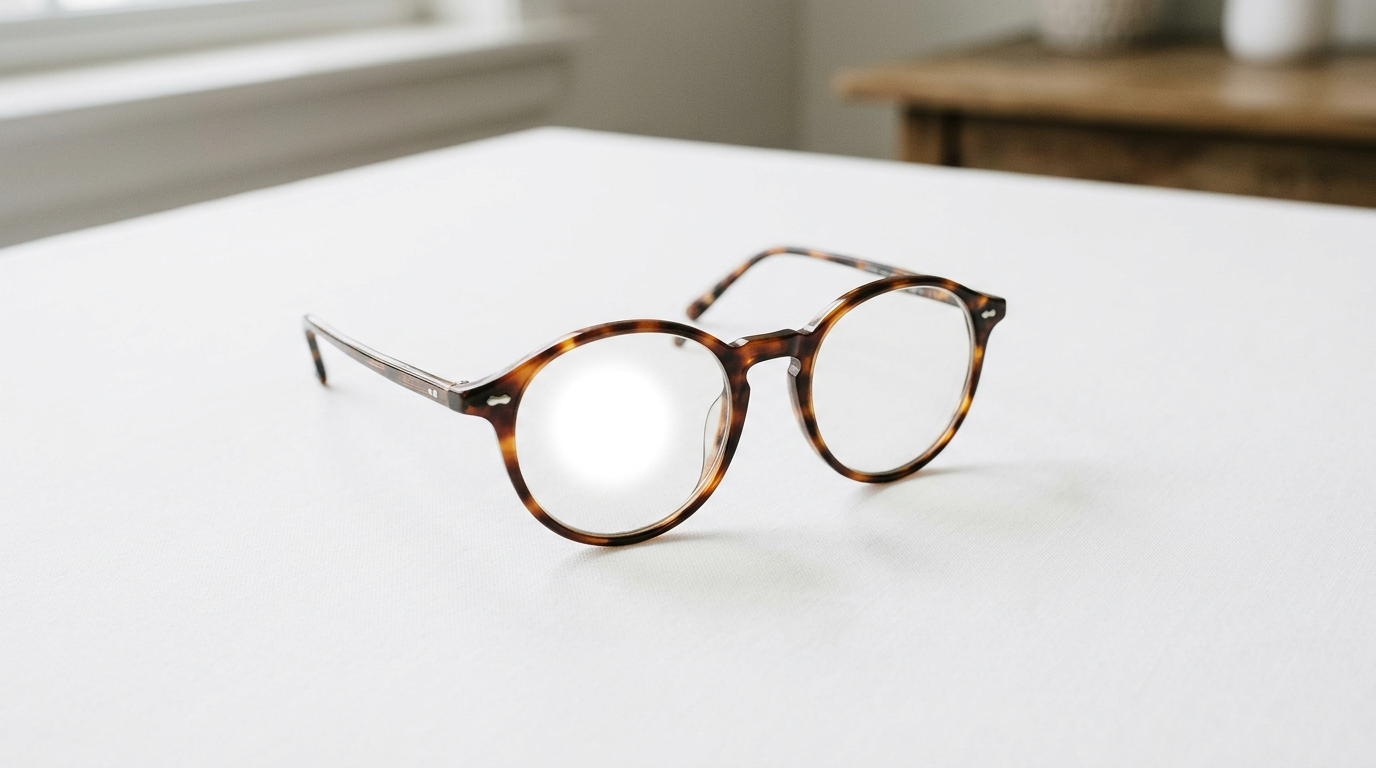
Almost all major issuing authorities have strictly banned prescription glasses in official documentation. The mechanism behind this ban involves the specific way optical lenses interact with direct light. Even high-end anti-reflective coatings reflect a specific spectrum of light back into the camera lens, creating microscopic white hotspots that completely obliterate the biometric data of the iris and pupil. Furthermore, the frames themselves cast distinct shadows across the orbital bones and temples, which disrupts the depth map generated by facial recognition software.
The rule extends to all non-religious headwear, including large hairbands, bows, and pacifiers for infants. If you analyze a passport photo example to ensure government acceptance, you will often notice that rejected images feature a faint shadow. A frame resting just under the eyebrow causes this. The fix is absolute. Remove all optical frames before sitting for the picture. If you rely on glasses to focus on the camera lens, ask a second person to operate the camera or use an audio cue timer. This ensures your eyes remain clearly visible to the sensor without any physical obstruction.
4. Hair Positioning Disrupts Facial Edge Detection
The Requirement for Visible Cheekbones and Jawlines
Facial recognition algorithms require an unobstructed view of the entire facial outline to calculate the distance between the ear, the edge of the jaw, and the tip of the chin. Hair that falls forward over the cheeks or hangs heavily across the forehead breaks this continuous line. While some regions do not explicitly mandate that the ears be fully visible, covering the outer edges of the cheekbones almost guarantees a rejection. Thick bangs that touch the top of the eyebrows obscure the supraorbital ridge, another critical measurement point that defines the upper boundary of the eye socket.
The subject must secure their hair tightly away from the face using flat bobby pins or a hair tie. Avoid simply tucking the hair behind the ears, as gravity and slight head movements often cause the strands to fall forward exactly as the camera fires.
Practical rule: If you can feel the ends of your hair touching the outer corners of your eyes or brushing your eyebrows, pin the hair back before the camera clicks.
5. Skin Finishes Alter Flash Distribution
Reflective Surfaces and Geometric Distortion
The interaction between cosmetics and heavy flash photography frequently alters the perceived geometry of a face. Highlighting powders and dewy foundation formulations contain mica and other reflective minerals. When the flash strikes these minerals, it creates intense highlights on the tip of the nose, the upper cheekbones, and the forehead. The processing software interprets these bright spots as physical protrusions, altering the calculated shape of the face. Similarly, heavy contouring creates artificial shadows that shift the perceived location of the jawline and cheek hollows.
Physical sunscreens containing zinc oxide or titanium dioxide present a different failure mode, causing a severe white cast under flash that washes out the natural skin tone entirely. To ensure the passport picture passes software review, applicants must apply matte cosmetics that exactly match their natural skin tone and avoid all reflective finishes. Wash the face to remove excess oil immediately before the session, and apply a translucent matte powder to the forehead and nose to neutralize any natural skin glare.
6. Expressions Shift Jawline and Eye Measurements
The Mechanics of Muscle Contraction Under Scanning
The demand for a neutral facial expression is grounded entirely in the physics of facial muscles. When a human smiles, the zygomatic major muscles pull the corners of the mouth upward and outward, physically widening the jawline measurement. Simultaneously, the cheeks push upward, causing the palpebral fissures - the anatomical openings of the eyes - to narrow. This completely alters the baseline geometry of the face, rendering the image useless for automated comparison against future photographs at border checkpoints.
Whether following basic guidelines or strict Indian passport photo requirements for step-by-step compliance, a compliant expression requires the mouth to be fully closed, the lips relaxed but touching, and both eyes open with the irises clearly visible. The subject must stare directly down the barrel of the camera lens, ensuring the head does not tilt upward or downward. To test this before capturing the final shot, relax your jaw completely, take a deep breath in through your nose, and let your lips touch naturally without clenching your teeth. This posture resets the facial muscles to their true anatomical baseline.
Common Pitfalls & Troubleshooting
Failing a biometric check often looks identical from the outside - the applicant simply receives a vague notice stating the photo was rejected. Diagnosing the exact cause requires examining the specific visual artifacts left by poor preparation.
The Floating Subject Anomaly
- Symptom: The printed image shows only the neck and face, with the shoulders blending entirely into the white backdrop.
- Diagnosis: The applicant wore a white or pale cream shirt that lacked the required contrast against the studio background. The algorithm failed to find the shoulder edge.
- Fix: Reshoot the passport image wearing a solid navy, black, or dark grey collared shirt to establish a harsh visible boundary for the cropping algorithm.
Orbital Shadowing Rejection
- Symptom: The area directly beneath the eyebrows appears significantly darker than the cheeks, obscuring the pupil.
- Diagnosis: Heavy bangs or an exaggerated downward head tilt created a physical shadow over the eyes. This is the most frequent cause of rejection for applicants with styled fringes.
- Fix: Pin the bangs back firmly with flat clips so the entire eyebrow is exposed, and raise the chin slightly until it is parallel to the floor before firing the shutter.
Flashback Topography Distortion
- Symptom: The tip of the nose and the center of the forehead appear bright white, while the rest of the face is properly exposed.
- Diagnosis: Oil on the skin or mineral-heavy makeup bounced the camera flash directly back into the lens, blowing out the highlights and creating false facial geometry.
- Fix: Blot the face with an oil-absorbing sheet or apply a heavy layer of translucent matte powder across the T-zone immediately before triggering the flash.
Asymmetrical Eye Line Measurement
- Symptom: One eye appears narrower than the other, or the software flags the head as tilted despite the subject facing forward.
- Diagnosis: The applicant held a half-smile or smirk, contracting the muscles on only one side of the face and shifting the cheekbone upward.
- Fix: Instruct the subject to part their lips slightly, relax the jaw entirely, and then close only the lips without clenching the teeth, resetting the facial muscles to a symmetrical baseline.
FAQ
Can I wear jewelry in my passport photo?
Small, unobtrusive jewelry like flat stud earrings or thin metallic necklaces is generally permitted, provided it does not cast a shadow on the face or neck. Large, reflective pieces, sweeping chandelier earrings, or facial piercings that obscure the edge of the cheekbone will cause the biometric software to reject the image due to edge detection failure. Always remove bulky jewelry before the session.
Do babies have to follow the same clothing and expression rules?
Automated systems make slight allowances for infants, particularly regarding the neutral expression rule. A newborn may have their mouth slightly open without triggering a failure, but the core requirements for attire remain identical. The baby must wear high-contrast clothing - avoid white onesies against a white sheet - and parents must remove all pacifiers, headbands, and bibs before taking the shot. Parents exploring the best ways to get your newborn passport photo taken will find that laying the child on a plain background is the most reliable method.
Is it acceptable to wear a uniform for an official document?
No. Almost all issuing authorities explicitly forbid the wearing of military, law enforcement, or flight crew uniforms in official travel documentation. Applicants must wear plain, everyday civilian clothing. The only exception is religious attire worn continuously in public, provided it does not cover the hairline or cast shadows on the face.
How do I stop my glasses from glaring if I must wear them?
You cannot stop the glare, and the overwhelming majority of nations now strictly forbid glasses entirely. Even if your issuing authority permits them in rare, medically documented circumstances, you must angle the lighting perfectly to avoid casting a shadow from the frames onto your cheeks. For standard applications, always remove your glasses entirely.
Can I wear a turtleneck to hide my neck?
Yes. A turtleneck is highly recommended because it provides a stark, high-contrast boundary line just below the chin. This makes it exceptionally easy for the cropping algorithm to map the bottom edge of the face, completely eliminating the risk of the floating head illusion caused by low necklines.